
In August, 9 PPAs were signed in Europe totalling 437 MW, with Spain taking the lead (181.7 MW). Solar PV accounted for 54% of total capacity, while corporate deals rose to 58% of the volume.



In August, 9 PPAs were signed in Europe totalling 437 MW, with Spain taking the lead (181.7 MW). Solar PV accounted for 54% of total capacity, while corporate deals rose to 58% of the volume.
This month, 19 resolutions were published in the BOE for solar-wind hybridisation and storage projects. In addition, 115 MW of wind capacity were rejected, corresponding to Repsol and Aspiravi.
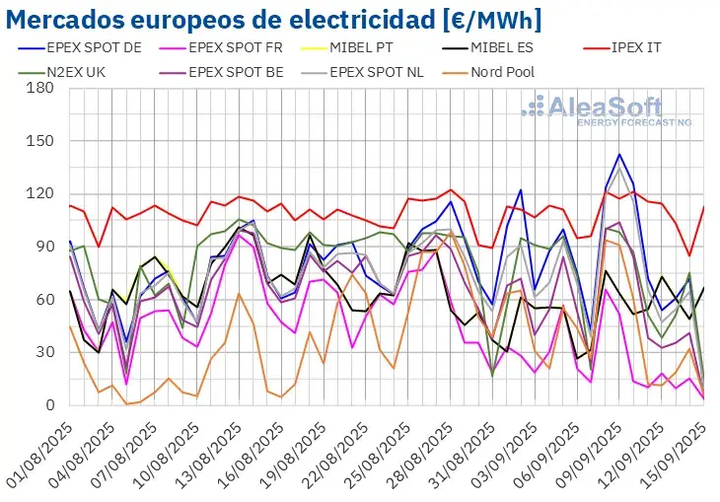
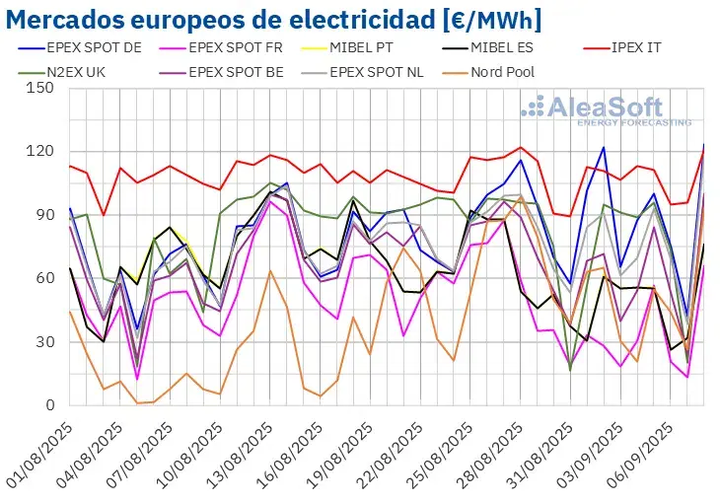
In the second week of September, prices in most of the main European electricity markets rose, although the weekly average remained below €75/MWh. Several exceeded €100/MWh on some days, with Germany leading the way by reaching its highest daily price since February on September 9, at €142.45/MWh.
The public hearing begins on the draft royal decree regulating investment plans for electricity networks.
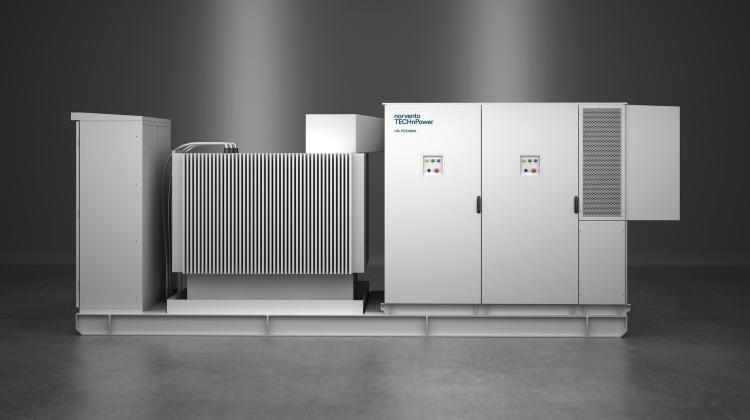
The nXL family delivers up to 9 MVA in 20 feet, with a record 622 kVA/m³ and a sealed IP65 design. The company already has initial manufacturing commitments supported by the Innovation Fund (€27.5 million).
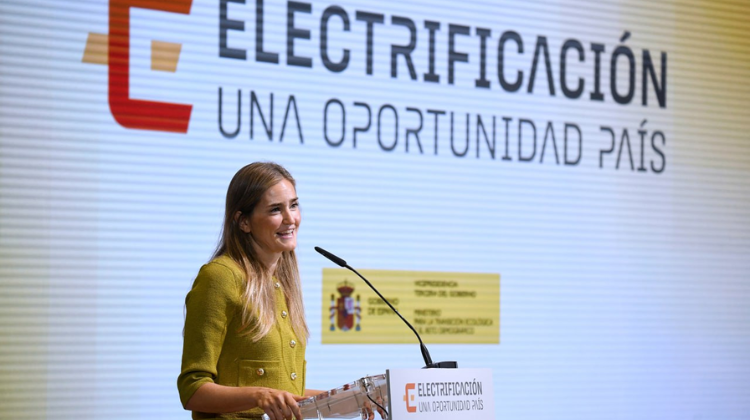
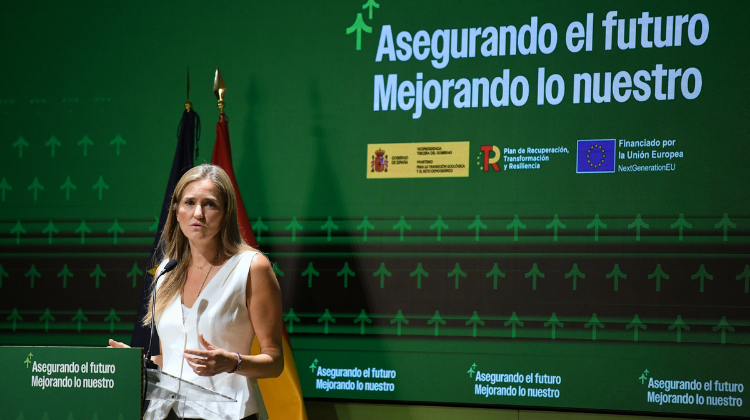
Sara Aagesen chaired the presentation of the results of the PRTR (Plan for Investment in the Ecological Transition), held at the Madrid College of Architects. The ministry recognizes 39 exemplary initiatives in the implementation of the Recovery, Transformation and Resilience Plan.
Grid saturation is leaving no capacity for new industries and electrification projects, hindering stand‑alone batteries and putting downward pressure on PPAs. Experts are calling for urgent measures to enable flexible connections and accelerate investment in networks.
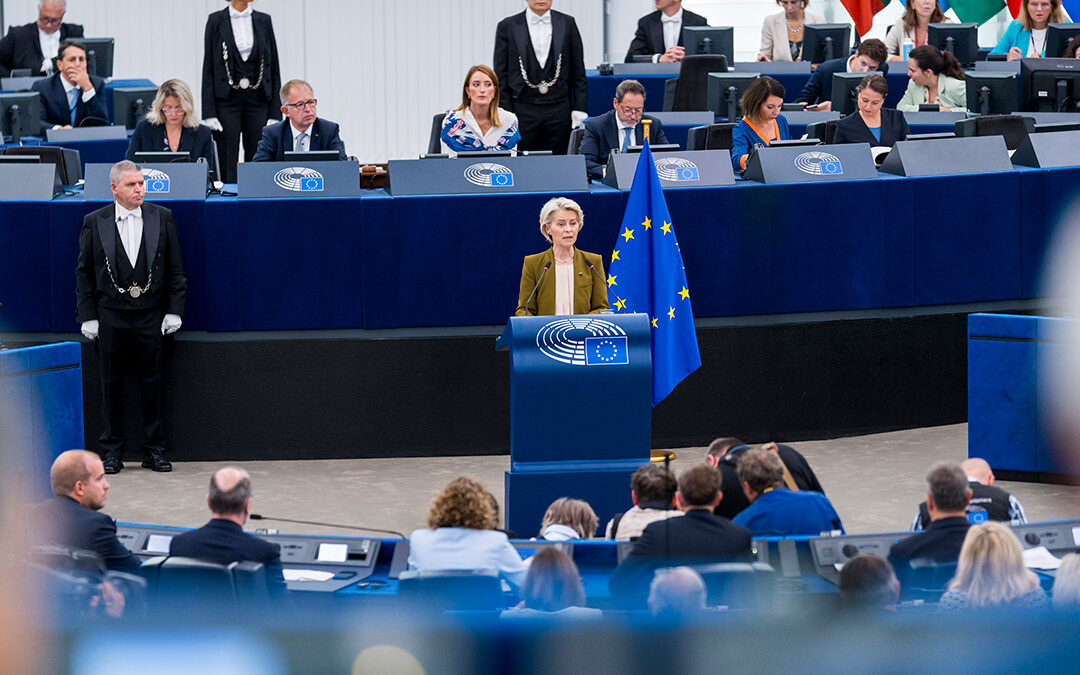
In her 2025 State of the Union address EU Commission President Ursula von der Leyen highlighted the new geopolitical reality in which economic competition and national security are intertwined. She stressed the need for Europe to massively invest in digital and clean technologies to ensure the future continues to be made in Europe.
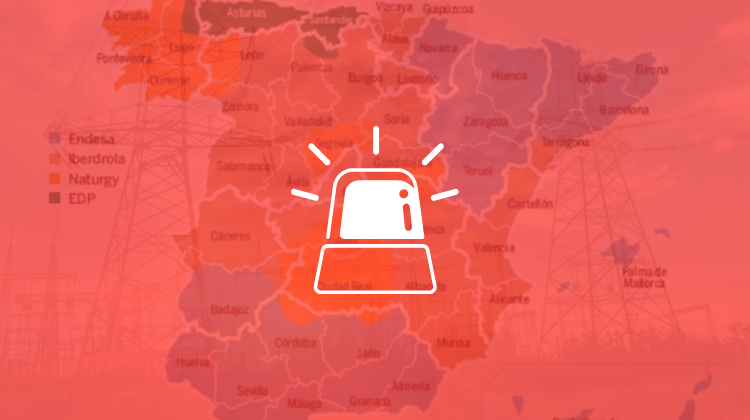
The publication of firm demand capacity maps confirms that 83.4% of nodes are saturated and shows 0 MW available in key substations, constraining new industry, renewables and green hydrogen. The sector is calling for flexible connections and investment in networks with clear rules from CNMC and MITECO.
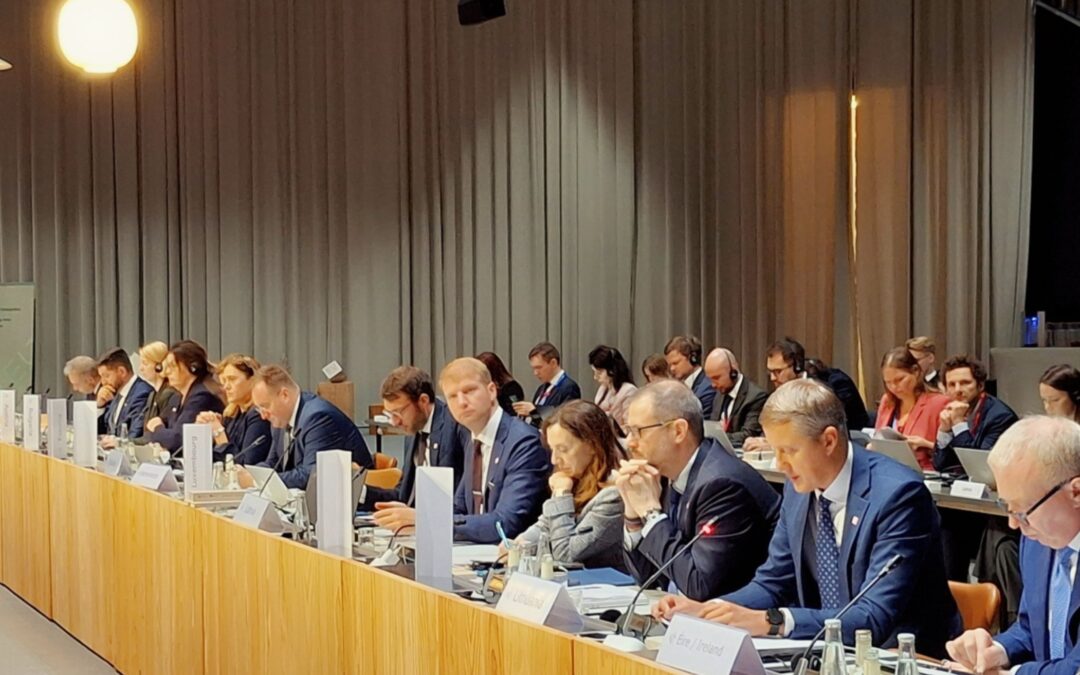
The informal ministerial meeting discussed the future of Europe’s energy architecture beyond 2030, as well as digitisation, clean technologies, and energy infrastructure issues.
The Government has postponed the bidding process until October 6–7, 2025, to give potential participants more time to prepare and ensure stronger competition at competitive prices.
Methane accounts for 18.62% of net emissions in Spain and is 84 times more potent than CO2 over 20 years. Environmental groups and experts are calling for an intersectoral plan to boost renewables and curb dependence on gas.
In the first week of September, the weekly prices of the main European electricity markets fell compared to the previous week, with most falling below €75/MWh. On some days, most markets registered daily prices below €30/MWh, although Italy and Germany reached over €100/MWh.
The MITECO is processing seven renewable projects from Iberdrola, Boreas Energy, Naturgy, Siemens Gamesa and Sistemas Energéticos, involving hybridisation, batteries and repowering in Cáceres, Burgos, Aragón, Navarra, Ciudad Real and Zaragoza.
New data from ACER reveals that EU countries only made available 54% of transmission capacity on the most congested lines in 2024—well below the 70% regulatory threshold—resulting in €580 million in lost welfare and €4.3 billion in congestion management costs.
The MiCA framework paves the way for transferring principles of backing, traceability and trust to the energy sector. Jorge Viñuelas, Head of European Affairs at beBartlet, analyses how blockchain can drive the green transition.
The association released the latest wind energy data today. It shows Europe built 6.8 GW of new wind in the first half of 2025. That’s less than expected and not nearly enough to deliver the EU’s 2030 energy security and climate targets. Except for Germany, most countries in Europe are not doing enough to build more wind. That’s bad news for Europe’s economic competitiveness.
An official chart shows a sustained rise in technical curtailment since May. Experts warn that without grid reinforcements, storage and demand management, renewable projects will lose financial viability.
52.4% of our country’s electricity production in August was renewable, and 74.1% did not emit CO2 equivalent. Solar photovoltaic has covered a quarter of demand and is once again the top technology in the mix for the fourth consecutive month, with production 8.5% higher than in August 2024.
The financial markets reflect the boom in renewables in Spain: in 2025 more than 56% of electricity generation comes from these sources, with Solaria rising by 10% and drivers such as Acciona Energía and Iberdrola diversifying and modernising.
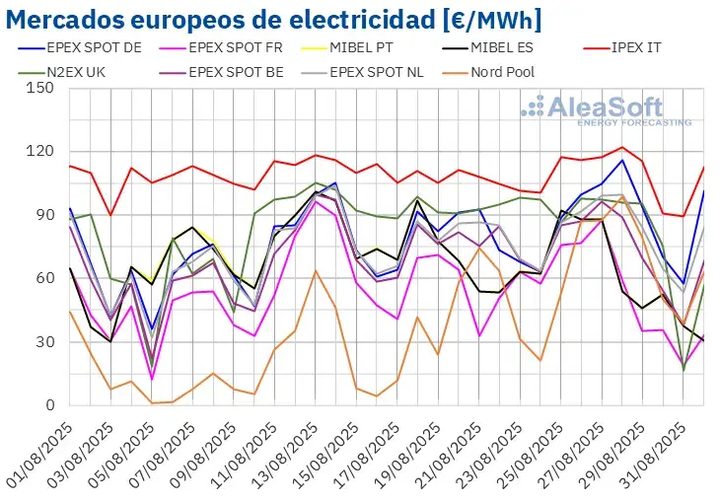
Wind growth in France and Iberia offset falling solar output in Germany and Italy, easing prices across most European markets below €85/MWh as demand rose and forecasts pointed to stronger renewable generation into September.
In August, 9 PPAs were signed in Europe totalling 437 MW, with Spain taking the lead (181.7 MW). Solar PV accounted for 54% of total capacity, while corporate deals rose to 58% of the volume.
This month, 19 resolutions were published in the BOE for solar-wind hybridisation and storage projects. In addition, 115 MW of wind capacity were rejected, corresponding to Repsol and Aspiravi.
In the second week of September, prices in most of the main European electricity markets rose, although the weekly average remained below €75/MWh. Several exceeded €100/MWh on some days, with Germany leading the way by reaching its highest daily price since February on September 9, at €142.45/MWh.
The public hearing begins on the draft royal decree regulating investment plans for electricity networks.
The nXL family delivers up to 9 MVA in 20 feet, with a record 622 kVA/m³ and a sealed IP65 design. The company already has initial manufacturing commitments supported by the Innovation Fund (€27.5 million).
Sara Aagesen chaired the presentation of the results of the PRTR (Plan for Investment in the Ecological Transition), held at the Madrid College of Architects. The ministry recognizes 39 exemplary initiatives in the implementation of the Recovery, Transformation and Resilience Plan.
Grid saturation is leaving no capacity for new industries and electrification projects, hindering stand‑alone batteries and putting downward pressure on PPAs. Experts are calling for urgent measures to enable flexible connections and accelerate investment in networks.
In her 2025 State of the Union address EU Commission President Ursula von der Leyen highlighted the new geopolitical reality in which economic competition and national security are intertwined. She stressed the need for Europe to massively invest in digital and clean technologies to ensure the future continues to be made in Europe.

The publication of firm demand capacity maps confirms that 83.4% of nodes are saturated and shows 0 MW available in key substations, constraining new industry, renewables and green hydrogen. The sector is calling for flexible connections and investment in networks with clear rules from CNMC and MITECO.
The informal ministerial meeting discussed the future of Europe’s energy architecture beyond 2030, as well as digitisation, clean technologies, and energy infrastructure issues.
The Government has postponed the bidding process until October 6–7, 2025, to give potential participants more time to prepare and ensure stronger competition at competitive prices.
Methane accounts for 18.62% of net emissions in Spain and is 84 times more potent than CO2 over 20 years. Environmental groups and experts are calling for an intersectoral plan to boost renewables and curb dependence on gas.
In the first week of September, the weekly prices of the main European electricity markets fell compared to the previous week, with most falling below €75/MWh. On some days, most markets registered daily prices below €30/MWh, although Italy and Germany reached over €100/MWh.
The MITECO is processing seven renewable projects from Iberdrola, Boreas Energy, Naturgy, Siemens Gamesa and Sistemas Energéticos, involving hybridisation, batteries and repowering in Cáceres, Burgos, Aragón, Navarra, Ciudad Real and Zaragoza.
New data from ACER reveals that EU countries only made available 54% of transmission capacity on the most congested lines in 2024—well below the 70% regulatory threshold—resulting in €580 million in lost welfare and €4.3 billion in congestion management costs.
The MiCA framework paves the way for transferring principles of backing, traceability and trust to the energy sector. Jorge Viñuelas, Head of European Affairs at beBartlet, analyses how blockchain can drive the green transition.
The association released the latest wind energy data today. It shows Europe built 6.8 GW of new wind in the first half of 2025. That’s less than expected and not nearly enough to deliver the EU’s 2030 energy security and climate targets. Except for Germany, most countries in Europe are not doing enough to build more wind. That’s bad news for Europe’s economic competitiveness.
An official chart shows a sustained rise in technical curtailment since May. Experts warn that without grid reinforcements, storage and demand management, renewable projects will lose financial viability.
52.4% of our country’s electricity production in August was renewable, and 74.1% did not emit CO2 equivalent. Solar photovoltaic has covered a quarter of demand and is once again the top technology in the mix for the fourth consecutive month, with production 8.5% higher than in August 2024.
The financial markets reflect the boom in renewables in Spain: in 2025 more than 56% of electricity generation comes from these sources, with Solaria rising by 10% and drivers such as Acciona Energía and Iberdrola diversifying and modernising.
Wind growth in France and Iberia offset falling solar output in Germany and Italy, easing prices across most European markets below €85/MWh as demand rose and forecasts pointed to stronger renewable generation into September.

Select the sector you
want to know more about
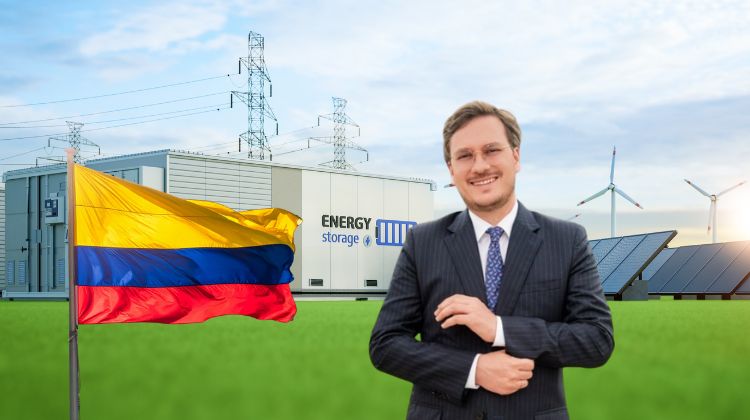
The inclusion of battery energy storage systems in Colombia’s upcoming long-term auction shifts the debate from technology to revenue structure, raising concerns over project finance viability and bankability under the current regulatory framework.
The new framework allows independent aggregators to combine demand, generation and storage to participate in electricity markets, strengthening demand-side response and supporting renewable energy integration in line with EU Directive 2019/944.
Energy consultants say the Federal Electricity Commission’s mixed contracts could accelerate project delivery and unlock investment in renewables and grid infrastructure, as electricity demand is set to rise 3–5% annually.