
The country formalises distributed generation with a regulation that strengthens technical standards, mandates digital traceability and guarantees full remuneration for renewable energy exports. Distribution utilities must comply within 30 days.
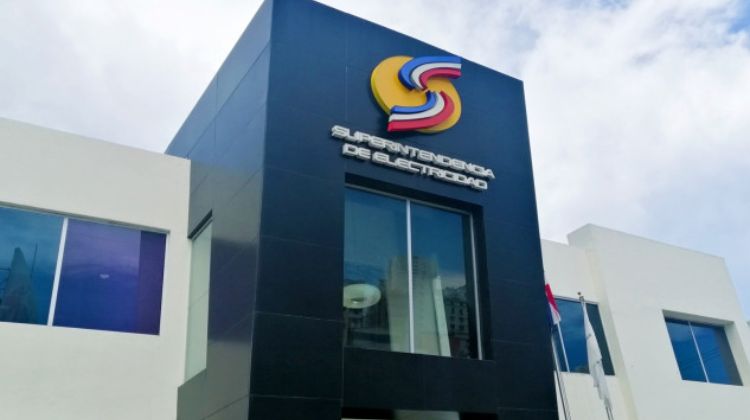


The country formalises distributed generation with a regulation that strengthens technical standards, mandates digital traceability and guarantees full remuneration for renewable energy exports. Distribution utilities must comply within 30 days.
The Spanish power system has earmarked 386 grid connection nodes for competitive access tenders and Just Transition zones, blocking more than 165 GW for new generation and energy storage projects. Catalonia, Andalusia and Castile and León lead in reserved capacity, while 1.7 GW has been allocated to self-consumption.
The government has unveiled its Electricity Transmission System Expansion Plan 2026–2050, which for the first time includes battery energy storage systems (BESS) as a grid-stabilisation solution. While the renewables sector welcomes the move, it warns that without retail market liberalisation and citizen participation, the energy transition will remain incomplete.
The country is finalising the regulatory framework for its first large-scale solar auction, aimed at meeting fast-growing power demand and opening a new renewable energy market for private investors.
Galicia, Andalusia and the Valencian Community are updating their legal frameworks to prioritise energy storage—particularly when hybridised with renewables—while awarding more than €44 million in public support.
The third edition of FES in Buenos Aires will take place over two full days, on 4–5 March, bringing together sector leaders to analyse new contractual frameworks, investment opportunities and the technological challenges shaping the future of Argentina’s power system.
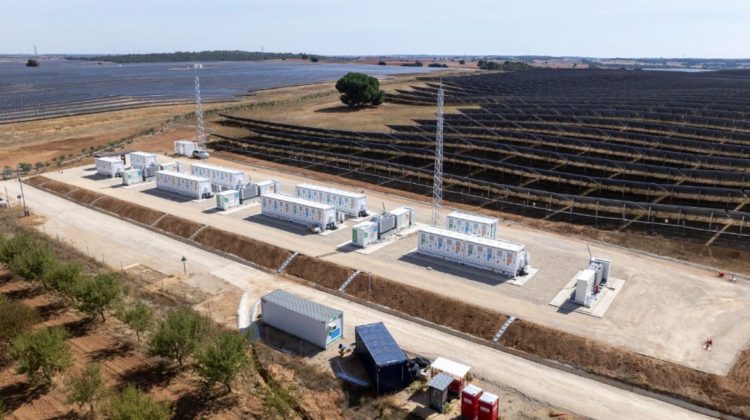
The two 60 MWh battery energy storage systems (BESS), located in Alarcón, central Spain, have been recognised as strategic projects under Spain’s PERTE programme for renewables, green hydrogen and energy storage.
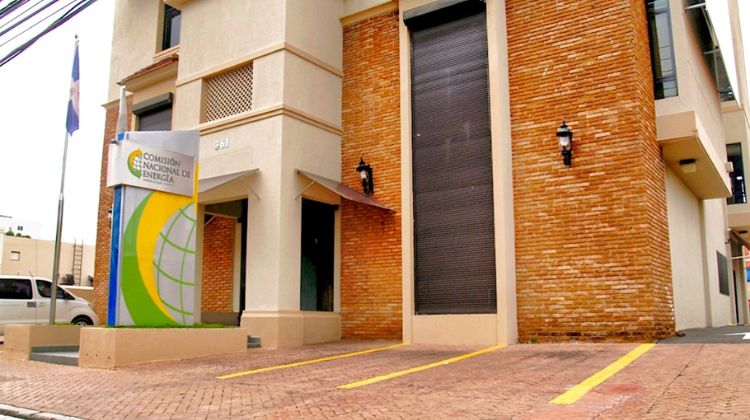
The National Energy Commission has opened a public consultation on new technical and administrative manuals that will reshape how renewable energy concessions are structured and approved, raising the bar for developers.
Engineering and Design (I&D) outlines why operational continuity, power quality and fault response are as important as energy costs in high-criticality industrial facilities.
With the backing of ETESA and the national regulator ASEP, Panama will roll out four power tenders between 2026 and 2028. The strategy prioritises renewable energy, thermal plant retrofits and nationwide supply under the National Energy Plan 2025–2050.

The Spanish engineering group is strengthening its leadership in Chile with one of the country’s largest solar projects under construction, more than 500 MW of renewable tenders incorporating battery energy storage systems (BESS), and a transmission and generation pipeline exceeding USD 800 million.
Industry, clean tech and large energy users call on the European Commission to establish a dedicated regulatory and investment framework to accelerate long-duration energy storage, seen as critical for energy security and renewable integration across the EU.
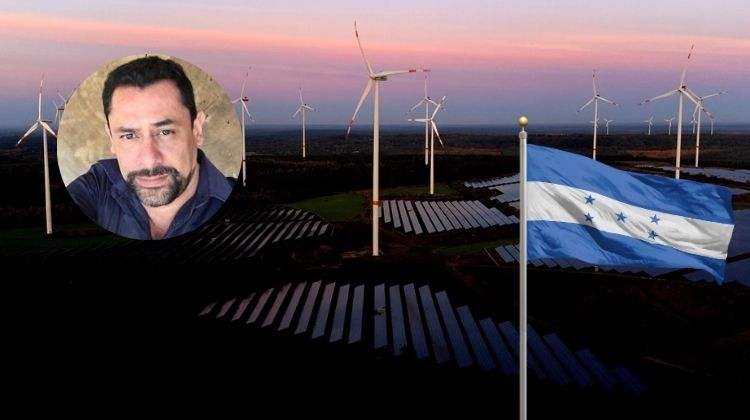
Honduras has surpassed 1 GW of operational installed capacity, with private capital playing a dominant role, particularly in hydropower. A 1.5 GW international tender is now drawing global interest and could reshape the country’s electricity market.
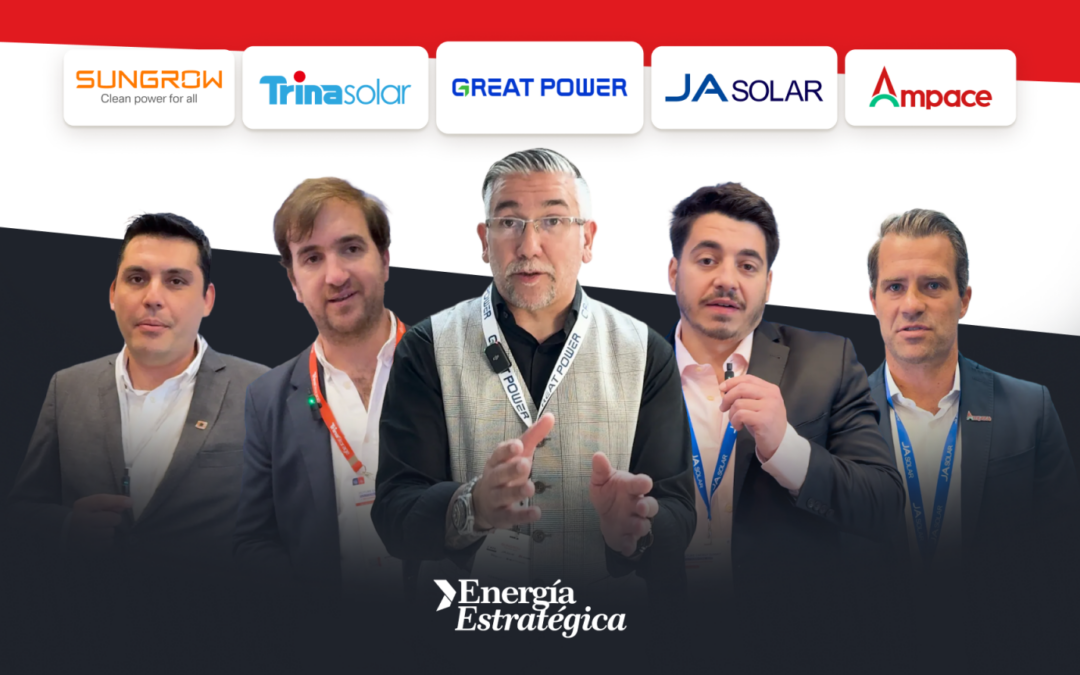
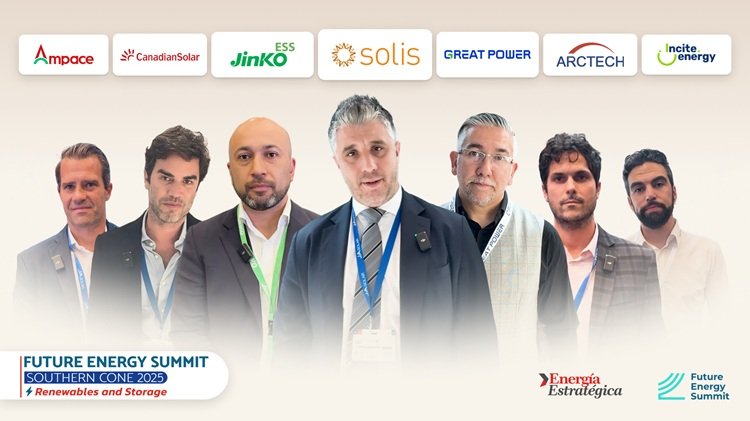
As Latin America accelerates the deployment of battery energy storage systems (BESS), executives from Trina Solar, Sungrow, JA Solar, Great Power and AMPACE analyse cost trends that are showing signs of stabilisation—while warning that key variables could still reshape the curve.
Spain’s national markets and competition regulator has approved permanent amendments to electricity operating procedures 3.1, 3.2 and 7.2, aimed at curbing abrupt voltage fluctuations and strengthening grid stability.
The Ministry of Mines and Energy has unveiled a draft resolution proposing a new 15-year contracting scheme, set to run alongside the 2026 reliability charge auction—raising both expectations and questions among market participants.

Environmental permitting has been launched for 12 battery storage projects totalling 485.9 MW, most of them hybridised with solar PV plants and concentrated in key renewable regions such as Extremadura, Castile and León and Andalusia.
After years of rapid renewable capacity growth, executives from Acciona Energía, ENGIE, Saeta Yield and FE Energy agree that Spain must now prioritise electricity demand growth and deliver clear regulatory frameworks for energy storage to sustain the energy transition.
Brazil, Chile and Argentina top the list of priority markets for renewable energy companies looking ahead to 2026. Meanwhile, Peru, Colombia, Mexico and Central America are gaining traction through new auctions, regulatory frameworks and investment incentives. Seven senior executives share a country-by-country view of how the region’s renewable energy opportunity map is being reshaped.
The long-term auction, backed by international technical support, is drawing strong interest from regional and global players and is seen as a turning point for Honduras’ power market amid regulatory reform and political transition.
Spain’s southern region introduces an express procedure for hybridised storage projects exempt from environmental assessment. With more than 800 MW under development and €354.5 million secured from EU funds, Andalusia aims to accelerate investment and strengthen its position as a renewable energy hub.
The country formalises distributed generation with a regulation that strengthens technical standards, mandates digital traceability and guarantees full remuneration for renewable energy exports. Distribution utilities must comply within 30 days.
The Spanish power system has earmarked 386 grid connection nodes for competitive access tenders and Just Transition zones, blocking more than 165 GW for new generation and energy storage projects. Catalonia, Andalusia and Castile and León lead in reserved capacity, while 1.7 GW has been allocated to self-consumption.
The government has unveiled its Electricity Transmission System Expansion Plan 2026–2050, which for the first time includes battery energy storage systems (BESS) as a grid-stabilisation solution. While the renewables sector welcomes the move, it warns that without retail market liberalisation and citizen participation, the energy transition will remain incomplete.
The country is finalising the regulatory framework for its first large-scale solar auction, aimed at meeting fast-growing power demand and opening a new renewable energy market for private investors.
Galicia, Andalusia and the Valencian Community are updating their legal frameworks to prioritise energy storage—particularly when hybridised with renewables—while awarding more than €44 million in public support.
The third edition of FES in Buenos Aires will take place over two full days, on 4–5 March, bringing together sector leaders to analyse new contractual frameworks, investment opportunities and the technological challenges shaping the future of Argentina’s power system.
The two 60 MWh battery energy storage systems (BESS), located in Alarcón, central Spain, have been recognised as strategic projects under Spain’s PERTE programme for renewables, green hydrogen and energy storage.
The National Energy Commission has opened a public consultation on new technical and administrative manuals that will reshape how renewable energy concessions are structured and approved, raising the bar for developers.
Engineering and Design (I&D) outlines why operational continuity, power quality and fault response are as important as energy costs in high-criticality industrial facilities.
With the backing of ETESA and the national regulator ASEP, Panama will roll out four power tenders between 2026 and 2028. The strategy prioritises renewable energy, thermal plant retrofits and nationwide supply under the National Energy Plan 2025–2050.

The Spanish engineering group is strengthening its leadership in Chile with one of the country’s largest solar projects under construction, more than 500 MW of renewable tenders incorporating battery energy storage systems (BESS), and a transmission and generation pipeline exceeding USD 800 million.
Industry, clean tech and large energy users call on the European Commission to establish a dedicated regulatory and investment framework to accelerate long-duration energy storage, seen as critical for energy security and renewable integration across the EU.
Honduras has surpassed 1 GW of operational installed capacity, with private capital playing a dominant role, particularly in hydropower. A 1.5 GW international tender is now drawing global interest and could reshape the country’s electricity market.
As Latin America accelerates the deployment of battery energy storage systems (BESS), executives from Trina Solar, Sungrow, JA Solar, Great Power and AMPACE analyse cost trends that are showing signs of stabilisation—while warning that key variables could still reshape the curve.
Spain’s national markets and competition regulator has approved permanent amendments to electricity operating procedures 3.1, 3.2 and 7.2, aimed at curbing abrupt voltage fluctuations and strengthening grid stability.
The Ministry of Mines and Energy has unveiled a draft resolution proposing a new 15-year contracting scheme, set to run alongside the 2026 reliability charge auction—raising both expectations and questions among market participants.

Environmental permitting has been launched for 12 battery storage projects totalling 485.9 MW, most of them hybridised with solar PV plants and concentrated in key renewable regions such as Extremadura, Castile and León and Andalusia.
After years of rapid renewable capacity growth, executives from Acciona Energía, ENGIE, Saeta Yield and FE Energy agree that Spain must now prioritise electricity demand growth and deliver clear regulatory frameworks for energy storage to sustain the energy transition.
Brazil, Chile and Argentina top the list of priority markets for renewable energy companies looking ahead to 2026. Meanwhile, Peru, Colombia, Mexico and Central America are gaining traction through new auctions, regulatory frameworks and investment incentives. Seven senior executives share a country-by-country view of how the region’s renewable energy opportunity map is being reshaped.
The long-term auction, backed by international technical support, is drawing strong interest from regional and global players and is seen as a turning point for Honduras’ power market amid regulatory reform and political transition.
Spain’s southern region introduces an express procedure for hybridised storage projects exempt from environmental assessment. With more than 800 MW under development and €354.5 million secured from EU funds, Andalusia aims to accelerate investment and strengthen its position as a renewable energy hub.

Select the sector you
want to know more about
The conflict is once again putting pressure on global energy markets, but not all power systems react in the same way. While gas continues to set prices across much of Europe, countries with high renewable energy penetration are better able to cushion the impact. “When gas sets the price, the transmission is immediate,” warned Marin Gillot.
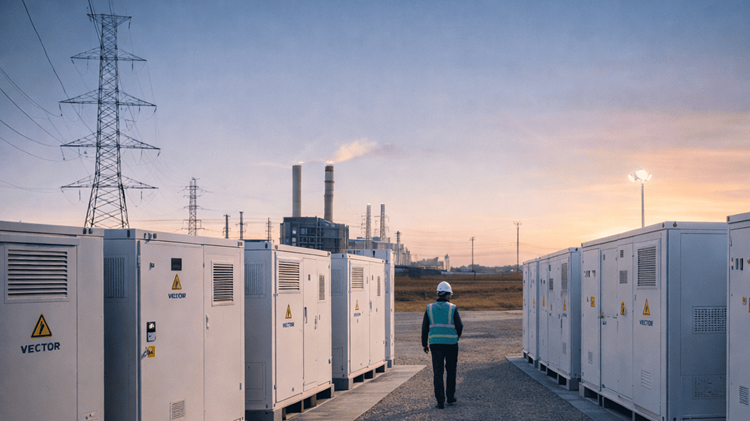
With a 700 MW storage tender underway, Argentina’s market is entering a critical phase where success will hinge not only on cost per kWh, but on long-term performance, operational strategy and advanced control systems.
The company identifies grid access as the main barrier to new investment in Spain, amid regulatory uncertainty and administrative delays, while advancing a 300 MW pipeline and prioritising hybrid renewable projects with energy storage.