
Chile’s renewable energy and storage association forecasts nearly 10 GW of new capacity in the next two years, driven mainly by BESS, solar PV and wind power projects, reinforcing the country’s clean energy dominance.
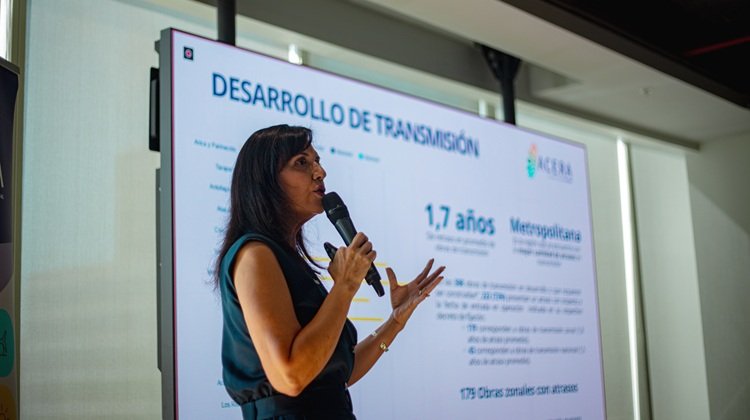


Chile’s renewable energy and storage association forecasts nearly 10 GW of new capacity in the next two years, driven mainly by BESS, solar PV and wind power projects, reinforcing the country’s clean energy dominance.
The regulation sets strict technical requirements for renewable projects with battery storage connected to the national grid. While experts welcome the regulatory progress, they warn that the lack of clear economic signals could weigh on investment.
The consultancy argues that batteries enable active market strategies in Spain’s volatile power market, reducing exposure to solar cannibalisation and improving project bankability.
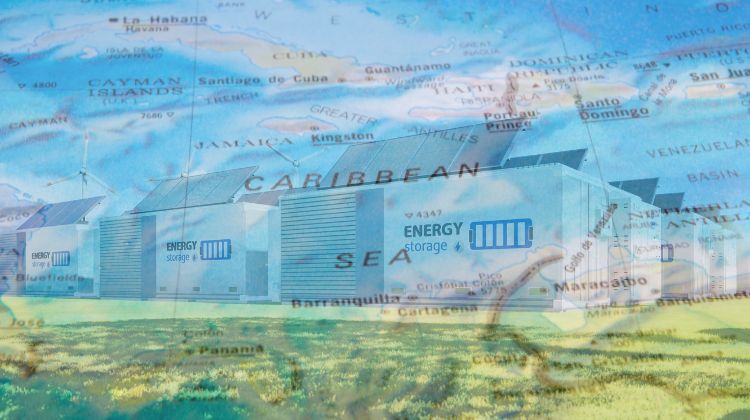
Although renewables already account for 65% of installed capacity in Latin America and the Caribbean, the lack of operational flexibility and energy storage could push the regional power system towards a critical bottleneck by 2026, according to Antonio S.R. Lopez, CEO of A&M TECHNOLOGY.
The government activates six support schemes totalling €1.3695bn to boost strategic projects in energy storage, efficiency, offshore wind, thermal networks and industrial transition. A line-by-line overview of all active calls, including budgets, deadlines, requirements and eligible applicants.
With 420 MWh systems in Chile and 63 MWh in Argentina, the Chinese company strengthens its regional expansion, targets key tenders such as AlmaGBA in Argentina and prepares for Brazil’s upcoming auctions with solutions of up to 6 MWh.
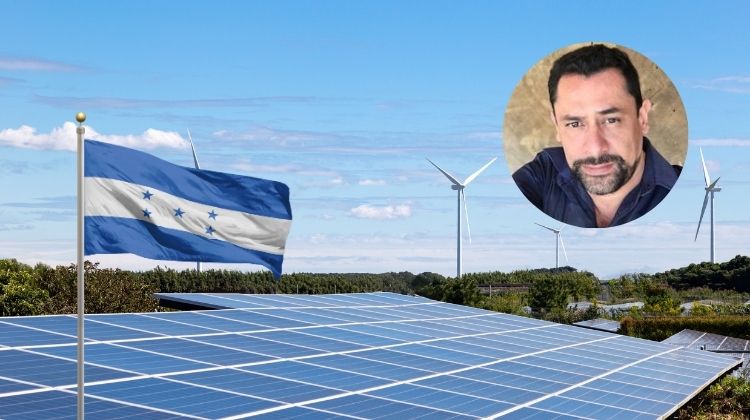
As he prepares to leave office, Honduras’ Energy Secretary highlights the financial recovery of the state utility, the deployment of Central America’s largest energy storage system and a 1.5 GW power tender that the next administration will need to carry forward. Nasry Asfura will take office as president on 26 January.
Madrid will host the first major energy event of 2026, with a strong focus on energy storage, regulatory frameworks and partnerships driving technological and financial innovation in the energy transition.
Honduras’ upcoming power auction will mark a turning point in national energy policy. The government is already working on new terms that will replace the BOT model, open the market and redesign the country’s contracting strategy.
Negative prices, a deeper duck curve and widening hourly spreads are creating a concrete investment window for energy storage in Spain, according to the country’s power market operator.
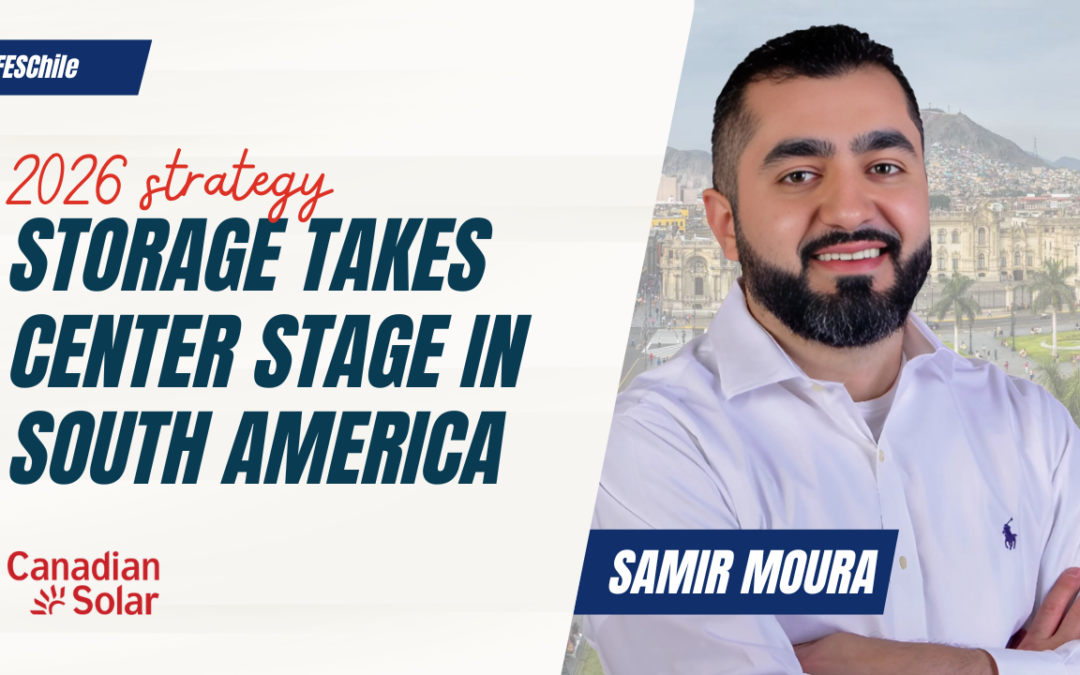
The company is accelerating its regional expansion with a strong focus on BESS solutions, technology integration and a local footprint across four countries. It is also rolling out new solar modules of up to 725 Wp and smart solutions for complex geographies.
In an electricity system with more than three times installed capacity than peak demand, the company is accelerating its deployment in Chile through eleven battery energy storage projects and a new technology that emulates the behaviour of synchronous machines.
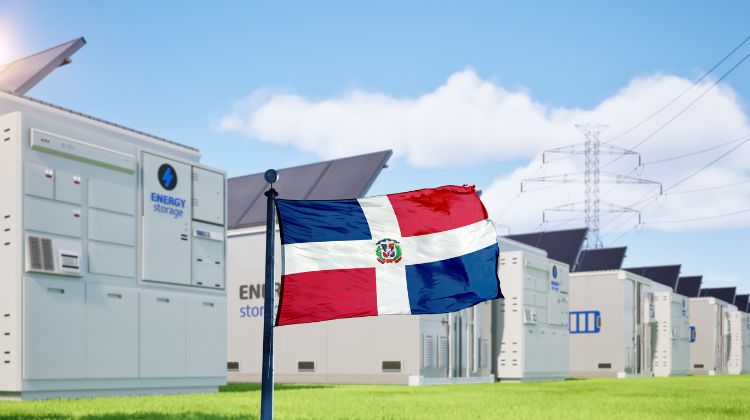
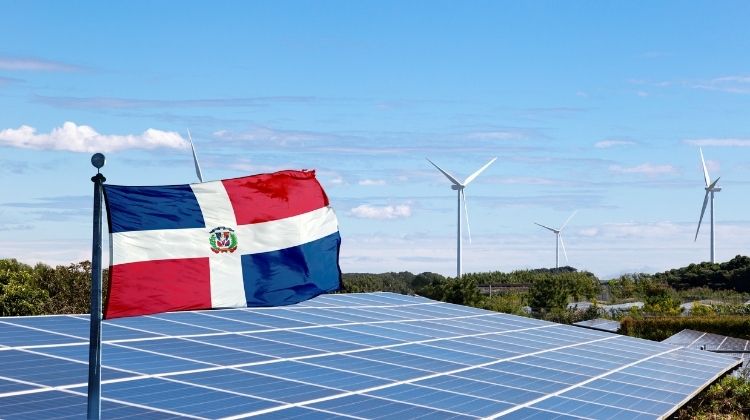
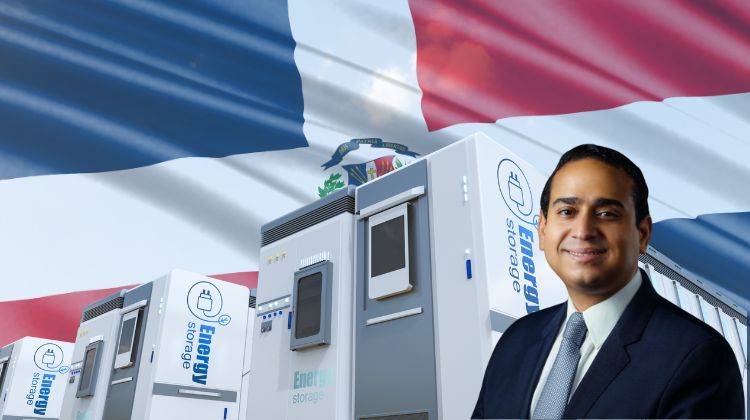
The Dominican government’s latest renewable energy tender has triggered an overwhelming market response, with 32 solar and wind projects—most of them including battery energy storage—competing for just 600 MW. The process, to be decided in May 2026, could be expanded in future rounds given the strong level of participation.
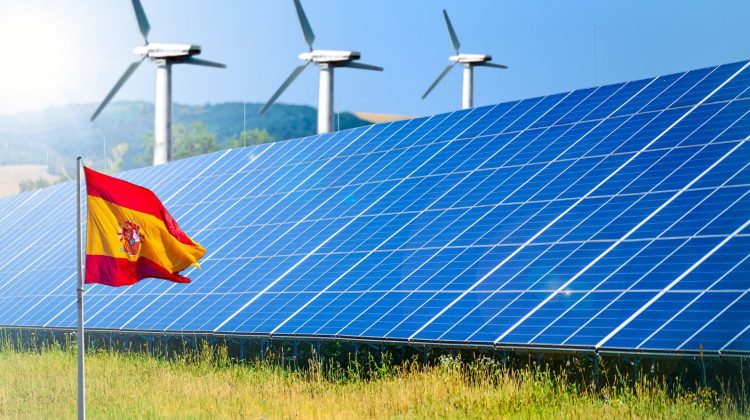
The country installed 8.85 GW of new renewable capacity last year—88% solar PV. As Spain looks to 2026, grid saturation and permitting bottlenecks are emerging as the main risks to sustaining growth.
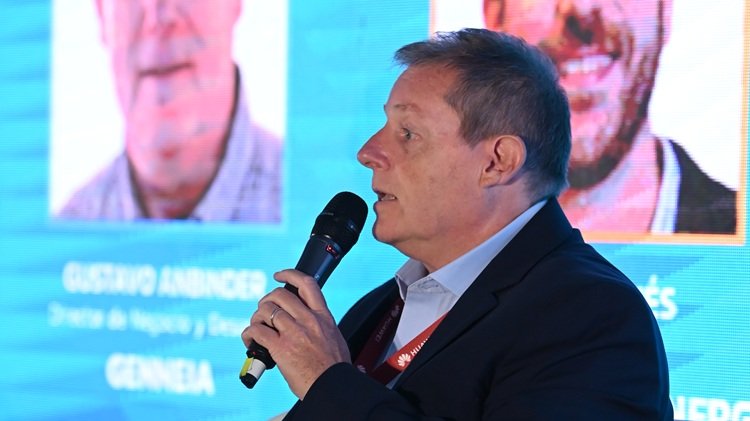
Genneia strengthens its solar and wind portfolio beyond 1.54 GW in operation and targets more than 2 GW by 2026, supported by unprecedented financing conditions. The company is also adding battery storage, developing its own transmission assets and supplying power to data centres.
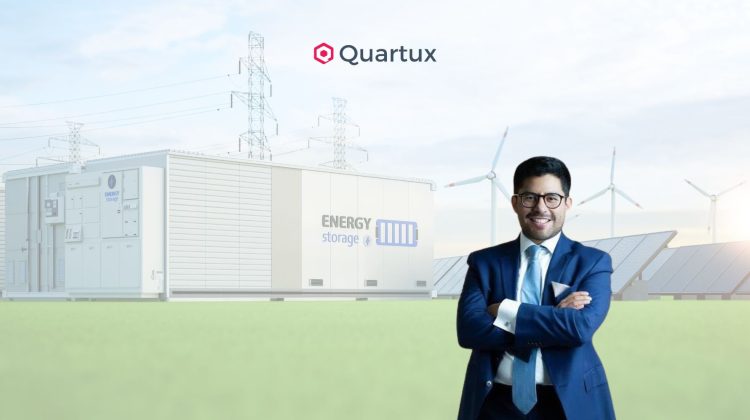
The private-sector tender marks a turning point for energy storage in Mexico. Quartux, which already controls 85% of the commercial and industrial segment, is preparing to scale up into utility-scale projects with strong financial backing, proprietary technology and strategic partnerships, while anticipating a sharp acceleration in adoption from 2026 onwards.

The country becomes the first in the Caribbean to set binding requirements for integrating battery energy storage systems into wind and solar projects. The regulation includes ramp-rate limits and advanced functions such as grid forming, but its implementation will depend on how these services are paid for.
The company expects to reach 2 GWh of battery supply and between 800 and 1,000 MW of photovoltaic modules delivered in Chile over the course of the year, driven by vertical integration, regional adaptation and a strong local operational base.
This report brings together exclusive information gathered throughout 2025 by Energía Estratégica on active public procurement processes in Central America and the Caribbean. More than 4 GW of capacity is at stake, with energy storage as a core technical requirement, regulatory reforms under way, and strong multilateral backing shaping a new phase in regional power procurement.
With just one year to go, the country has added only 2 GW of clean capacity—around one-third of its goal. Consultants warn the power system is increasingly vulnerable and say urgent market reforms are needed to avert an energy crunch by 2027.
The company’s CEO warned that Chile’s energy transition is at risk due to a regulatory gap that is stalling investment in power grids and disconnecting supply from demand. He also stressed energy storage as a cornerstone of next-generation renewable projects.
Chile’s renewable energy and storage association forecasts nearly 10 GW of new capacity in the next two years, driven mainly by BESS, solar PV and wind power projects, reinforcing the country’s clean energy dominance.
The regulation sets strict technical requirements for renewable projects with battery storage connected to the national grid. While experts welcome the regulatory progress, they warn that the lack of clear economic signals could weigh on investment.
The consultancy argues that batteries enable active market strategies in Spain’s volatile power market, reducing exposure to solar cannibalisation and improving project bankability.
Although renewables already account for 65% of installed capacity in Latin America and the Caribbean, the lack of operational flexibility and energy storage could push the regional power system towards a critical bottleneck by 2026, according to Antonio S.R. Lopez, CEO of A&M TECHNOLOGY.
The government activates six support schemes totalling €1.3695bn to boost strategic projects in energy storage, efficiency, offshore wind, thermal networks and industrial transition. A line-by-line overview of all active calls, including budgets, deadlines, requirements and eligible applicants.
With 420 MWh systems in Chile and 63 MWh in Argentina, the Chinese company strengthens its regional expansion, targets key tenders such as AlmaGBA in Argentina and prepares for Brazil’s upcoming auctions with solutions of up to 6 MWh.
As he prepares to leave office, Honduras’ Energy Secretary highlights the financial recovery of the state utility, the deployment of Central America’s largest energy storage system and a 1.5 GW power tender that the next administration will need to carry forward. Nasry Asfura will take office as president on 26 January.
Madrid will host the first major energy event of 2026, with a strong focus on energy storage, regulatory frameworks and partnerships driving technological and financial innovation in the energy transition.
Honduras’ upcoming power auction will mark a turning point in national energy policy. The government is already working on new terms that will replace the BOT model, open the market and redesign the country’s contracting strategy.
Negative prices, a deeper duck curve and widening hourly spreads are creating a concrete investment window for energy storage in Spain, according to the country’s power market operator.
The company is accelerating its regional expansion with a strong focus on BESS solutions, technology integration and a local footprint across four countries. It is also rolling out new solar modules of up to 725 Wp and smart solutions for complex geographies.
In an electricity system with more than three times installed capacity than peak demand, the company is accelerating its deployment in Chile through eleven battery energy storage projects and a new technology that emulates the behaviour of synchronous machines.
The Dominican government’s latest renewable energy tender has triggered an overwhelming market response, with 32 solar and wind projects—most of them including battery energy storage—competing for just 600 MW. The process, to be decided in May 2026, could be expanded in future rounds given the strong level of participation.
The country installed 8.85 GW of new renewable capacity last year—88% solar PV. As Spain looks to 2026, grid saturation and permitting bottlenecks are emerging as the main risks to sustaining growth.
Genneia strengthens its solar and wind portfolio beyond 1.54 GW in operation and targets more than 2 GW by 2026, supported by unprecedented financing conditions. The company is also adding battery storage, developing its own transmission assets and supplying power to data centres.
The private-sector tender marks a turning point for energy storage in Mexico. Quartux, which already controls 85% of the commercial and industrial segment, is preparing to scale up into utility-scale projects with strong financial backing, proprietary technology and strategic partnerships, while anticipating a sharp acceleration in adoption from 2026 onwards.

The country becomes the first in the Caribbean to set binding requirements for integrating battery energy storage systems into wind and solar projects. The regulation includes ramp-rate limits and advanced functions such as grid forming, but its implementation will depend on how these services are paid for.
The company expects to reach 2 GWh of battery supply and between 800 and 1,000 MW of photovoltaic modules delivered in Chile over the course of the year, driven by vertical integration, regional adaptation and a strong local operational base.
This report brings together exclusive information gathered throughout 2025 by Energía Estratégica on active public procurement processes in Central America and the Caribbean. More than 4 GW of capacity is at stake, with energy storage as a core technical requirement, regulatory reforms under way, and strong multilateral backing shaping a new phase in regional power procurement.
With just one year to go, the country has added only 2 GW of clean capacity—around one-third of its goal. Consultants warn the power system is increasingly vulnerable and say urgent market reforms are needed to avert an energy crunch by 2027.
The company’s CEO warned that Chile’s energy transition is at risk due to a regulatory gap that is stalling investment in power grids and disconnecting supply from demand. He also stressed energy storage as a cornerstone of next-generation renewable projects.

Select the sector you
want to know more about
The agreement covers the supply of 1 GWh of battery storage capacity for the 238 MWp Malgarida solar PV plant in Chile’s Atacama Desert, strengthening renewable energy integration and long-term investment in the country.
The syndicated bond and equity facility, backed by Spain’s ICO and export credit agency Cesce, will support contracted renewable energy projects in Italy, Germany and the United States under the company’s Green Financing Framework.
More than 80 GW of installed renewable capacity underpin a strong start to the year, as new project permitting exceeds 1.6 GW in just three weeks despite a 2% drop in electricity demand.