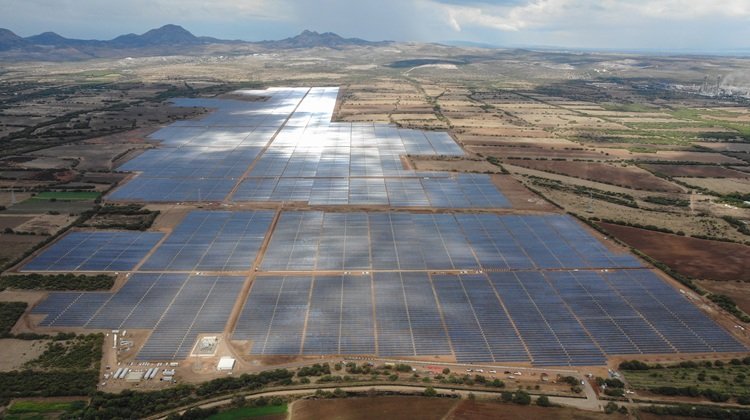

Panama’s LPI 01-26 tender for existing power plants received 71 offers—67 from renewable energy projects, mainly hydropower and solar PV—highlighting the growing role of clean generation in the country’s electricity mix.


Panama’s LPI 01-26 tender for existing power plants received 71 offers—67 from renewable energy projects, mainly hydropower and solar PV—highlighting the growing role of clean generation in the country’s electricity mix.

Rising geopolitical tensions are pushing gas and oil prices higher, exposing Europe’s energy dependence while generating uneven effects across hydrocarbon exporters and importers in Latin America.
The transaction includes more than 1,200 MW of renewable energy assets and represents one of the most significant recent deals in Latin America’s power sector.
Energía Estratégica’s digital catalogue launches its second edition with confirmed manufacturers and developers, expanding its technical platform featuring solar modules, inverters, battery storage systems and trackers.
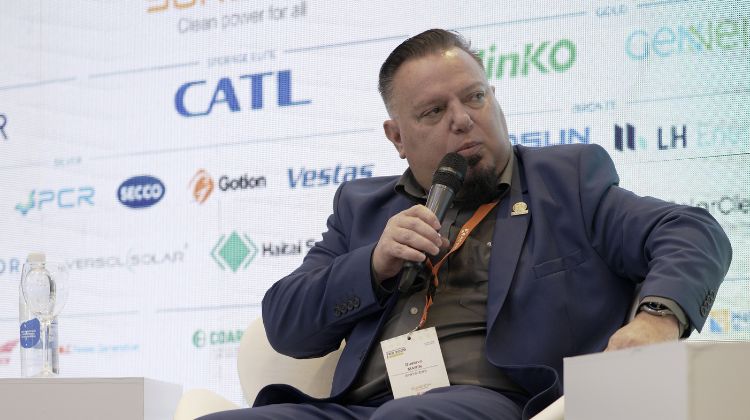
Martín Mandarano says Argentina’s power sector is returning to market-based dynamics after Resolution 400/2025, with private power purchase agreements, risk management and new infrastructure becoming central as energy demand from lithium mining grows.
The regional energy summit will take place in October, bringing together more than 200 speakers and nearly 3,000 participants from governments, the private sector, multilateral organisations and civil society.
Spain-based developer Energía Aljaval has approved a 2026–2027 strategic plan focused on eight utility-scale solar PV projects with battery energy storage, aiming to reach Ready-to-Build status by 2027 and commercial operation by the end of the decade.
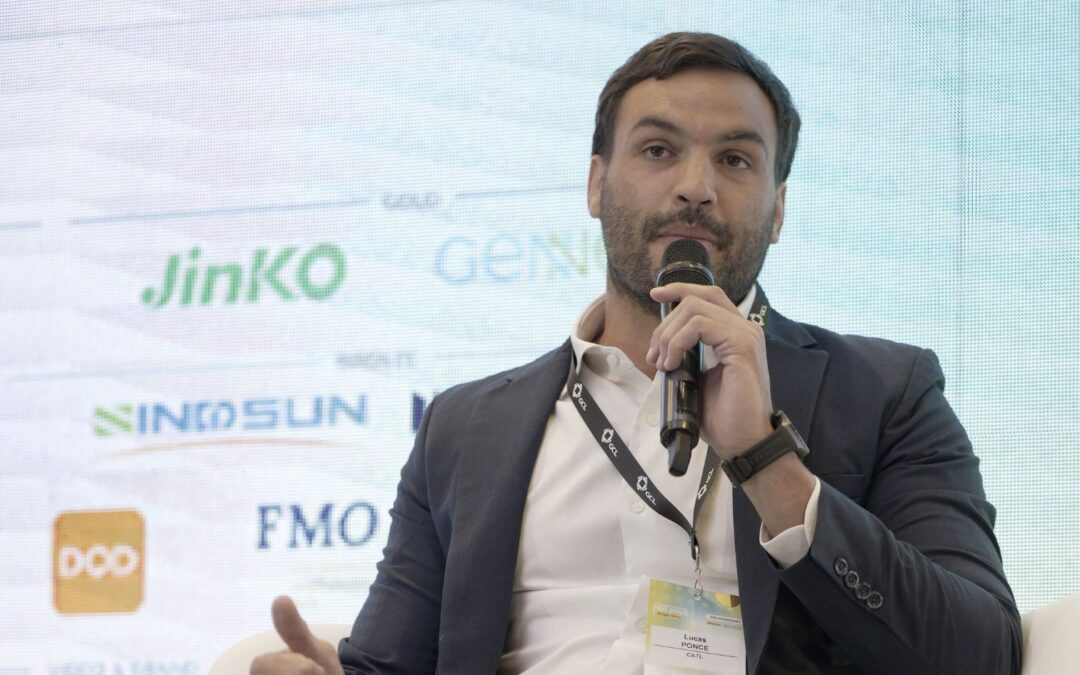
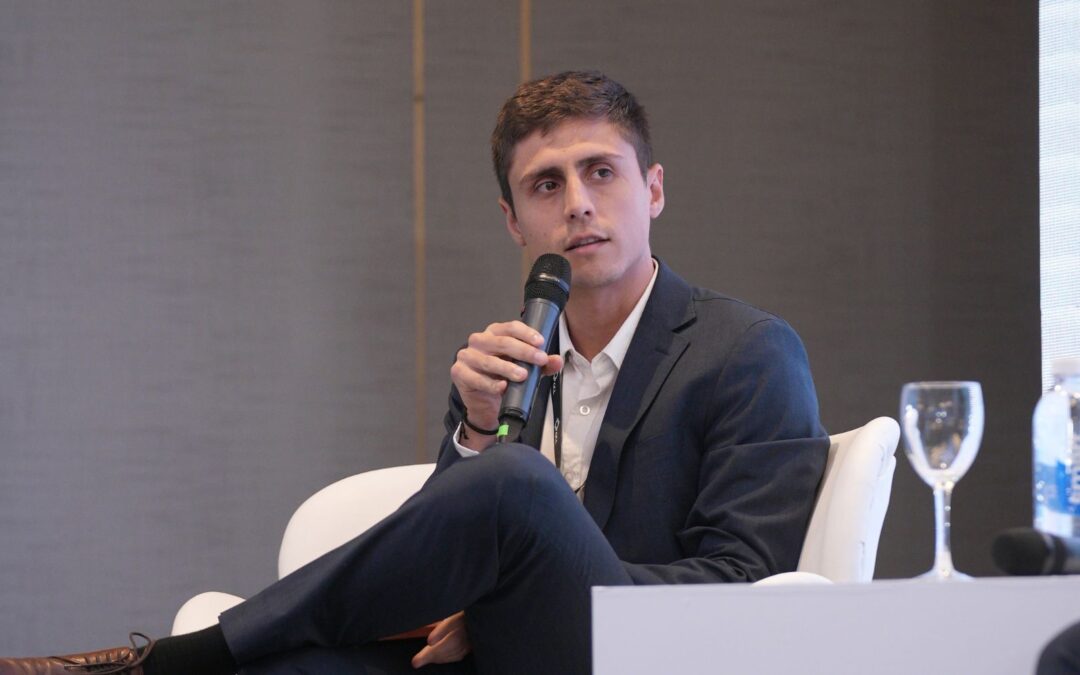
The company will supply batteries for Central Puerto projects in the Buenos Aires metropolitan area (AMBA), which are set to become the largest energy storage development in the country. Speaking at FES Argentina, Lucas Ponce said the main opportunities for the sector will be linked to CAMMESA, as the market launches the new Alma SADI tender.
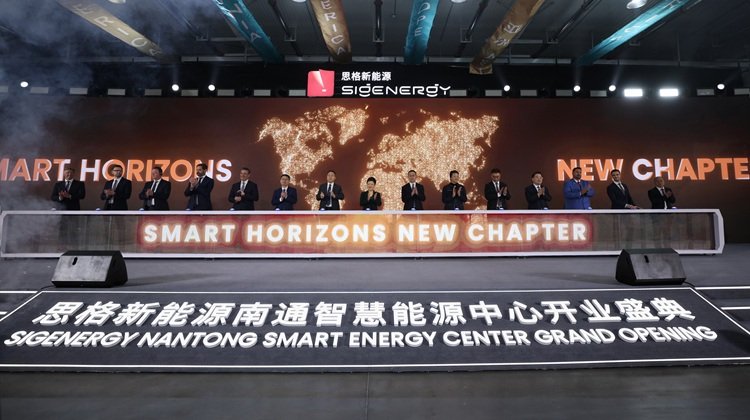
The Chinese energy technology company introduced its new AI-driven strategy and expanded its portfolio with solutions for residential, commercial & industrial and utility-scale applications, marking a new phase of global growth.
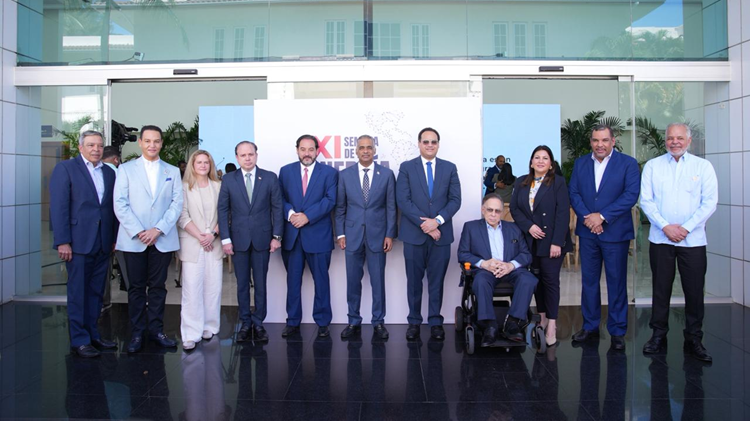
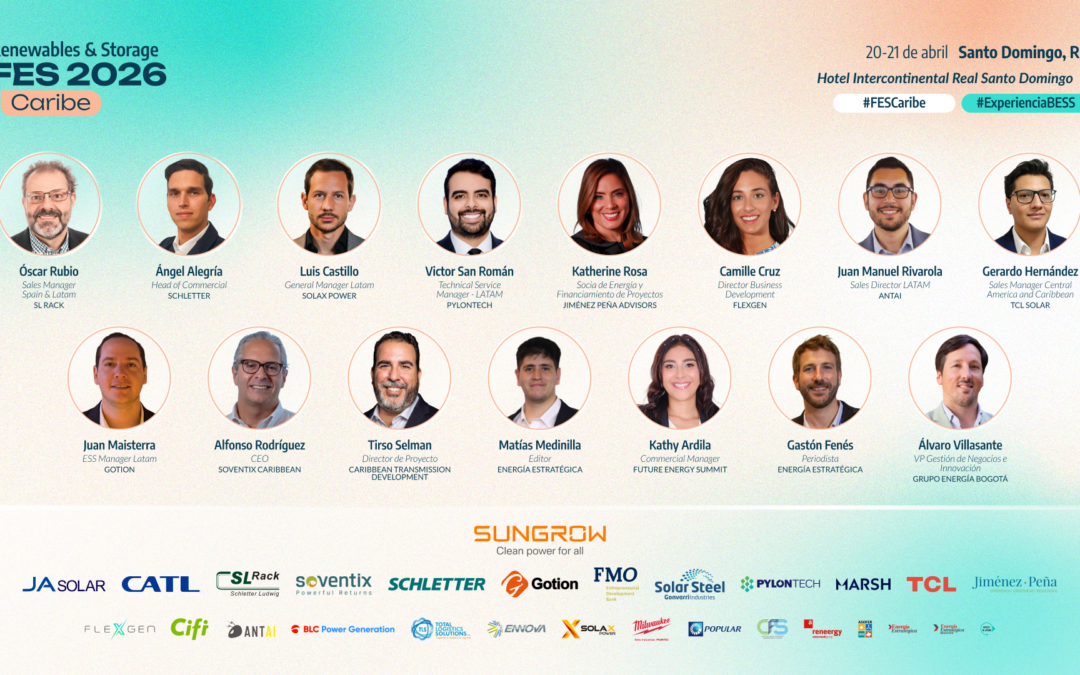
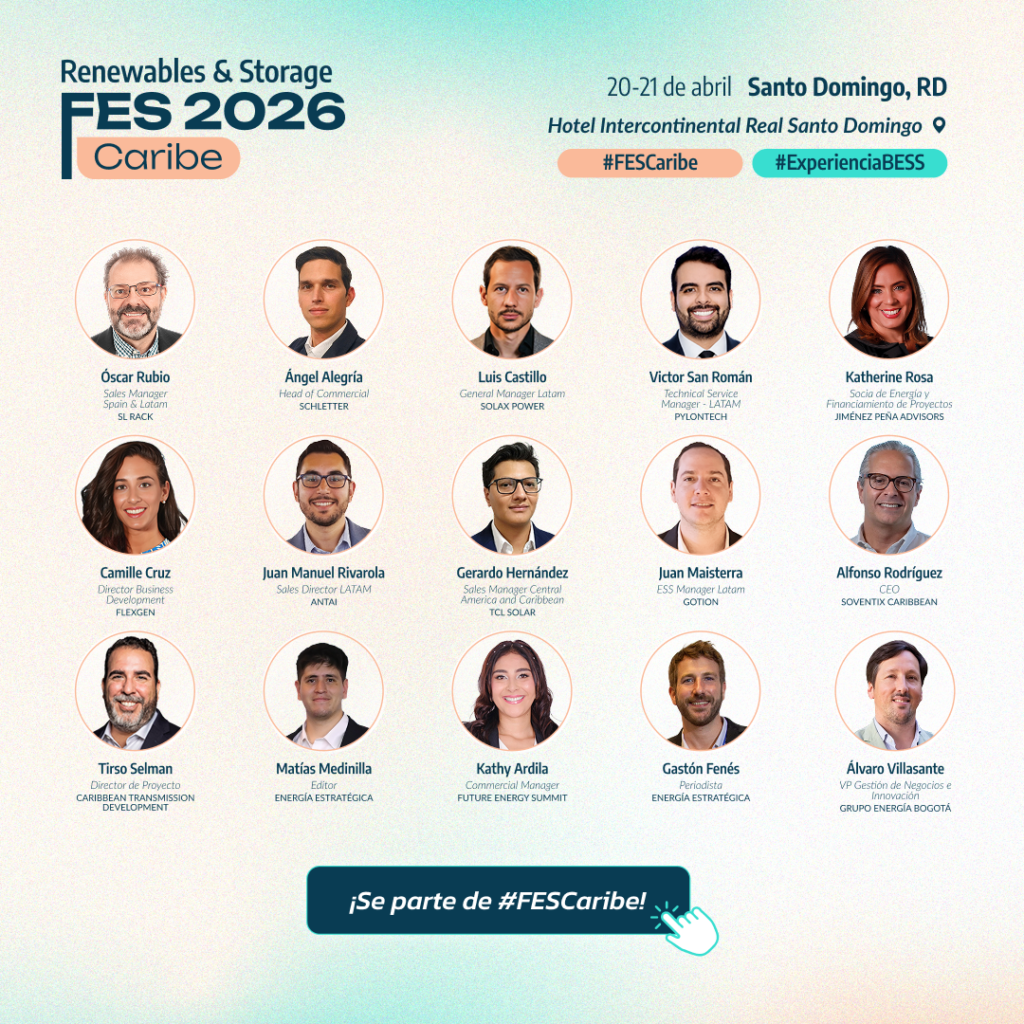
The Future Energy Summit Caribe will take place on 20–21 April in Santo Domingo and will bring together leading companies from the energy sector at a time marked by renewable energy tenders, growing interest in energy storage and challenges related to the reliability of island power systems.
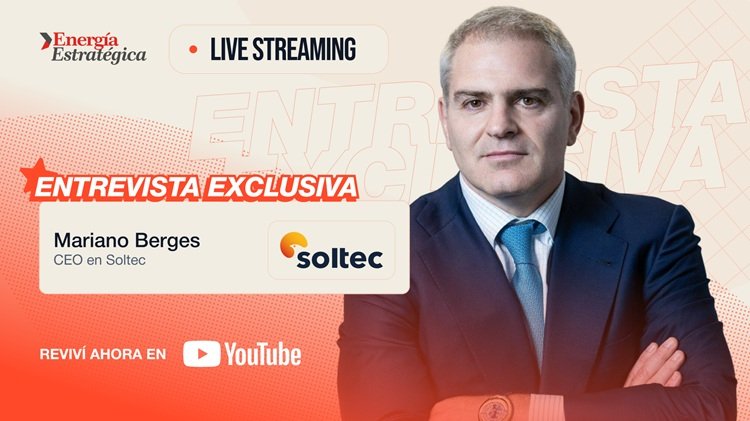
Soltec’s CEO, Mariano Berges, outlines in Energía Estratégica’s streaming series the strategy to relaunch the company after its financial crisis. With a focus on tracker innovation and international expansion, the firm aims to strengthen its presence in the United States and regain leadership in Latin America.
Tomás Fuentealba explained that Sungrow currently has 75 GW of annual energy storage manufacturing capacity and is expanding new factories to reach 110 GW, aiming to capture the opportunities emerging from new projects and tenders across Latin America.
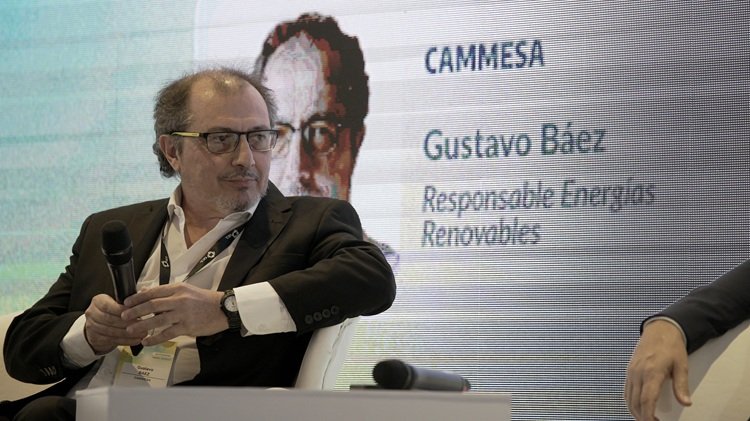
The AlmaSADI call for proposals aims to award 700 MW of BESS capacity. However, Argentina’s wholesale electricity market operator CAMMESA clarified that the total capacity allocated across nodes approaches 1,000 MW, enabling competition not only within regions but also between them. In addition, project locations differ according to system criticality, with some nodes offering advantages over others.
Jesús Heras, Technical Director for SouthWest Europe, warns that the sector needs clear regulatory frameworks to attract investment and consolidate projects. Meanwhile, technological solutions such as containerised battery systems and control platforms developed together with Huawei are gaining traction in industrial self-consumption projects.
Gotion is developing higher-capacity battery energy storage systems and expanding its regional footprint as Argentina prepares to award 700 MW of grid-scale storage under the AlmaSADI programme.
The Ministry of Mines and Energy confirmed that the country’s first BESS capacity auction will launch in April. Projects must have at least 30 MW of capacity and winners will sign 10-year contracts as Brazil advances regulation to integrate energy storage into its power market.
The procurement process to add new power capacity exceeded industry expectations, receiving renewable energy bids close to 2 GW. However, strengthening the transmission network has emerged as the key challenge to accommodate rising electricity demand and connect future projects.
The company is preparing new large-scale technologies, including 6 MWh battery systems and 30 MW equipment, as Chile accelerates the deployment of energy storage to address grid congestion and renewable curtailment.

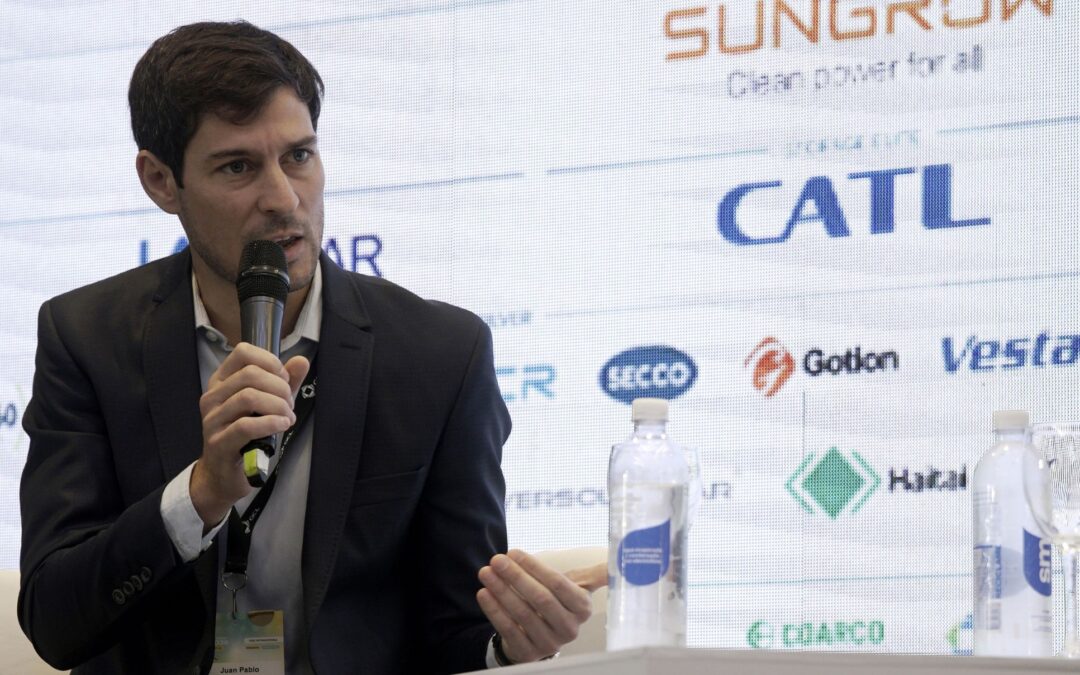
The company’s Development and Technology Manager, Juan Pablo Alagia, says the country has the technical and regulatory conditions to advance battery deployment in the power system. 360Energy is already developing projects totalling 30 MWh, while the local market evaluates new tenders and the sector debates the rollout of energy storage in Argentina’s national interconnected system (SADI).
The company’s LATAM Branch Manager, Gustavo Marín, stated that storage costs have reached a balance point that enables their adoption in residential, commercial and industrial systems. He also analysed the potential impact in Argentina and how batteries could be integrated into the country’s 125 MW of installed distributed generation capacity.
A growing renewable energy developer is advancing 17 projects and targets 250 MW in operation by 2026. After securing capacity in the AlmaGBA auction, the company is positioning battery energy storage systems (BESS) as a central pillar for future growth in the Argentine power market.
Panama’s LPI 01-26 tender for existing power plants received 71 offers—67 from renewable energy projects, mainly hydropower and solar PV—highlighting the growing role of clean generation in the country’s electricity mix.
Rising geopolitical tensions are pushing gas and oil prices higher, exposing Europe’s energy dependence while generating uneven effects across hydrocarbon exporters and importers in Latin America.
The transaction includes more than 1,200 MW of renewable energy assets and represents one of the most significant recent deals in Latin America’s power sector.
Energía Estratégica’s digital catalogue launches its second edition with confirmed manufacturers and developers, expanding its technical platform featuring solar modules, inverters, battery storage systems and trackers.
Martín Mandarano says Argentina’s power sector is returning to market-based dynamics after Resolution 400/2025, with private power purchase agreements, risk management and new infrastructure becoming central as energy demand from lithium mining grows.
The regional energy summit will take place in October, bringing together more than 200 speakers and nearly 3,000 participants from governments, the private sector, multilateral organisations and civil society.
Spain-based developer Energía Aljaval has approved a 2026–2027 strategic plan focused on eight utility-scale solar PV projects with battery energy storage, aiming to reach Ready-to-Build status by 2027 and commercial operation by the end of the decade.
The company will supply batteries for Central Puerto projects in the Buenos Aires metropolitan area (AMBA), which are set to become the largest energy storage development in the country. Speaking at FES Argentina, Lucas Ponce said the main opportunities for the sector will be linked to CAMMESA, as the market launches the new Alma SADI tender.
The Chinese energy technology company introduced its new AI-driven strategy and expanded its portfolio with solutions for residential, commercial & industrial and utility-scale applications, marking a new phase of global growth.
The Future Energy Summit Caribe will take place on 20–21 April in Santo Domingo and will bring together leading companies from the energy sector at a time marked by renewable energy tenders, growing interest in energy storage and challenges related to the reliability of island power systems.
Soltec’s CEO, Mariano Berges, outlines in Energía Estratégica’s streaming series the strategy to relaunch the company after its financial crisis. With a focus on tracker innovation and international expansion, the firm aims to strengthen its presence in the United States and regain leadership in Latin America.
Tomás Fuentealba explained that Sungrow currently has 75 GW of annual energy storage manufacturing capacity and is expanding new factories to reach 110 GW, aiming to capture the opportunities emerging from new projects and tenders across Latin America.
The AlmaSADI call for proposals aims to award 700 MW of BESS capacity. However, Argentina’s wholesale electricity market operator CAMMESA clarified that the total capacity allocated across nodes approaches 1,000 MW, enabling competition not only within regions but also between them. In addition, project locations differ according to system criticality, with some nodes offering advantages over others.
Jesús Heras, Technical Director for SouthWest Europe, warns that the sector needs clear regulatory frameworks to attract investment and consolidate projects. Meanwhile, technological solutions such as containerised battery systems and control platforms developed together with Huawei are gaining traction in industrial self-consumption projects.
Gotion is developing higher-capacity battery energy storage systems and expanding its regional footprint as Argentina prepares to award 700 MW of grid-scale storage under the AlmaSADI programme.
The Ministry of Mines and Energy confirmed that the country’s first BESS capacity auction will launch in April. Projects must have at least 30 MW of capacity and winners will sign 10-year contracts as Brazil advances regulation to integrate energy storage into its power market.
The procurement process to add new power capacity exceeded industry expectations, receiving renewable energy bids close to 2 GW. However, strengthening the transmission network has emerged as the key challenge to accommodate rising electricity demand and connect future projects.
The company is preparing new large-scale technologies, including 6 MWh battery systems and 30 MW equipment, as Chile accelerates the deployment of energy storage to address grid congestion and renewable curtailment.
The company’s Development and Technology Manager, Juan Pablo Alagia, says the country has the technical and regulatory conditions to advance battery deployment in the power system. 360Energy is already developing projects totalling 30 MWh, while the local market evaluates new tenders and the sector debates the rollout of energy storage in Argentina’s national interconnected system (SADI).
The company’s LATAM Branch Manager, Gustavo Marín, stated that storage costs have reached a balance point that enables their adoption in residential, commercial and industrial systems. He also analysed the potential impact in Argentina and how batteries could be integrated into the country’s 125 MW of installed distributed generation capacity.
A growing renewable energy developer is advancing 17 projects and targets 250 MW in operation by 2026. After securing capacity in the AlmaGBA auction, the company is positioning battery energy storage systems (BESS) as a central pillar for future growth in the Argentine power market.

Select the sector you
want to know more about
With nearly 8 GW of installed capacity and USD 700 million in new storage opportunities, Argentina’s renewable energy sector is entering a phase where data analytics, smart operation, and efficiency are becoming as critical as upfront investment.
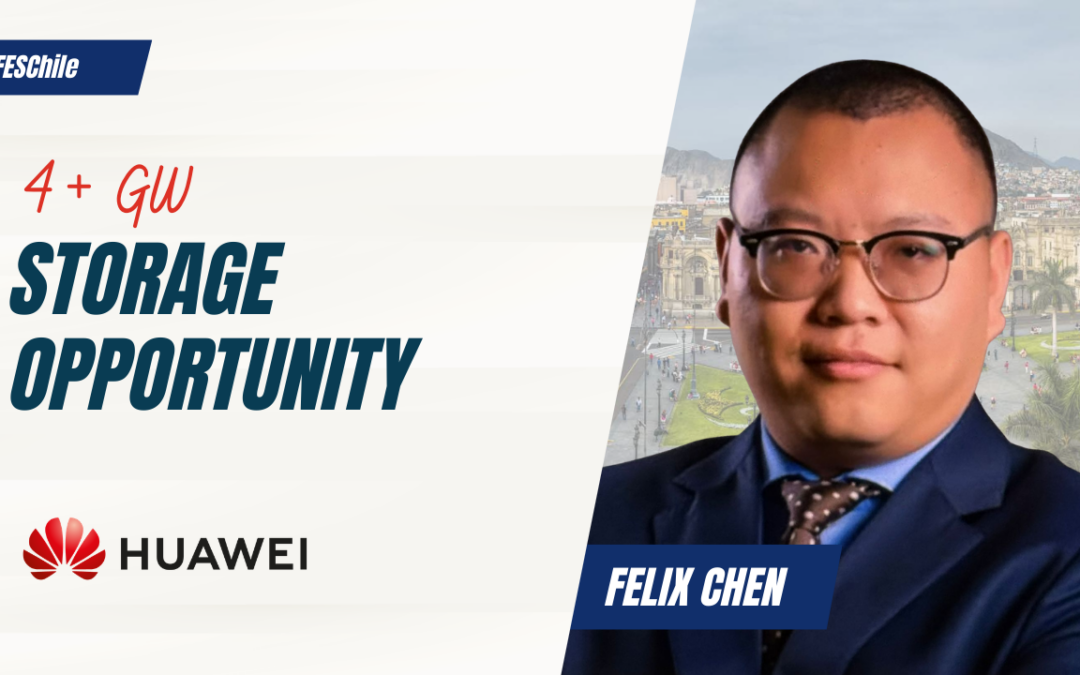
Huawei Digital Power introduced a new portfolio of inverters, energy storage systems, and power electronics aimed at improving grid stability, reducing costs, and accelerating renewable energy integration in Argentina.
Industry leaders will examine business models, technological innovation and key drivers for project development across Latin America.