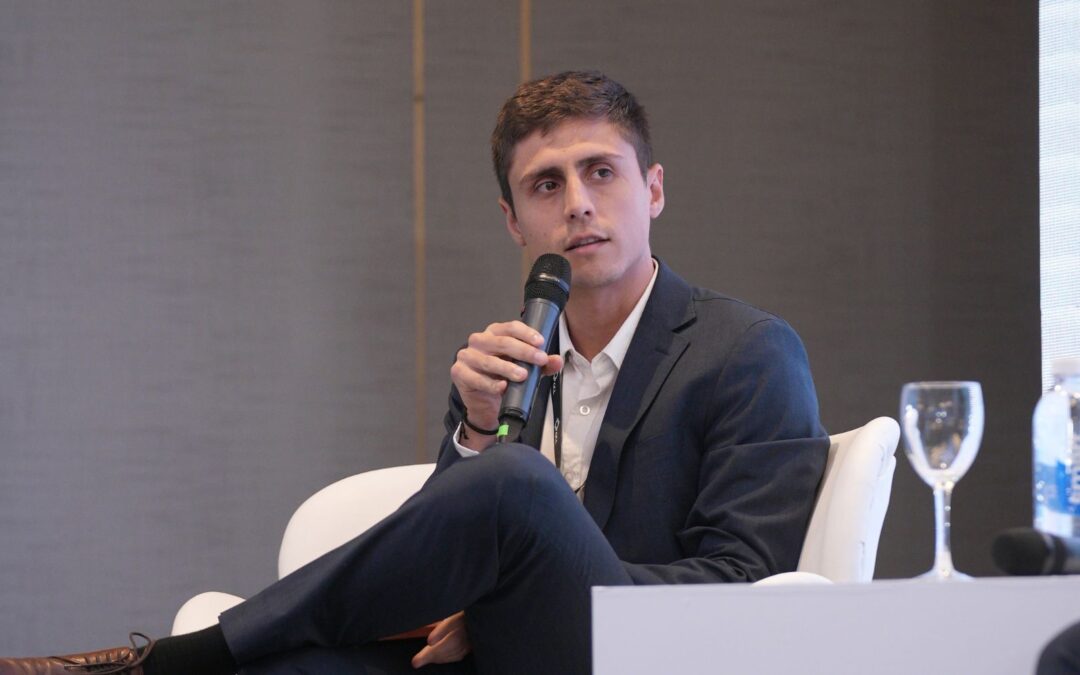

Eduardo Oviedo says Honduras must “change the business philosophy” of its state-owned utility to restore financial stability and deliver benefits to citizens.
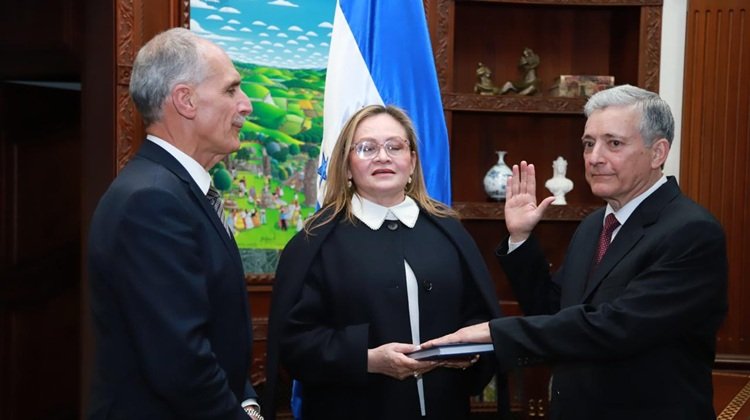


Eduardo Oviedo says Honduras must “change the business philosophy” of its state-owned utility to restore financial stability and deliver benefits to citizens.
Coral Energía plans to end 2026 with 260 MW of built capacity and around 400 MW across contracted and pipeline projects, while expanding into large-scale battery storage, corporate PPAs and potential transmission investments.

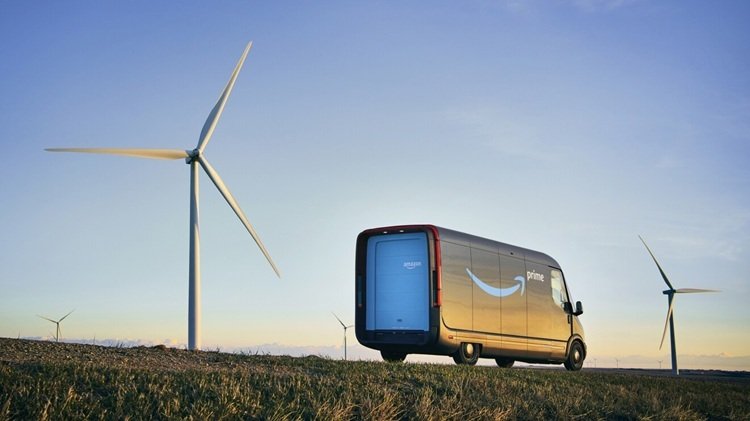
After adding seven new plants in 2025, the tech giant strengthens Spain as its second-largest renewable investment market worldwide, supporting its goal of net-zero carbon emissions by 2040.
The battery energy storage system (BESS), located in northern Chile, has 46 MW of installed capacity and represents an investment of approximately US$64 million.
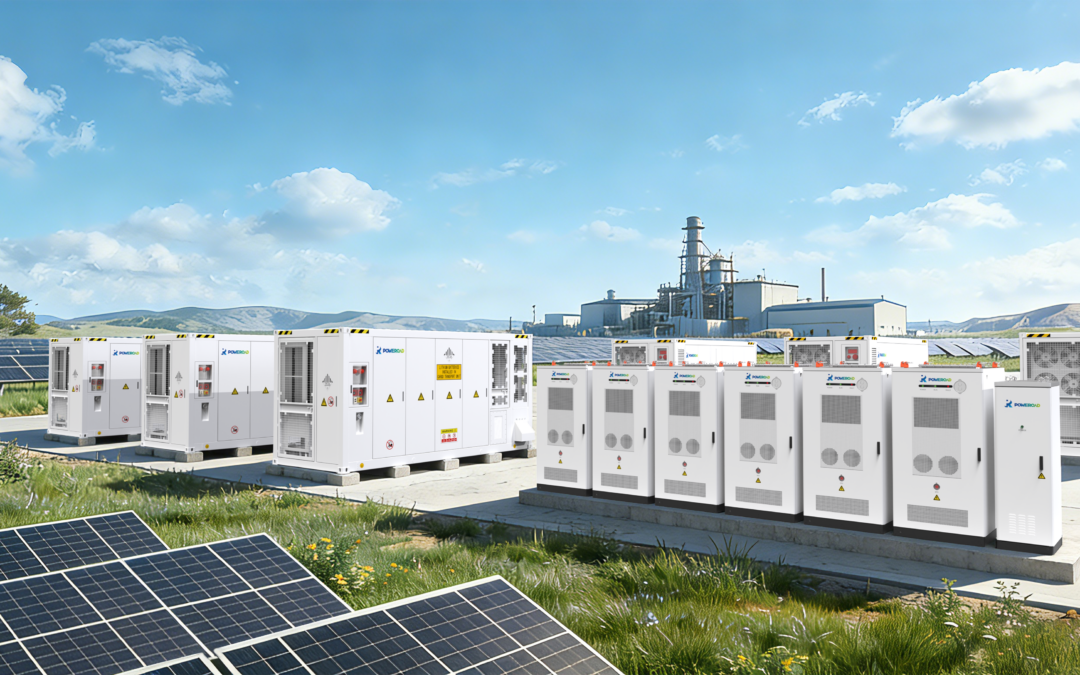
Spain added around 11 GW of renewable capacity in 2025 while electricity demand grew by 2.8%, creating a scenario that requires greater system flexibility. In this context, the company is developing battery projects to integrate clean power and support the expansion of electric vehicle charging.
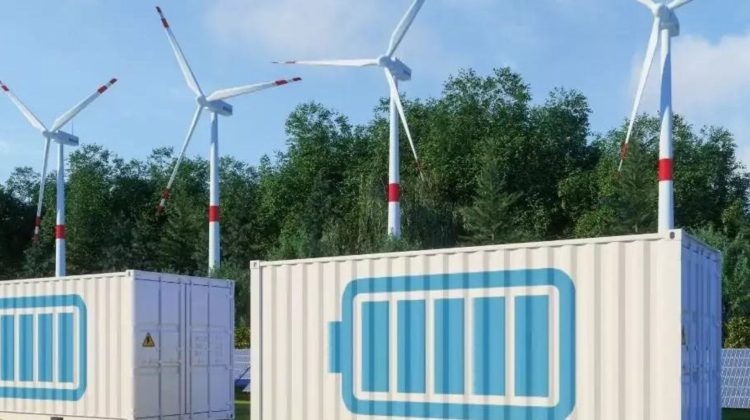
The Panabá project in Yucatán combines 252 MW of wind power with battery storage and was awarded in Mexico’s December energy tender. Genux Power’s CEO says the company plans to join future calls and sees strong investment appetite in the Mexican power sector.
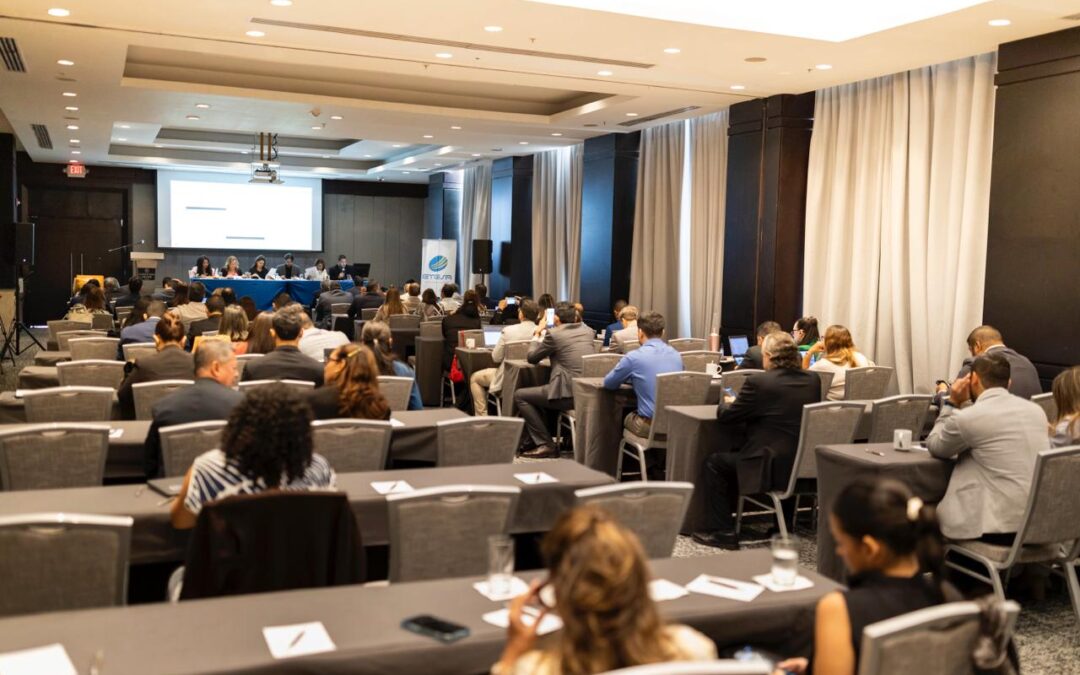
Future Energy Summit is entering the final stage of promotional ticket sales for its upcoming energy sector meetings in the region: FES Caribbean (20 and 21 April in Santo Domingo), FES Guatemala (14 May at the Real InterContinental Guatemala) and FES Mexico (19 May at the Marriott Mexico City Reforma Hotel), which will bring together executives, developers, manufacturers, investors and authorities from the renewable energy market.
Panama’s LPI 01-26 tender for existing power plants received 71 offers—67 from renewable energy projects, mainly hydropower and solar PV—highlighting the growing role of clean generation in the country’s electricity mix.
Rising geopolitical tensions are pushing gas and oil prices higher, exposing Europe’s energy dependence while generating uneven effects across hydrocarbon exporters and importers in Latin America.
The transaction includes more than 1,200 MW of renewable energy assets and represents one of the most significant recent deals in Latin America’s power sector.
Energía Estratégica’s digital catalogue launches its second edition with confirmed manufacturers and developers, expanding its technical platform featuring solar modules, inverters, battery storage systems and trackers.
Martín Mandarano says Argentina’s power sector is returning to market-based dynamics after Resolution 400/2025, with private power purchase agreements, risk management and new infrastructure becoming central as energy demand from lithium mining grows.
The regional energy summit will take place in October, bringing together more than 200 speakers and nearly 3,000 participants from governments, the private sector, multilateral organisations and civil society.
Spain-based developer Energía Aljaval has approved a 2026–2027 strategic plan focused on eight utility-scale solar PV projects with battery energy storage, aiming to reach Ready-to-Build status by 2027 and commercial operation by the end of the decade.
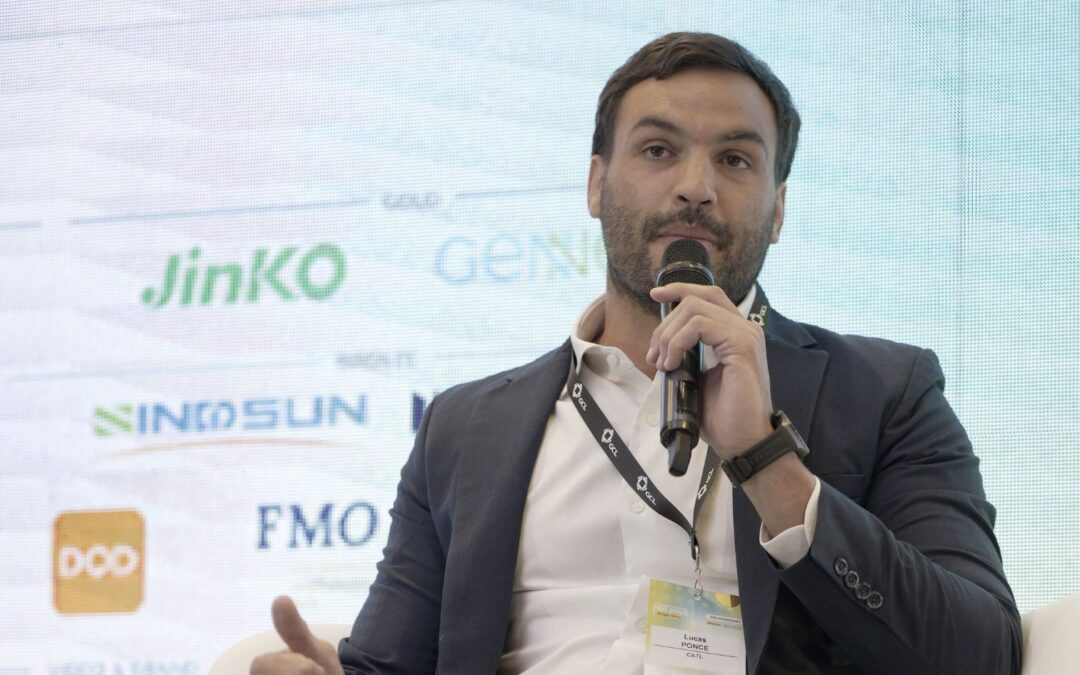
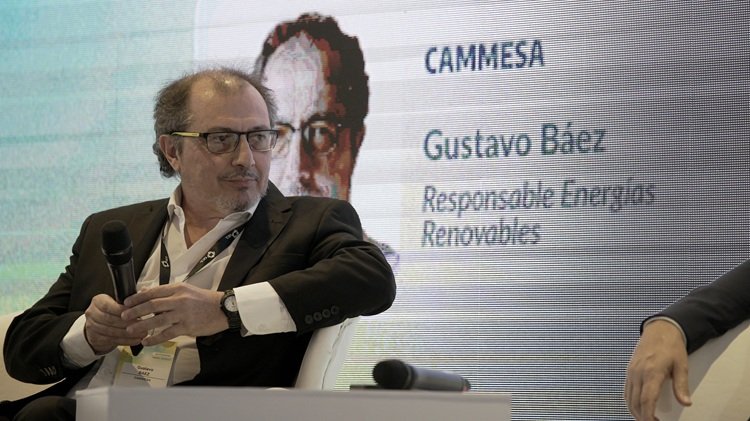
The company will supply batteries for Central Puerto projects in the Buenos Aires metropolitan area (AMBA), which are set to become the largest energy storage development in the country. Speaking at FES Argentina, Lucas Ponce said the main opportunities for the sector will be linked to CAMMESA, as the market launches the new Alma SADI tender.
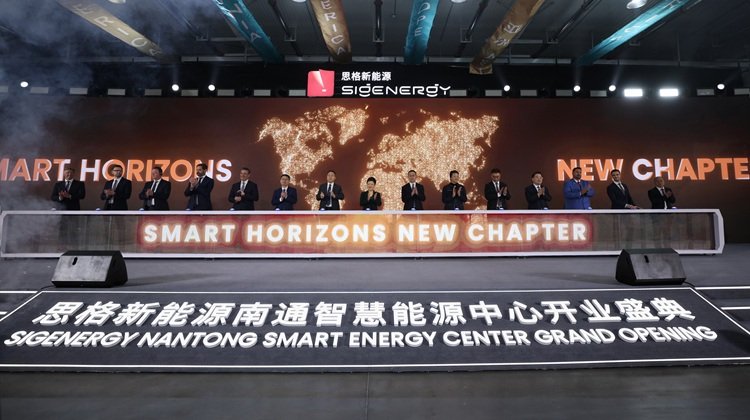
The Chinese energy technology company introduced its new AI-driven strategy and expanded its portfolio with solutions for residential, commercial & industrial and utility-scale applications, marking a new phase of global growth.
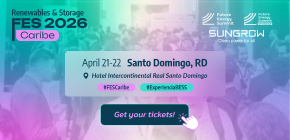
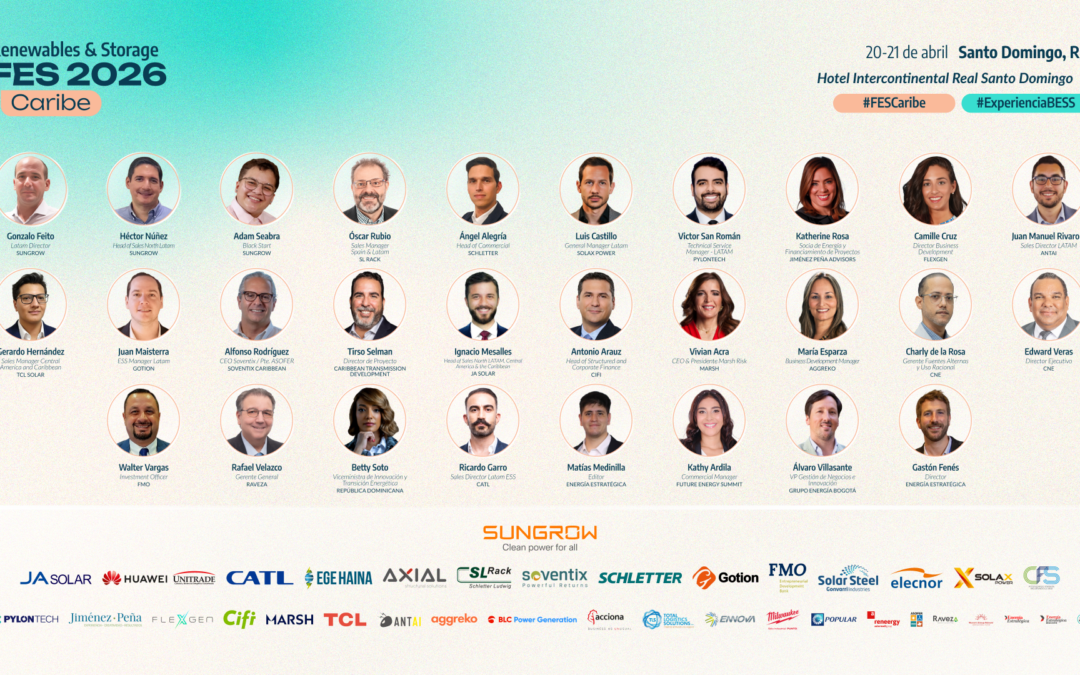
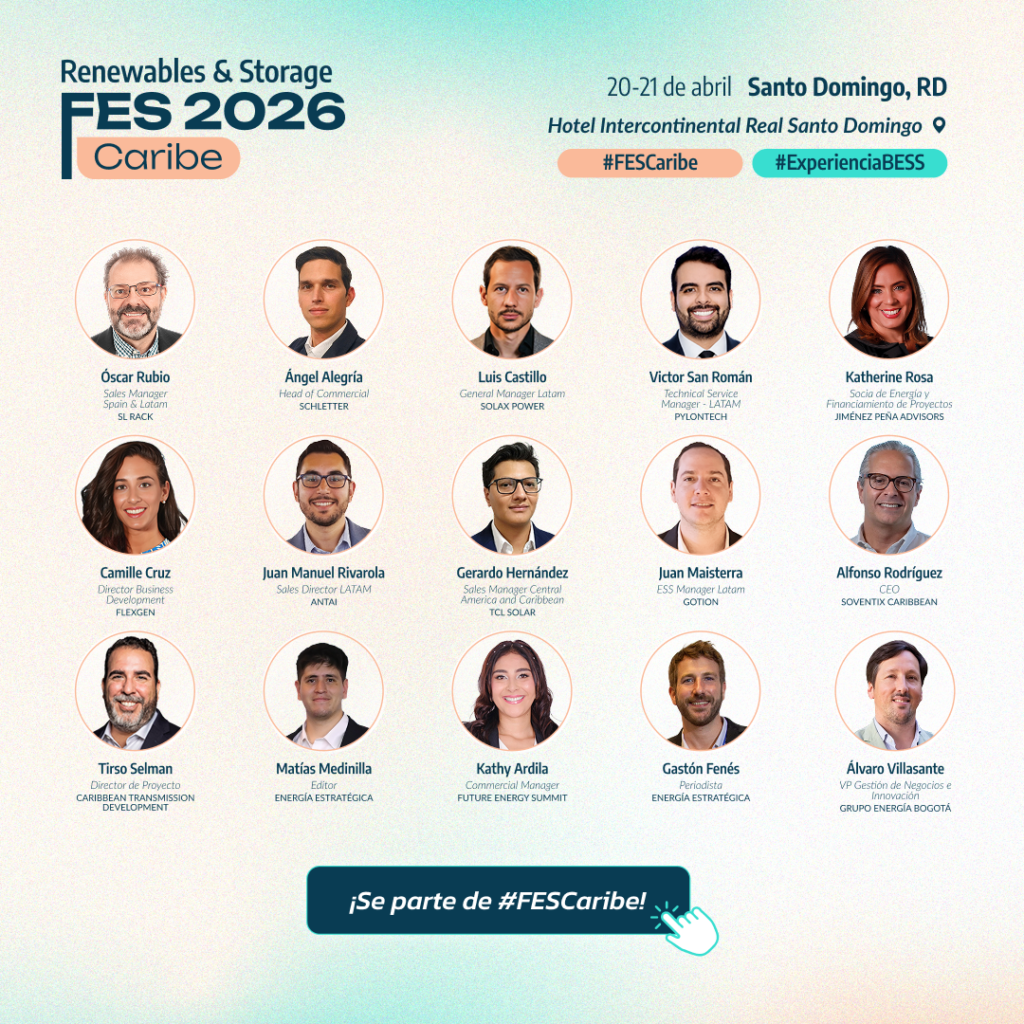
The Future Energy Summit Caribe will take place on 20–21 April in Santo Domingo and will bring together leading companies from the energy sector at a time marked by renewable energy tenders, growing interest in energy storage and challenges related to the reliability of island power systems.
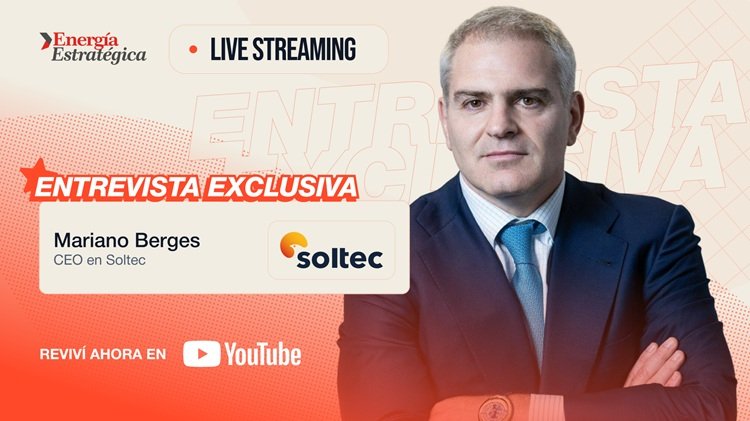
Soltec’s CEO, Mariano Berges, outlines in Energía Estratégica’s streaming series the strategy to relaunch the company after its financial crisis. With a focus on tracker innovation and international expansion, the firm aims to strengthen its presence in the United States and regain leadership in Latin America.
Tomás Fuentealba explained that Sungrow currently has 75 GW of annual energy storage manufacturing capacity and is expanding new factories to reach 110 GW, aiming to capture the opportunities emerging from new projects and tenders across Latin America.
The AlmaSADI call for proposals aims to award 700 MW of BESS capacity. However, Argentina’s wholesale electricity market operator CAMMESA clarified that the total capacity allocated across nodes approaches 1,000 MW, enabling competition not only within regions but also between them. In addition, project locations differ according to system criticality, with some nodes offering advantages over others.
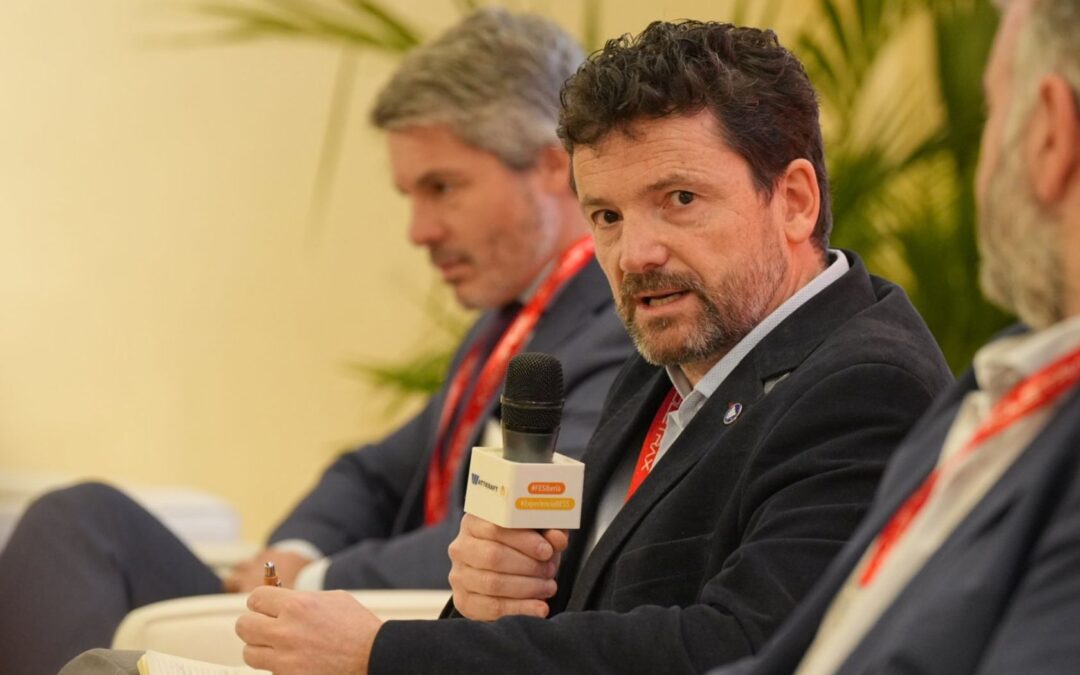
Jesús Heras, Technical Director for SouthWest Europe, warns that the sector needs clear regulatory frameworks to attract investment and consolidate projects. Meanwhile, technological solutions such as containerised battery systems and control platforms developed together with Huawei are gaining traction in industrial self-consumption projects.
Eduardo Oviedo says Honduras must “change the business philosophy” of its state-owned utility to restore financial stability and deliver benefits to citizens.
Coral Energía plans to end 2026 with 260 MW of built capacity and around 400 MW across contracted and pipeline projects, while expanding into large-scale battery storage, corporate PPAs and potential transmission investments.

After adding seven new plants in 2025, the tech giant strengthens Spain as its second-largest renewable investment market worldwide, supporting its goal of net-zero carbon emissions by 2040.
The battery energy storage system (BESS), located in northern Chile, has 46 MW of installed capacity and represents an investment of approximately US$64 million.
Spain added around 11 GW of renewable capacity in 2025 while electricity demand grew by 2.8%, creating a scenario that requires greater system flexibility. In this context, the company is developing battery projects to integrate clean power and support the expansion of electric vehicle charging.
The Panabá project in Yucatán combines 252 MW of wind power with battery storage and was awarded in Mexico’s December energy tender. Genux Power’s CEO says the company plans to join future calls and sees strong investment appetite in the Mexican power sector.
Future Energy Summit is entering the final stage of promotional ticket sales for its upcoming energy sector meetings in the region: FES Caribbean (20 and 21 April in Santo Domingo), FES Guatemala (14 May at the Real InterContinental Guatemala) and FES Mexico (19 May at the Marriott Mexico City Reforma Hotel), which will bring together executives, developers, manufacturers, investors and authorities from the renewable energy market.
Panama’s LPI 01-26 tender for existing power plants received 71 offers—67 from renewable energy projects, mainly hydropower and solar PV—highlighting the growing role of clean generation in the country’s electricity mix.
Rising geopolitical tensions are pushing gas and oil prices higher, exposing Europe’s energy dependence while generating uneven effects across hydrocarbon exporters and importers in Latin America.
The transaction includes more than 1,200 MW of renewable energy assets and represents one of the most significant recent deals in Latin America’s power sector.
Energía Estratégica’s digital catalogue launches its second edition with confirmed manufacturers and developers, expanding its technical platform featuring solar modules, inverters, battery storage systems and trackers.
Martín Mandarano says Argentina’s power sector is returning to market-based dynamics after Resolution 400/2025, with private power purchase agreements, risk management and new infrastructure becoming central as energy demand from lithium mining grows.
The regional energy summit will take place in October, bringing together more than 200 speakers and nearly 3,000 participants from governments, the private sector, multilateral organisations and civil society.
Spain-based developer Energía Aljaval has approved a 2026–2027 strategic plan focused on eight utility-scale solar PV projects with battery energy storage, aiming to reach Ready-to-Build status by 2027 and commercial operation by the end of the decade.
The company will supply batteries for Central Puerto projects in the Buenos Aires metropolitan area (AMBA), which are set to become the largest energy storage development in the country. Speaking at FES Argentina, Lucas Ponce said the main opportunities for the sector will be linked to CAMMESA, as the market launches the new Alma SADI tender.
The Chinese energy technology company introduced its new AI-driven strategy and expanded its portfolio with solutions for residential, commercial & industrial and utility-scale applications, marking a new phase of global growth.
The Future Energy Summit Caribe will take place on 20–21 April in Santo Domingo and will bring together leading companies from the energy sector at a time marked by renewable energy tenders, growing interest in energy storage and challenges related to the reliability of island power systems.
Soltec’s CEO, Mariano Berges, outlines in Energía Estratégica’s streaming series the strategy to relaunch the company after its financial crisis. With a focus on tracker innovation and international expansion, the firm aims to strengthen its presence in the United States and regain leadership in Latin America.
Tomás Fuentealba explained that Sungrow currently has 75 GW of annual energy storage manufacturing capacity and is expanding new factories to reach 110 GW, aiming to capture the opportunities emerging from new projects and tenders across Latin America.
The AlmaSADI call for proposals aims to award 700 MW of BESS capacity. However, Argentina’s wholesale electricity market operator CAMMESA clarified that the total capacity allocated across nodes approaches 1,000 MW, enabling competition not only within regions but also between them. In addition, project locations differ according to system criticality, with some nodes offering advantages over others.
Jesús Heras, Technical Director for SouthWest Europe, warns that the sector needs clear regulatory frameworks to attract investment and consolidate projects. Meanwhile, technological solutions such as containerised battery systems and control platforms developed together with Huawei are gaining traction in industrial self-consumption projects.

Select the sector you
want to know more about
The fifth edition of the event will take place in April in Santo Domingo and will feature representatives from leading companies such as Sungrow, CATL, JA Solar and CIFI. In a market that received bids totalling 1,655 MWp with energy storage, the focus will be on those shaping the regional energy business.
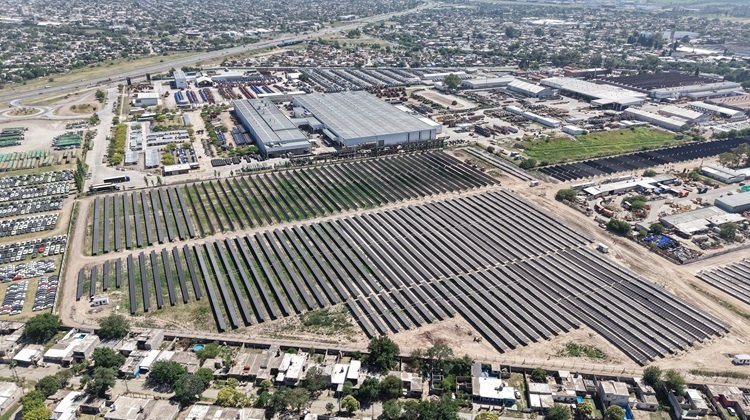
An 8 MW solar PV project now supplies Stellantis’ Córdoba industrial complex with clean electricity, as part of a USD 100 million investment plan to accelerate renewable energy use and decarbonisation in Argentina.
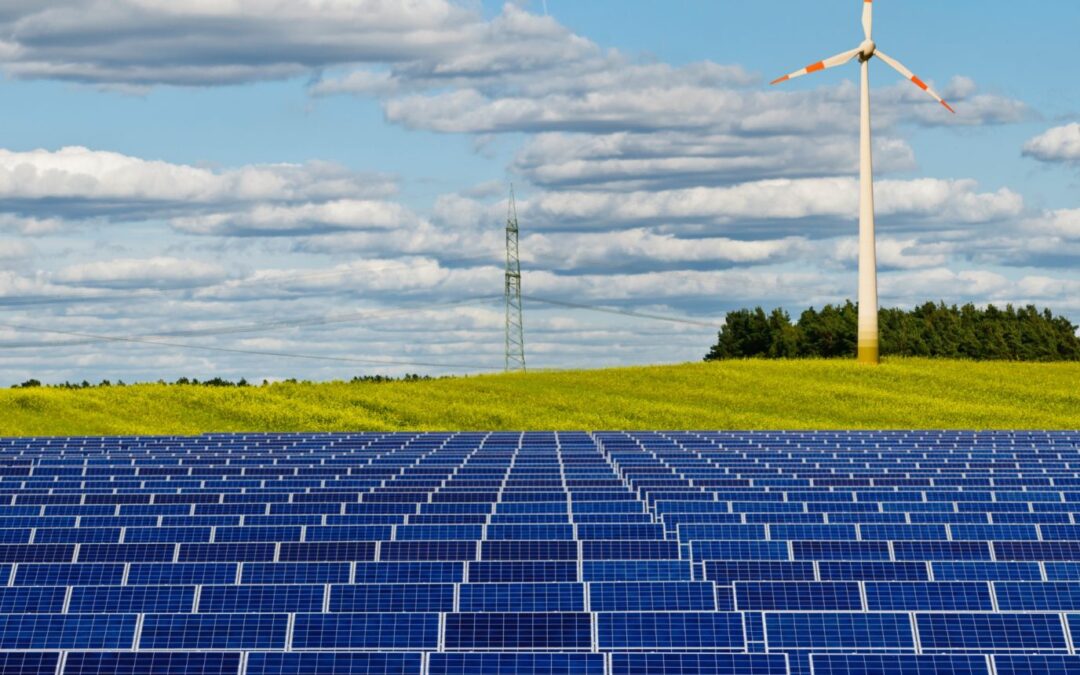
The company is progressing with the Wayra Solar wind–solar complex in Ica, which will exceed 400 MW of installed capacity and is expected to begin commercial operations in the final quarter of the year.