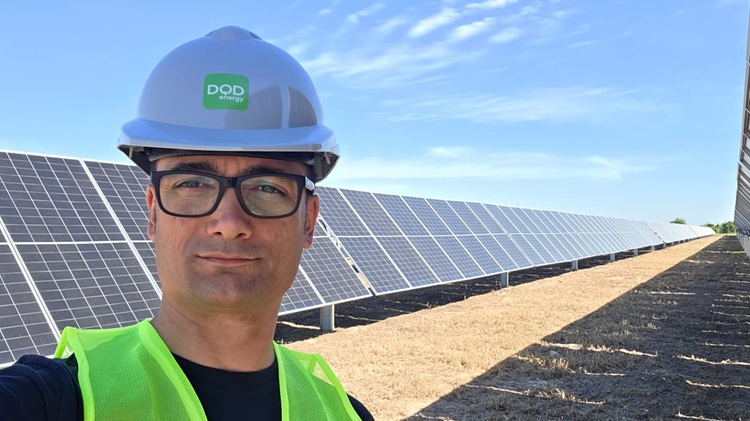

The system operator has begun testing to incorporate new plants capable of regulating voltage in real time, a key step to increase electrical stability and make better use of renewable generation in the Spanish grid.


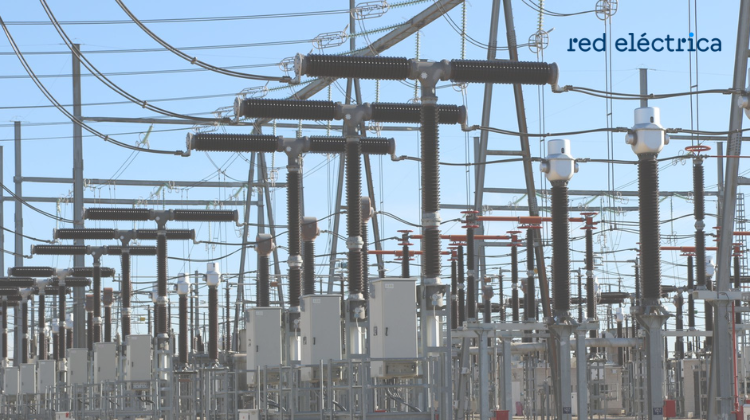
The system operator has begun testing to incorporate new plants capable of regulating voltage in real time, a key step to increase electrical stability and make better use of renewable generation in the Spanish grid.
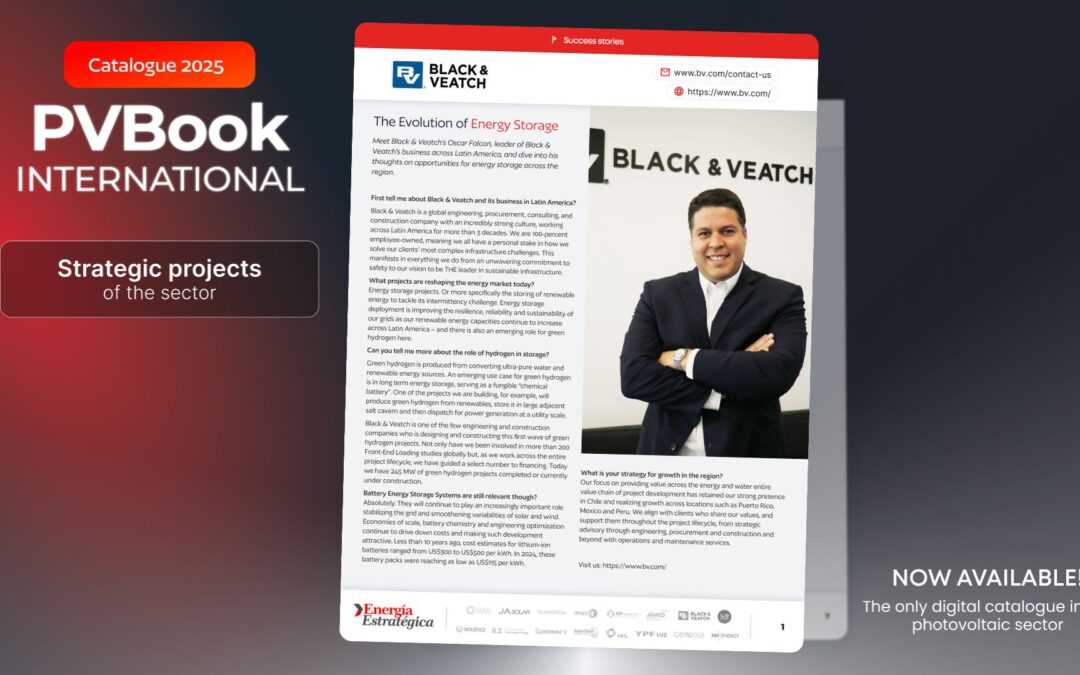
The engineering and construction company is advancing key initiatives in the energy transition, combining H2V and battery projects across strategic countries in Latin America. “We align with clients who share our values,” highlighted Óscar Falcón, Regional Operations Leader.
More than 800 MW move forward across Aragón, Castilla y León, Castilla-La Mancha, Extremadura and Andalucía, while the Valencia region faces setbacks in Statkraft’s projects.
IDAE will grant €657 million in real aid and a further €184 million in additional funding to boost 2.4 GW of new storage capacity. Andalusia, Galicia and Castilla-La Mancha concentrate the majority of the funds.
Renewables accounted for 53.3% of the electricity mix with 11,555 GWh generated. Solar PV led production with a 23.2% share, followed by wind and hydro, amid rising demand and ongoing network access challenges.
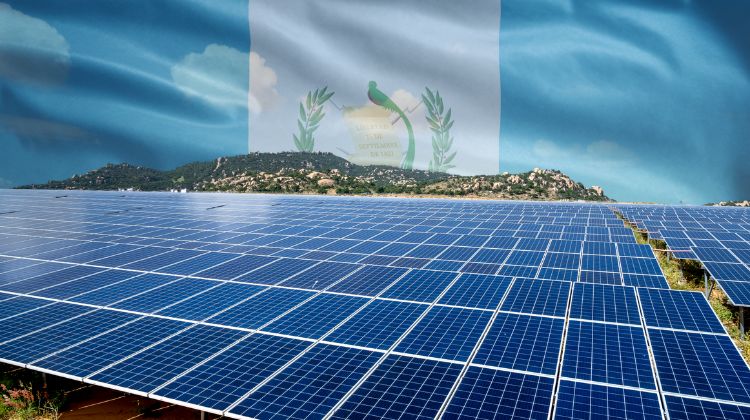
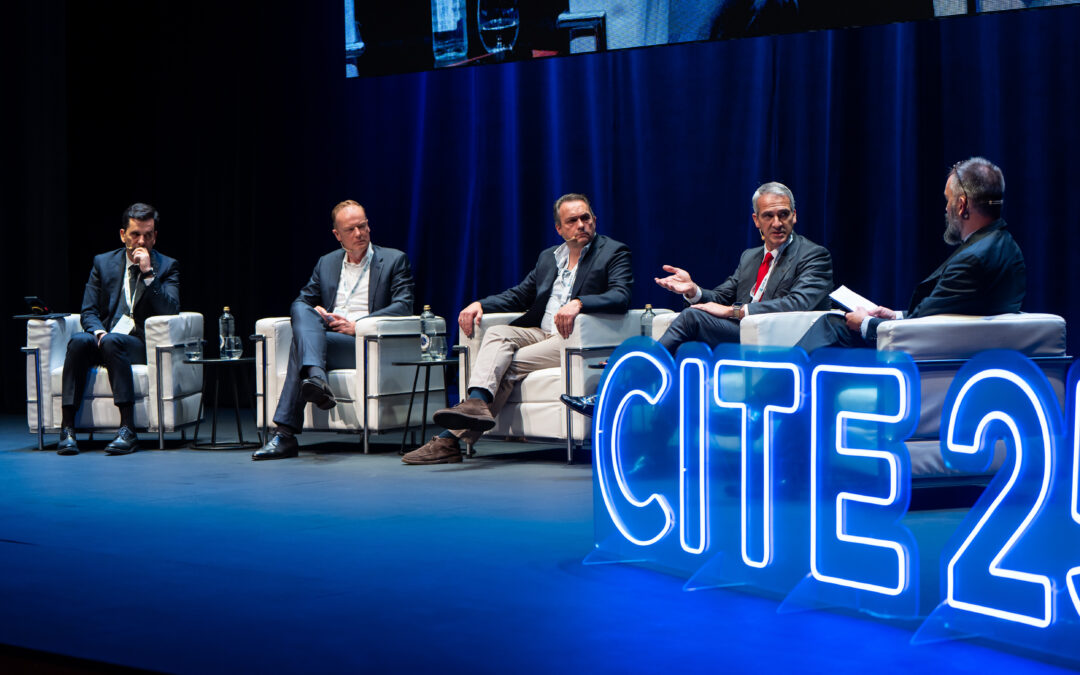
The speakers at the 4th International Congress on Industry for the Energy Transition, organized by Enercluster in collaboration with the Government of Navarre, called for political unity to boost the European value chain as a whole, as well as investment in local networks and infrastructure. At the event, held this Thursday in Baluarte and attended by more than 400 professionals linked to the renewable energy industry, it was also pointed out that driving reindustrialization requires measures beyond subsidies and that the benefits of decarbonization must be better disseminated and communicated to the public.
The electricity-intensive industry is calling for price stabilization to avoid the volatility that affects its bills and is proposing to transfer a significant portion of energy prices and technical restrictions to electricity tolls.
The European Commission unveils seven urgent measures to cut energy prices across the EU, focusing on grids, storage, state aid, and taxation — aiming to deliver swift relief to consumers and industries without waiting for complex legislative reforms.
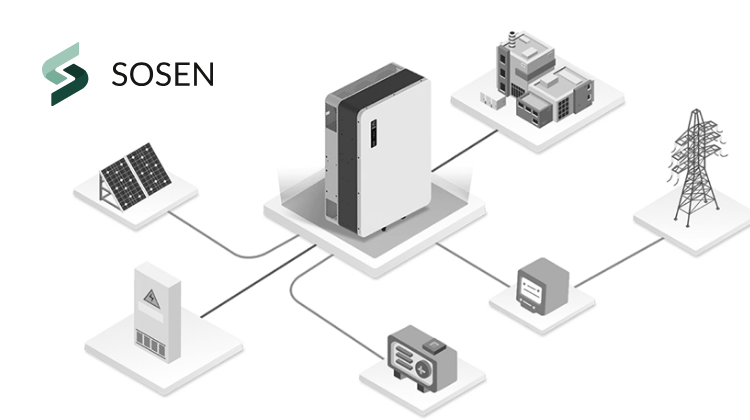
Sosen introduces its SSE-HH40-60K-P3EU model — a high-voltage system featuring simultaneous charging and ultra-fast response, designed to deliver efficiency, backup and autonomy amid potential blackouts and regulatory changes.
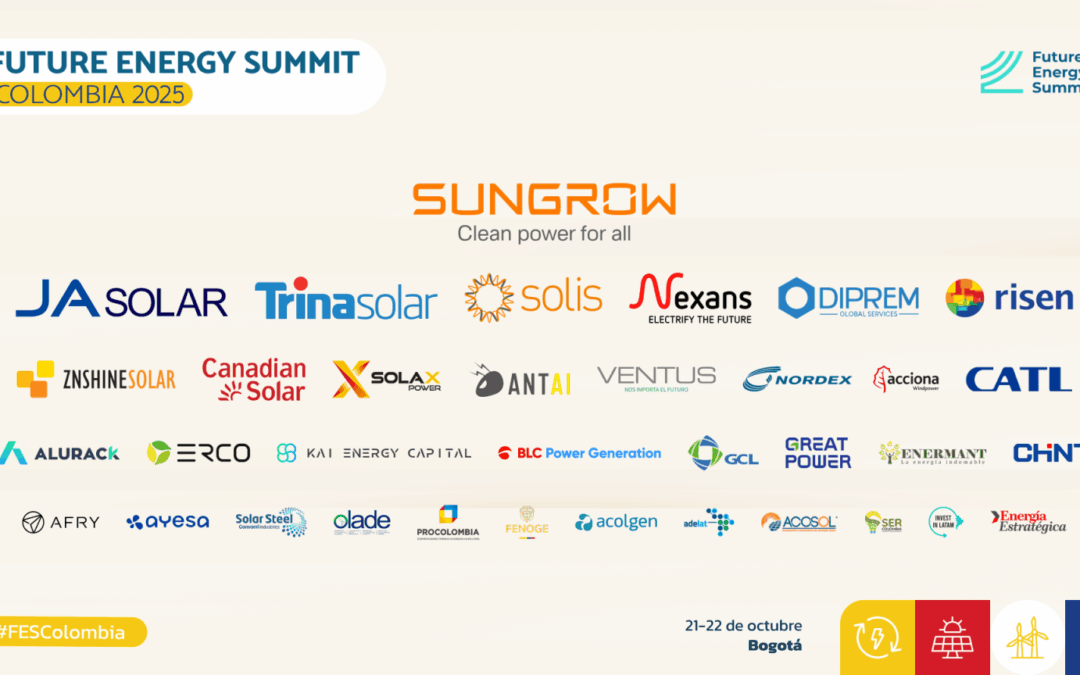
On October 21 and 22, the Hilton Hotel in Bogotá will host the Future Energy Summit (FES) Colombia, where public and private sector leaders will discuss the challenges and opportunities of the energy transition. In a context of regulatory changes and renewable energy expansion, the event will bring together authorities, investors, companies, and international organizations in a space that promises to define the new regional energy agenda.
Around 85% of Spain’s electrical nodes can no longer admit new demand. While the photovoltaic market faces negative prices and excess capacity, developers are redirecting their projects towards data centres and energy storage.
The British Government publishes first ever national plan to recruit workers needed for clean energy mission, with over 400,000 extra jobs by 2030.
Achieving these goals would require doubling the annual rate of renewable energy installation, which stood at 56 GW in 2024, and tripling the installed energy storage capacity by 2040, according to European Commission calculations.
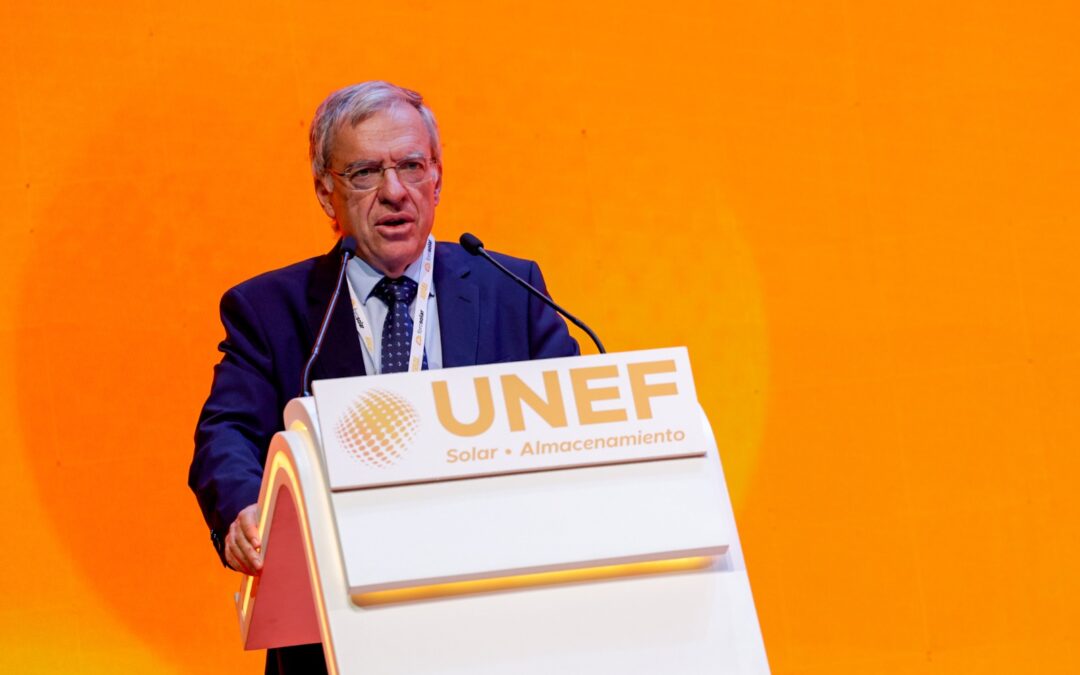
At the sector’s annual congress, the 12th Solar Forum, UNEF Director General José Donoso highlighted the significant reindustrialization opportunity that photovoltaic energy represents for the country, stating that “there is 70 GW of demand, attracted by the low energy prices offered by photovoltaics in Spain.” Redeia President Beatriz Corredor emphasized that “we are working as quickly as possible to implement the new OP 7.4, for which we began permitting last week.”
The Spanish electricity sector warns that the CNMC’s new regulatory proposal, despite certain improvements, continues to hinder the investments needed to electrify demand and meet decarbonization goals. Aelēc denounces inconsistencies between the CNMC and the Ministry for Ecological Transition, inadequate financial limits, and a cut in OPEX that jeopardizes the quality of supply and the viability of the model.
The reform of Royal Decree 413/2014 provides relief for special-regime plants, removes barriers to battery integration, and redefines dispatch priority — generating positive expectations within the sector, albeit with nuances regarding its industrial impact.
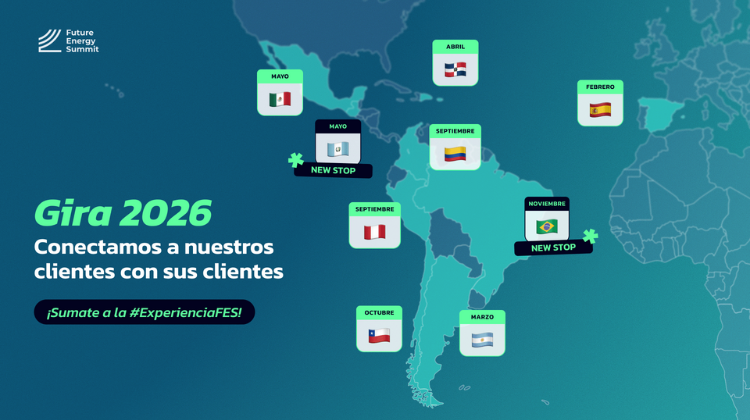
The next year of Future Energy Summit will consolidate its presence in key markets in Europe and Latin America with an international agenda that promotes strategic alliances, technological innovation and regional cooperation to accelerate the energy transition.
With its own engineering and global presence, the Spanish firm stands out in the international catalog developed by Energía Estragica with a proposal that combines hybrid inverters, LiFePO4 batteries, and scalable solutions aimed at solar projects, microgrids, and BESS system integration.
The Minister of Industry and Tourism, Jordi Hereu, will participate in the institutional opening of this biennial event, organized by Enercluster with the special collaboration of the Government of Navarre. For this edition, a program has been prepared with national and international experts in wind, solar, storage, and green hydrogen, who will convene on October 23 at the Baluarte Conference Center in Pamplona.
The Minister of Industry, Energy, and Mines, Jorge Paradela, points out that this is an “essential” investment and that the Regional Government will not accept this “injustice.”
New global progress report flags bottlenecks in investment, grids and supply chains, urging governments for bolder renewable targets before COP30.
The system operator has begun testing to incorporate new plants capable of regulating voltage in real time, a key step to increase electrical stability and make better use of renewable generation in the Spanish grid.
The engineering and construction company is advancing key initiatives in the energy transition, combining H2V and battery projects across strategic countries in Latin America. “We align with clients who share our values,” highlighted Óscar Falcón, Regional Operations Leader.
More than 800 MW move forward across Aragón, Castilla y León, Castilla-La Mancha, Extremadura and Andalucía, while the Valencia region faces setbacks in Statkraft’s projects.
IDAE will grant €657 million in real aid and a further €184 million in additional funding to boost 2.4 GW of new storage capacity. Andalusia, Galicia and Castilla-La Mancha concentrate the majority of the funds.
Renewables accounted for 53.3% of the electricity mix with 11,555 GWh generated. Solar PV led production with a 23.2% share, followed by wind and hydro, amid rising demand and ongoing network access challenges.
The speakers at the 4th International Congress on Industry for the Energy Transition, organized by Enercluster in collaboration with the Government of Navarre, called for political unity to boost the European value chain as a whole, as well as investment in local networks and infrastructure. At the event, held this Thursday in Baluarte and attended by more than 400 professionals linked to the renewable energy industry, it was also pointed out that driving reindustrialization requires measures beyond subsidies and that the benefits of decarbonization must be better disseminated and communicated to the public.
The electricity-intensive industry is calling for price stabilization to avoid the volatility that affects its bills and is proposing to transfer a significant portion of energy prices and technical restrictions to electricity tolls.
The European Commission unveils seven urgent measures to cut energy prices across the EU, focusing on grids, storage, state aid, and taxation — aiming to deliver swift relief to consumers and industries without waiting for complex legislative reforms.
Sosen introduces its SSE-HH40-60K-P3EU model — a high-voltage system featuring simultaneous charging and ultra-fast response, designed to deliver efficiency, backup and autonomy amid potential blackouts and regulatory changes.
On October 21 and 22, the Hilton Hotel in Bogotá will host the Future Energy Summit (FES) Colombia, where public and private sector leaders will discuss the challenges and opportunities of the energy transition. In a context of regulatory changes and renewable energy expansion, the event will bring together authorities, investors, companies, and international organizations in a space that promises to define the new regional energy agenda.
Around 85% of Spain’s electrical nodes can no longer admit new demand. While the photovoltaic market faces negative prices and excess capacity, developers are redirecting their projects towards data centres and energy storage.
The British Government publishes first ever national plan to recruit workers needed for clean energy mission, with over 400,000 extra jobs by 2030.
Achieving these goals would require doubling the annual rate of renewable energy installation, which stood at 56 GW in 2024, and tripling the installed energy storage capacity by 2040, according to European Commission calculations.
At the sector’s annual congress, the 12th Solar Forum, UNEF Director General José Donoso highlighted the significant reindustrialization opportunity that photovoltaic energy represents for the country, stating that “there is 70 GW of demand, attracted by the low energy prices offered by photovoltaics in Spain.” Redeia President Beatriz Corredor emphasized that “we are working as quickly as possible to implement the new OP 7.4, for which we began permitting last week.”
The Spanish electricity sector warns that the CNMC’s new regulatory proposal, despite certain improvements, continues to hinder the investments needed to electrify demand and meet decarbonization goals. Aelēc denounces inconsistencies between the CNMC and the Ministry for Ecological Transition, inadequate financial limits, and a cut in OPEX that jeopardizes the quality of supply and the viability of the model.
The reform of Royal Decree 413/2014 provides relief for special-regime plants, removes barriers to battery integration, and redefines dispatch priority — generating positive expectations within the sector, albeit with nuances regarding its industrial impact.
The next year of Future Energy Summit will consolidate its presence in key markets in Europe and Latin America with an international agenda that promotes strategic alliances, technological innovation and regional cooperation to accelerate the energy transition.
With its own engineering and global presence, the Spanish firm stands out in the international catalog developed by Energía Estragica with a proposal that combines hybrid inverters, LiFePO4 batteries, and scalable solutions aimed at solar projects, microgrids, and BESS system integration.
The Minister of Industry and Tourism, Jordi Hereu, will participate in the institutional opening of this biennial event, organized by Enercluster with the special collaboration of the Government of Navarre. For this edition, a program has been prepared with national and international experts in wind, solar, storage, and green hydrogen, who will convene on October 23 at the Baluarte Conference Center in Pamplona.
The Minister of Industry, Energy, and Mines, Jorge Paradela, points out that this is an “essential” investment and that the Regional Government will not accept this “injustice.”
New global progress report flags bottlenecks in investment, grids and supply chains, urging governments for bolder renewable targets before COP30.

Select the sector you
want to know more about
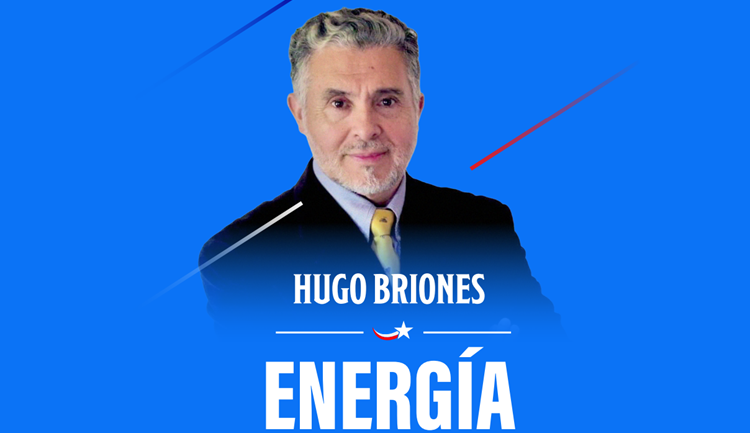
The veteran power sector executive will take office in March 2026, joining President-elect José Antonio Kast’s administration amid regulatory reforms, grid reliability concerns and growing debate over distributed generation and energy storage.
Following regulatory changes under Resolution SE No. 400, Argentina’s electricity market is entering a new phase in which long-term contracting will become essential for large consumers and distributors. Fenix Energy warns that companies delaying procurement decisions could face higher spot exposure and rising marginal prices.
Electricity demand has risen 15% in two years to 14,575 GWh, pushing renewables to 62.3% of the power mix. The government now plans to add 1,000 MW of clean capacity by 2040, backed by grid, storage and digital upgrades.