
PEG-5 auction allocates 1.1 GW of clean energy out of 1.5 GW total, positioning storage-backed renewables at the core of future power system expansion
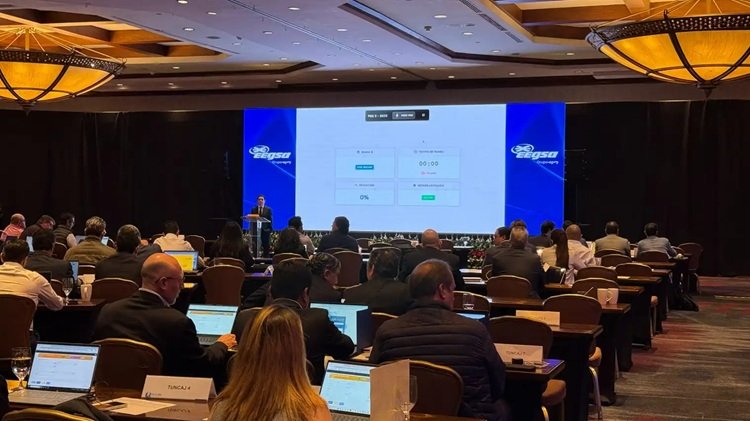


PEG-5 auction allocates 1.1 GW of clean energy out of 1.5 GW total, positioning storage-backed renewables at the core of future power system expansion
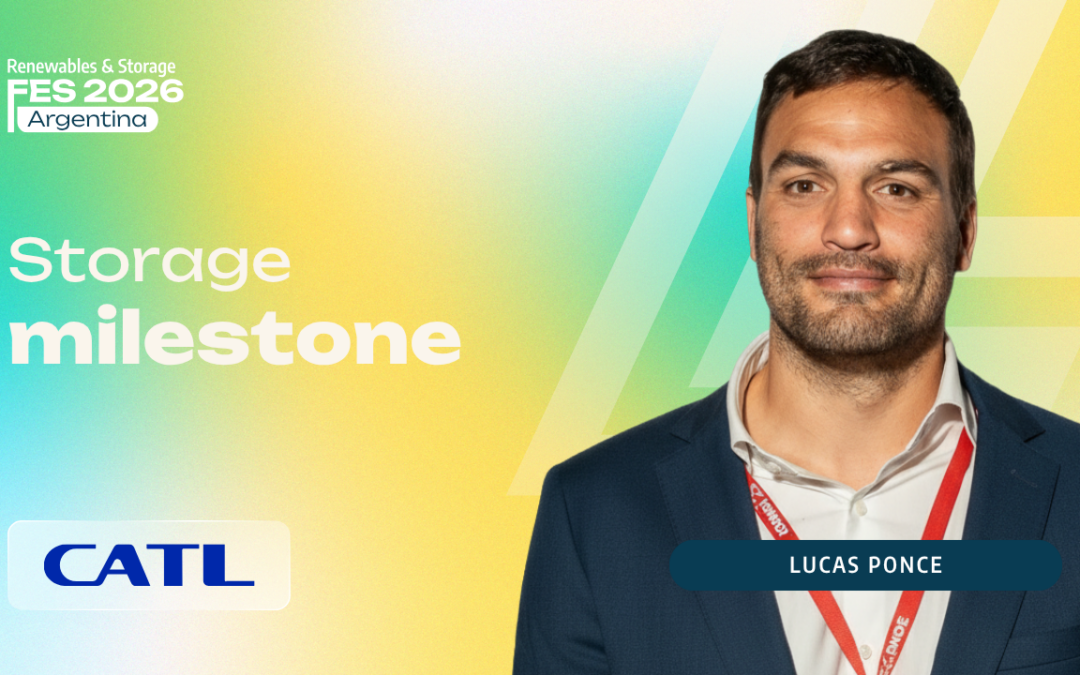
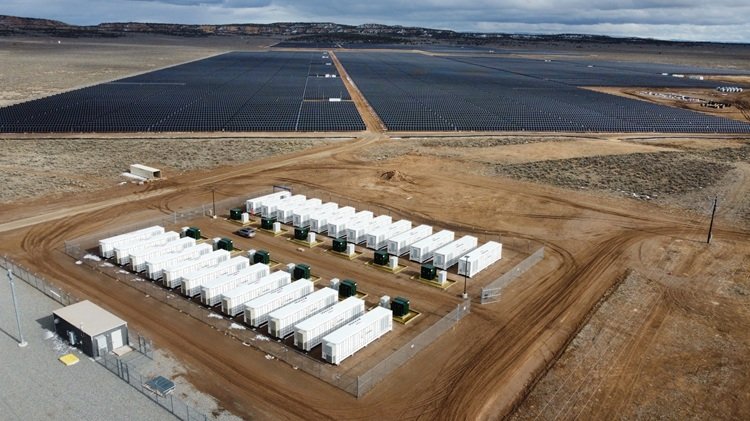
The company is advancing a BESS project exceeding 1 GWh in the country, positioning Argentina as a strategic market amid renewable growth and public tenders such as AlmaGBA and AlmaSADI for storage systems.
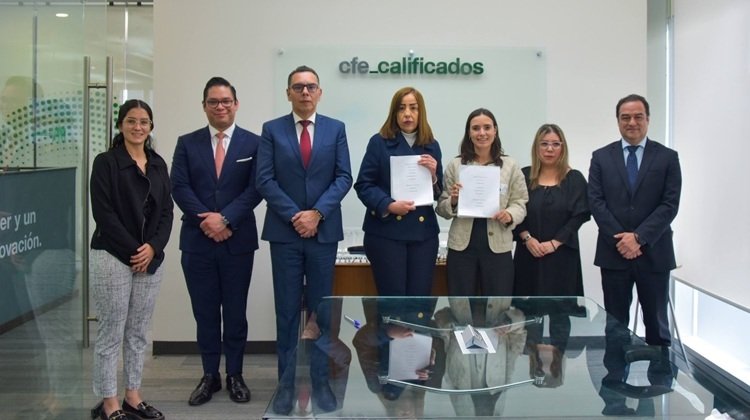
CFE’s qualified supply subsidiary signs power purchase agreements with Copenhagen Infrastructure Partners to integrate two solar PV projects in Campeche, supporting Mexico’s renewable energy and grid reliability strategy.
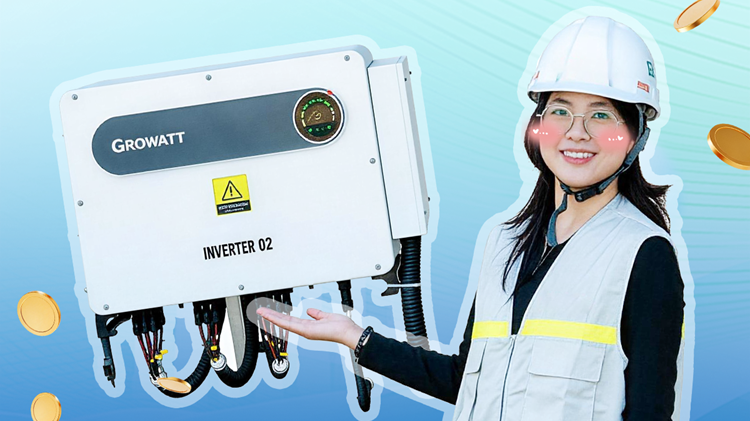
The “Smiles Behind Every Kilowatt” initiative invites solar professionals worldwide to share project experiences, highlighting the human expertise driving renewable energy deployment.
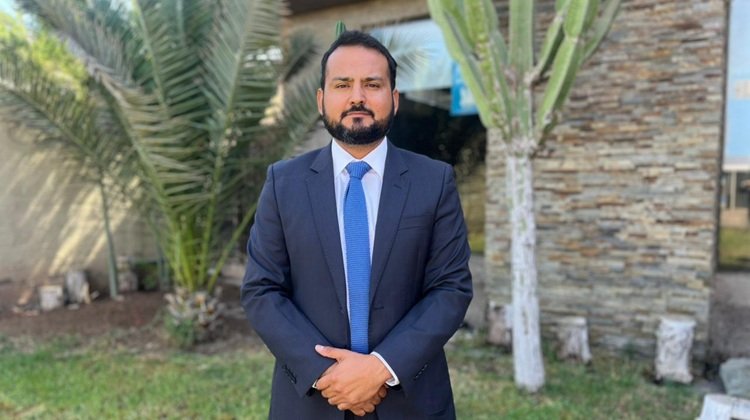
Manuel Nanjarí Contreras, an experienced socioeconomist, will lead energy policy in one of Chile’s key renewable energy regions.
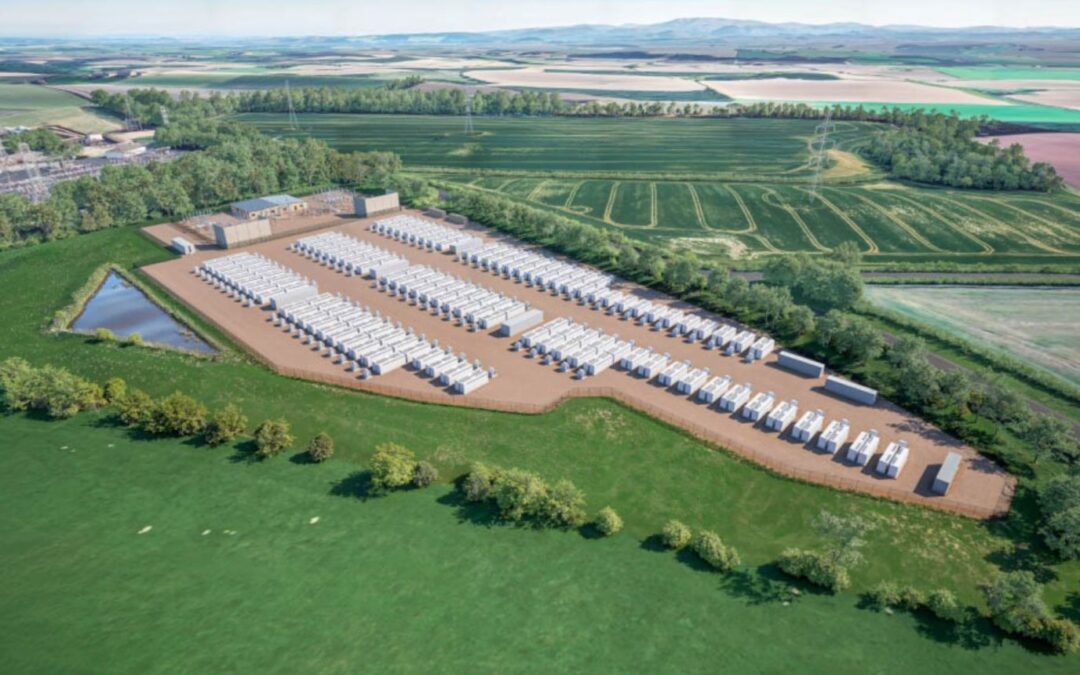
The 500 MW / 2-hour (1 GWh) battery energy storage system will enhance grid flexibility in Great Britain, supporting Clean Power 2035 and Net Zero 2050 targets.
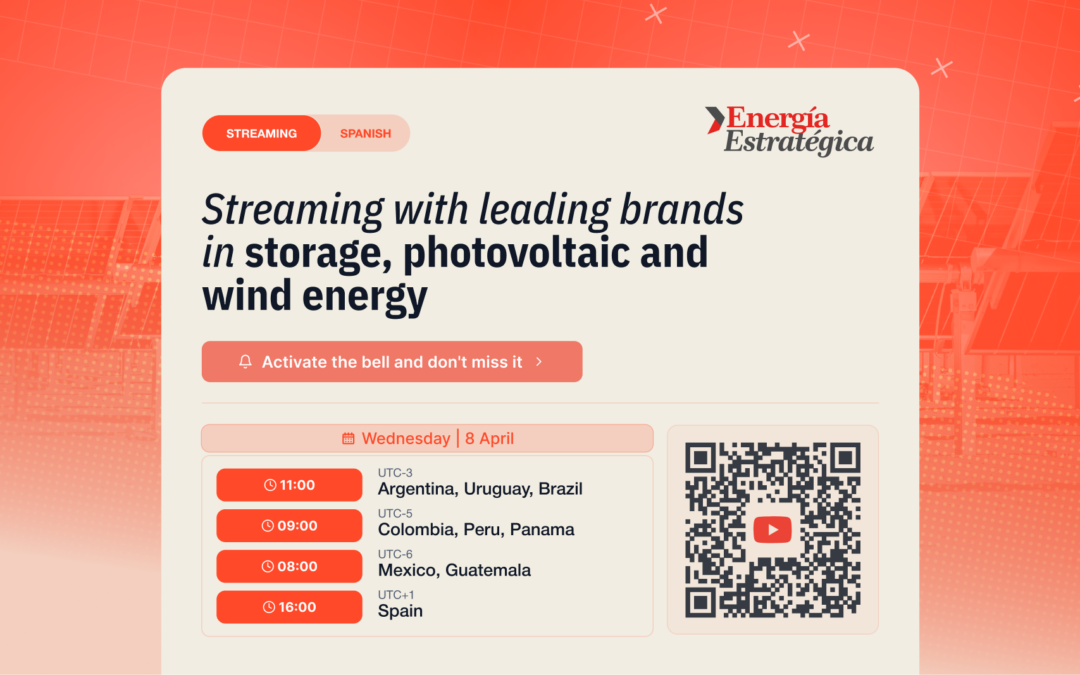
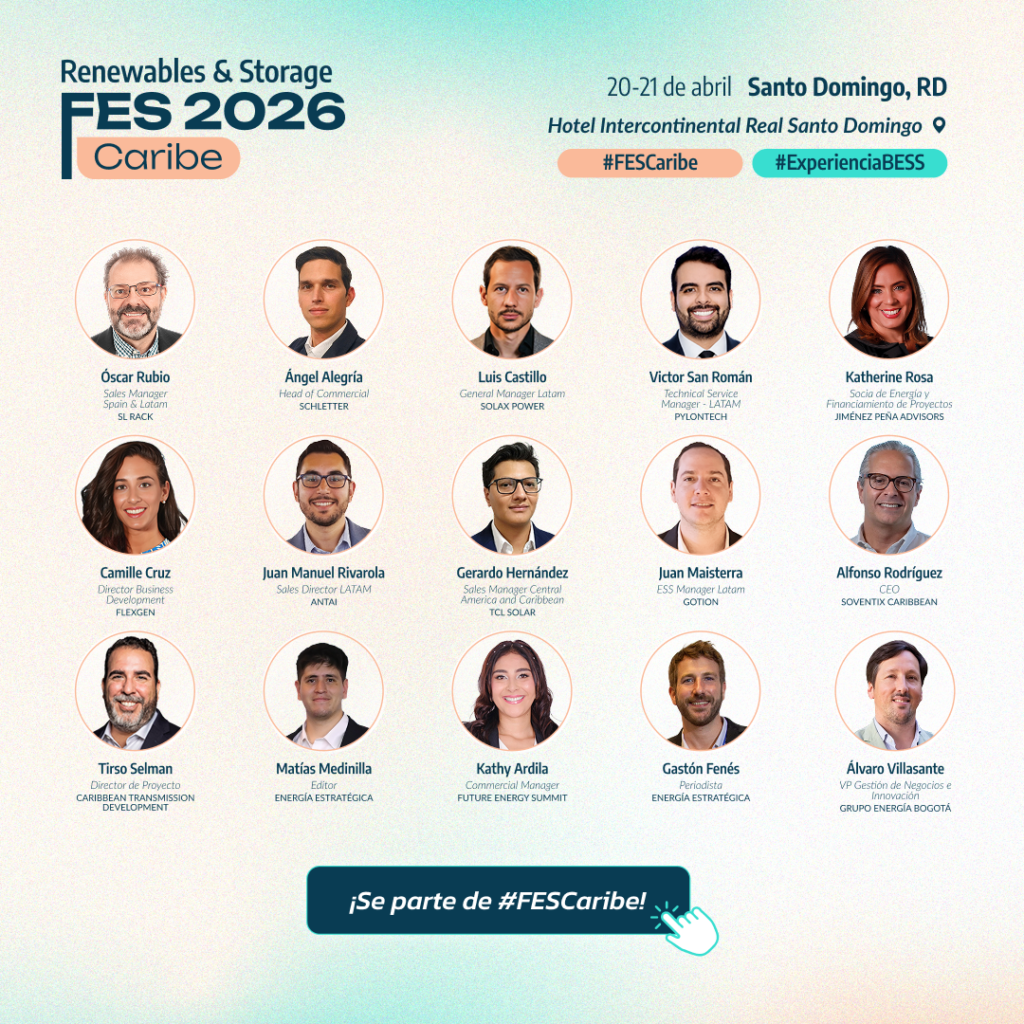
With one week to go before the event, executives from leading companies will analyse key trends in clean generation, technological solutions and contracting models driving the energy transition.
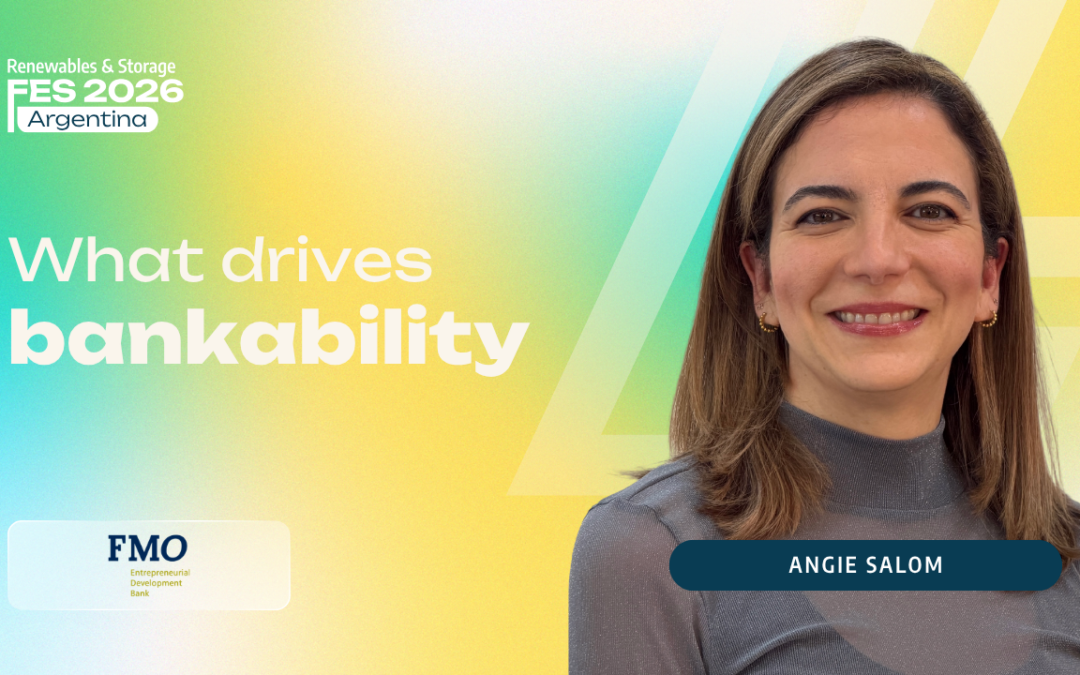
The international lender highlights financial structuring, grid access and regulatory predictability as critical variables in Argentina, while stressing the need to combine local and international capital.
New 2026 regulation introduces long-term contracts integrating storage, generation and grids to boost renewable energy investment, enhance reliability and reduce electricity price volatility.
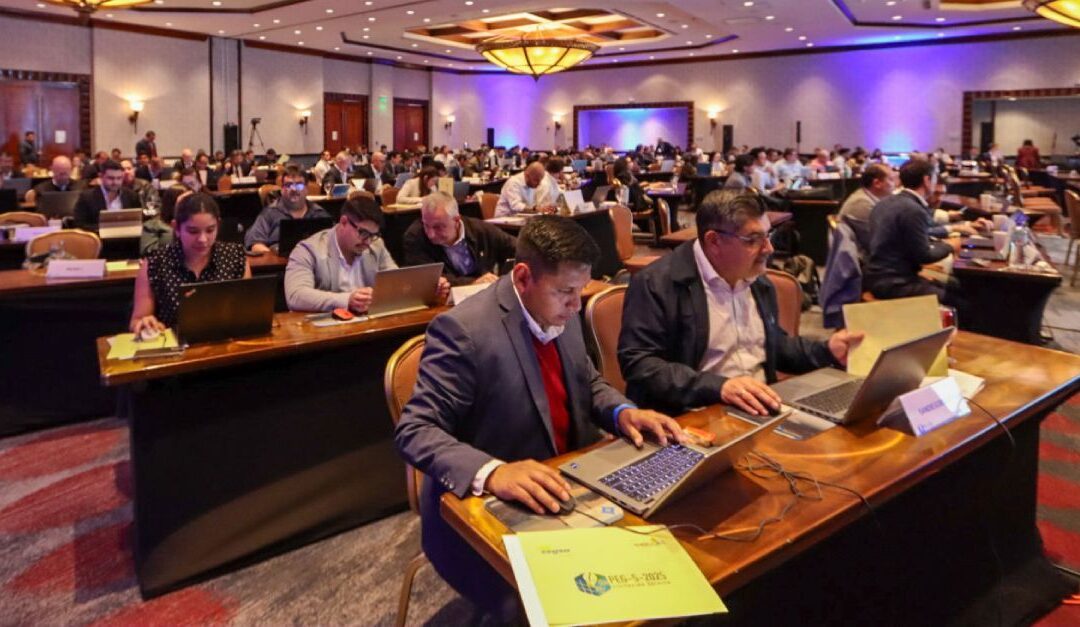
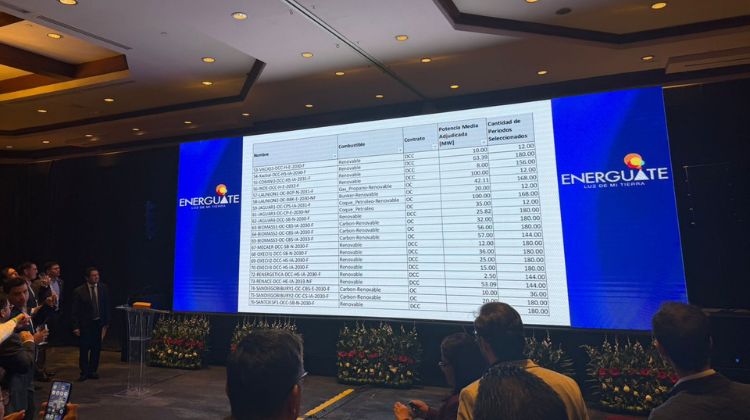
Nearly 50 projects in play and an average price of USD 101/MWh define the PEG-5 landscape, with Tuncaj leading by number of contracts and Consorcio Magdaler standing out in installed capacity with 465.77 MW.
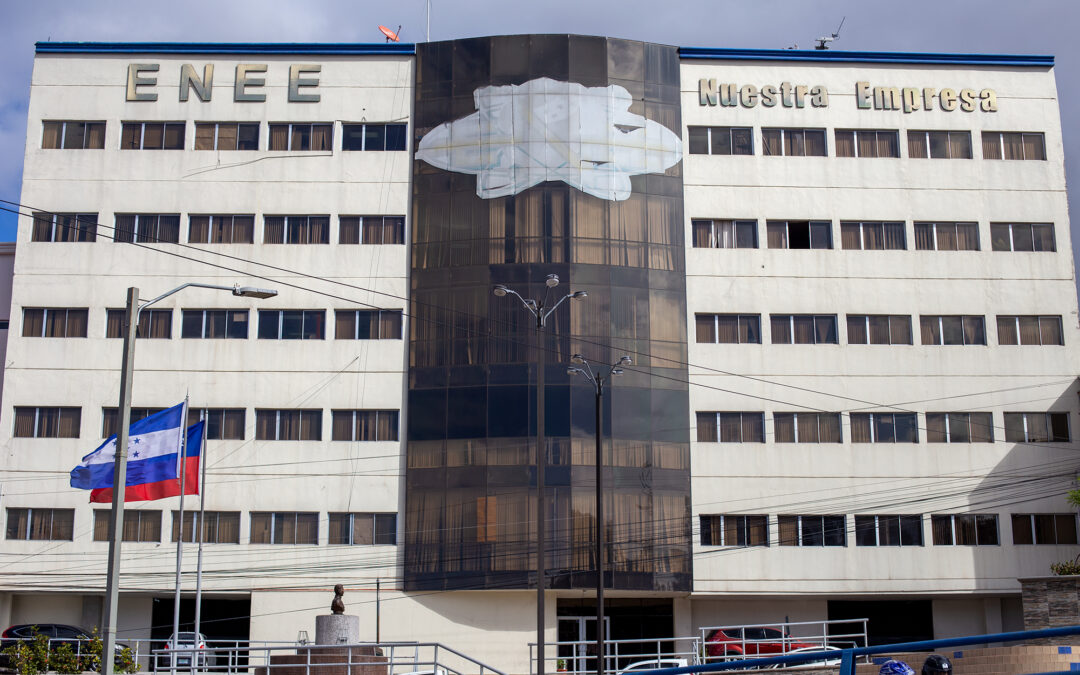
Liabilities with power generators have reached HNL 17.385 billion and accumulated months of delays, affecting project bankability and financing costs. The sector warns that without concrete signals, the country is losing appeal to other markets.
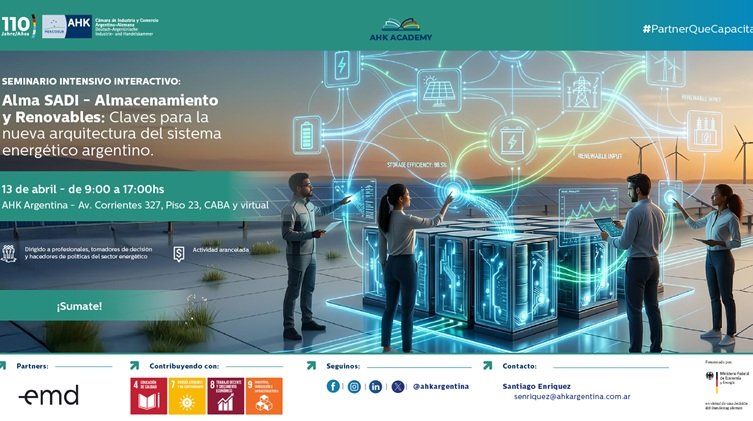
The event, scheduled for 13 April, will address BESS integration with renewable energy, Argentina’s regulatory landscape, market opportunities, technical design, business models, risk analysis and participation strategies in the AlmaSADI tender.
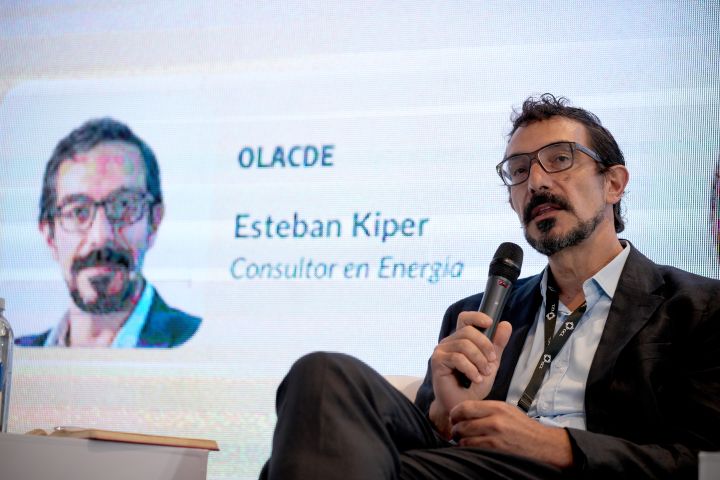
Esteban Kieper, consultant at the Latin American Energy Organization (OLADE), analysed Argentina’s energy transition. The country has reached nearly 19% renewable generation and is entering a phase where renewables begin to compete with natural gas, alongside new storage tenders and transmission projects.
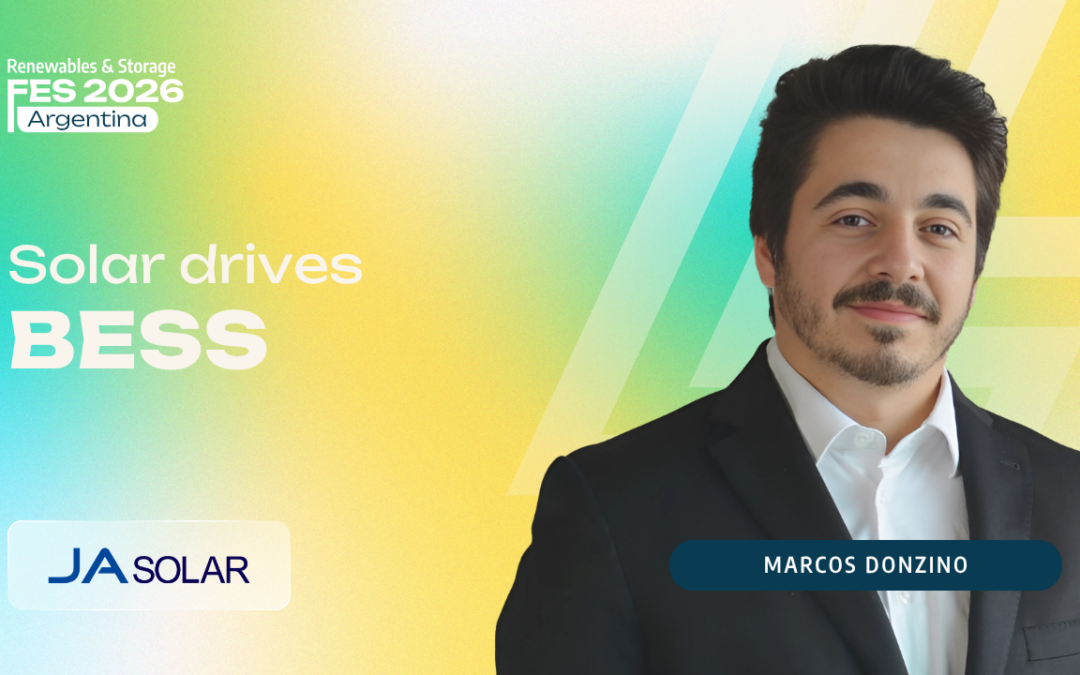
As the country’s solar PV sector expands, storage begins to gain traction, with global manufacturer JA Solar targeting utility-scale and C&I opportunities after reaching 14% global market share and nearly 300 GW in shipments.
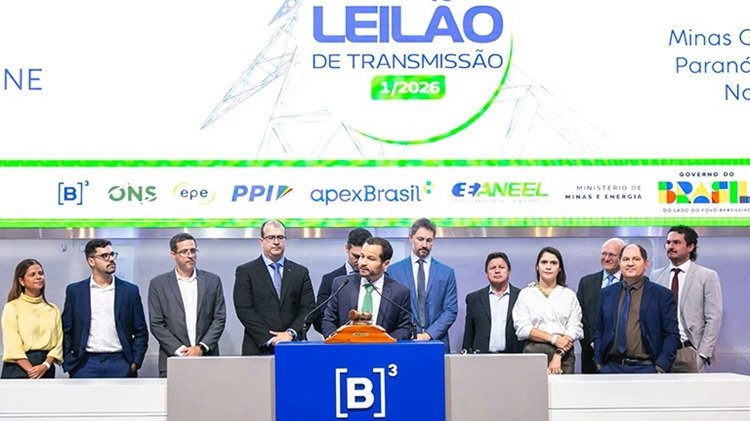
CYMI Brasil, ENGIE and Enind Engenharia secured five lots covering nearly 800 km of new transmission lines. The auction mobilised R$3.3 billion in investment, with a 50.69% tariff discount expected to save consumers R$7.6 billion.
The conflict is once again putting pressure on global energy markets, but not all power systems react in the same way. While gas continues to set prices across much of Europe, countries with high renewable energy penetration are better able to cushion the impact. “When gas sets the price, the transmission is immediate,” warned Marin Gillot.
With a 700 MW storage tender underway, Argentina’s market is entering a critical phase where success will hinge not only on cost per kWh, but on long-term performance, operational strategy and advanced control systems.
After 14 hours of bidding, preliminary results from the reverse auction suggest 48 winning offers—45 including renewable energy—exceeding 1.35 GW of capacity. Official results will be confirmed on 16 April.
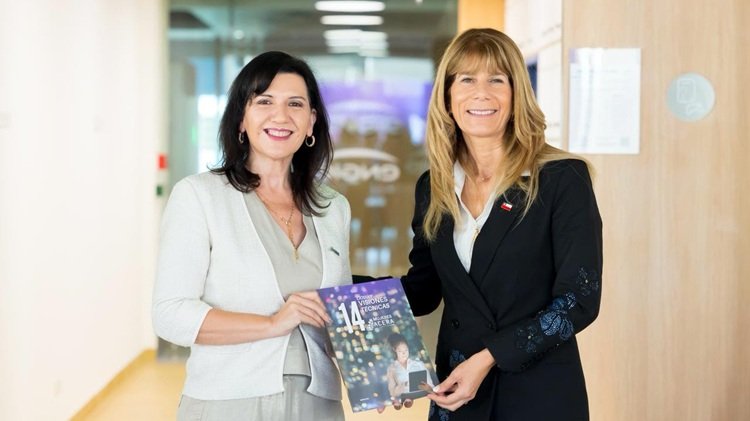
The Chilean Renewable Energy and Storage Association presented a set of policy and technical recommendations aimed at strengthening grid integration, boosting energy storage and reducing the country’s reliance on imported fossil fuels, which still account for 63% of total energy consumption.
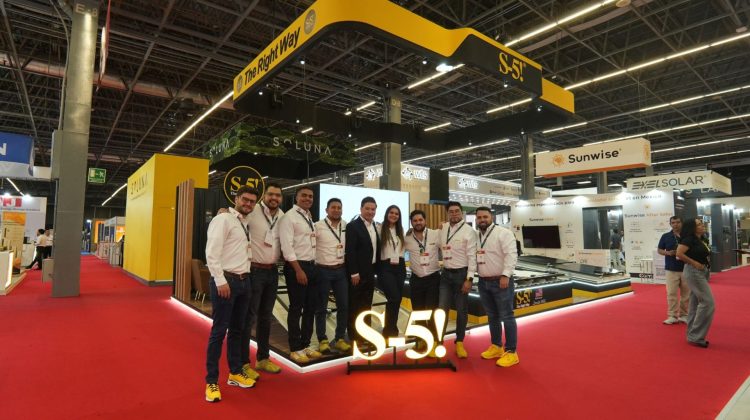
The company will showcase its latest solutions and announce new partnerships during RE+ Mexico, from 14 to 16 April in Guadalajara, Jalisco. Attendees are invited to visit stand #N20 on the exhibition floor, where S-5! experts will deliver training sessions as part of the event’s conference programme.
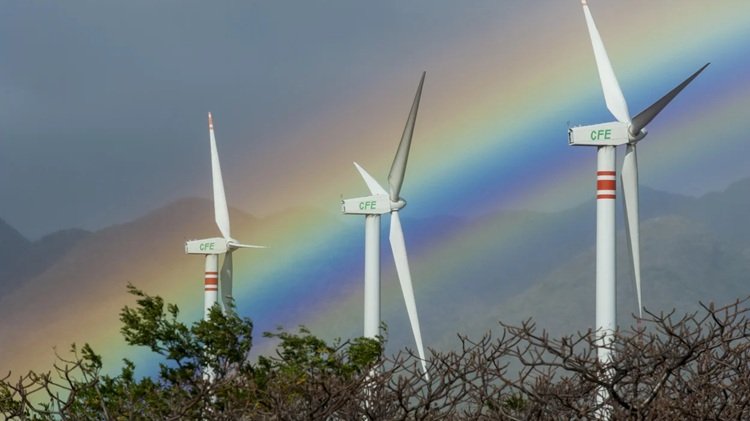
Mexico’s state utility CFE received 222 renewable energy proposals totalling nearly 38 GW—more than five times the capacity initially sought under its new mixed public-private generation scheme.
PEG-5 auction allocates 1.1 GW of clean energy out of 1.5 GW total, positioning storage-backed renewables at the core of future power system expansion
The company is advancing a BESS project exceeding 1 GWh in the country, positioning Argentina as a strategic market amid renewable growth and public tenders such as AlmaGBA and AlmaSADI for storage systems.
CFE’s qualified supply subsidiary signs power purchase agreements with Copenhagen Infrastructure Partners to integrate two solar PV projects in Campeche, supporting Mexico’s renewable energy and grid reliability strategy.
The “Smiles Behind Every Kilowatt” initiative invites solar professionals worldwide to share project experiences, highlighting the human expertise driving renewable energy deployment.
Manuel Nanjarí Contreras, an experienced socioeconomist, will lead energy policy in one of Chile’s key renewable energy regions.
The 500 MW / 2-hour (1 GWh) battery energy storage system will enhance grid flexibility in Great Britain, supporting Clean Power 2035 and Net Zero 2050 targets.
With one week to go before the event, executives from leading companies will analyse key trends in clean generation, technological solutions and contracting models driving the energy transition.
The international lender highlights financial structuring, grid access and regulatory predictability as critical variables in Argentina, while stressing the need to combine local and international capital.
New 2026 regulation introduces long-term contracts integrating storage, generation and grids to boost renewable energy investment, enhance reliability and reduce electricity price volatility.

Nearly 50 projects in play and an average price of USD 101/MWh define the PEG-5 landscape, with Tuncaj leading by number of contracts and Consorcio Magdaler standing out in installed capacity with 465.77 MW.
Liabilities with power generators have reached HNL 17.385 billion and accumulated months of delays, affecting project bankability and financing costs. The sector warns that without concrete signals, the country is losing appeal to other markets.
The event, scheduled for 13 April, will address BESS integration with renewable energy, Argentina’s regulatory landscape, market opportunities, technical design, business models, risk analysis and participation strategies in the AlmaSADI tender.
Esteban Kieper, consultant at the Latin American Energy Organization (OLADE), analysed Argentina’s energy transition. The country has reached nearly 19% renewable generation and is entering a phase where renewables begin to compete with natural gas, alongside new storage tenders and transmission projects.
As the country’s solar PV sector expands, storage begins to gain traction, with global manufacturer JA Solar targeting utility-scale and C&I opportunities after reaching 14% global market share and nearly 300 GW in shipments.
CYMI Brasil, ENGIE and Enind Engenharia secured five lots covering nearly 800 km of new transmission lines. The auction mobilised R$3.3 billion in investment, with a 50.69% tariff discount expected to save consumers R$7.6 billion.

The conflict is once again putting pressure on global energy markets, but not all power systems react in the same way. While gas continues to set prices across much of Europe, countries with high renewable energy penetration are better able to cushion the impact. “When gas sets the price, the transmission is immediate,” warned Marin Gillot.
With a 700 MW storage tender underway, Argentina’s market is entering a critical phase where success will hinge not only on cost per kWh, but on long-term performance, operational strategy and advanced control systems.
After 14 hours of bidding, preliminary results from the reverse auction suggest 48 winning offers—45 including renewable energy—exceeding 1.35 GW of capacity. Official results will be confirmed on 16 April.
The Chilean Renewable Energy and Storage Association presented a set of policy and technical recommendations aimed at strengthening grid integration, boosting energy storage and reducing the country’s reliance on imported fossil fuels, which still account for 63% of total energy consumption.
The company will showcase its latest solutions and announce new partnerships during RE+ Mexico, from 14 to 16 April in Guadalajara, Jalisco. Attendees are invited to visit stand #N20 on the exhibition floor, where S-5! experts will deliver training sessions as part of the event’s conference programme.
Mexico’s state utility CFE received 222 renewable energy proposals totalling nearly 38 GW—more than five times the capacity initially sought under its new mixed public-private generation scheme.

Select the sector you
want to know more about
PEG-5 auction allocates 1.1 GW of clean energy out of 1.5 GW total, positioning storage-backed renewables at the core of future power system expansion
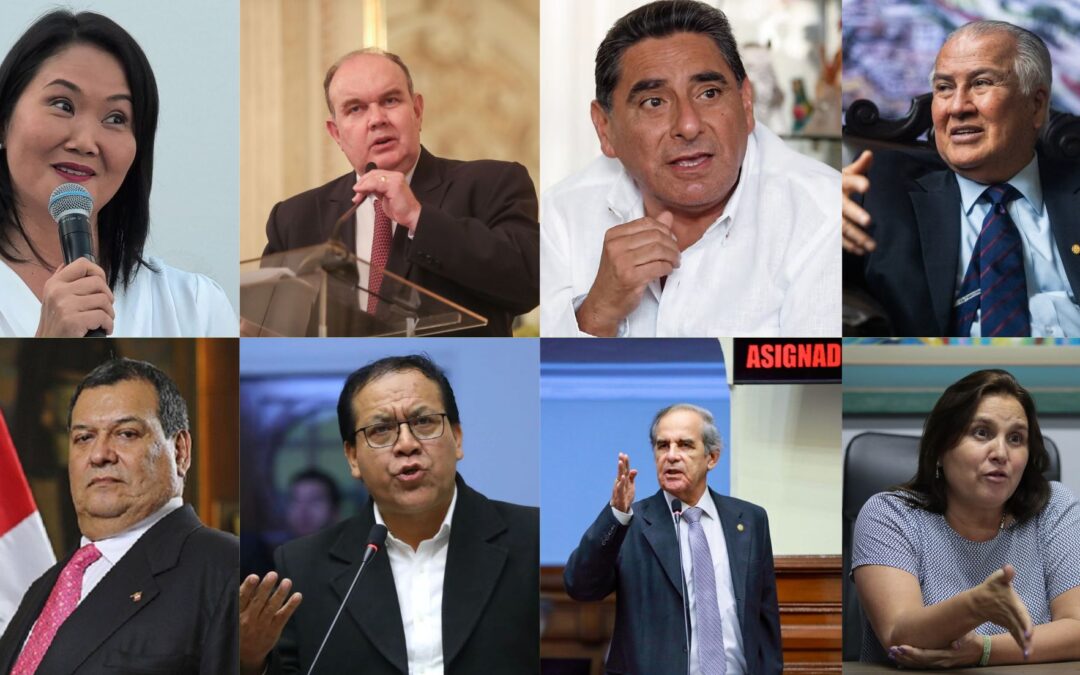
Less than a week before the 12 April elections, Peru faces a highly fragmented landscape and widespread voter indecision, with nearly one-third of the electorate still undecided. At the same time, leading candidates broadly agree on promoting renewable energy, albeit with limited policy detail, as the sector anticipates strong growth and awaits the regulation of Law 32249.
The company is advancing a BESS project exceeding 1 GWh in the country, positioning Argentina as a strategic market amid renewable growth and public tenders such as AlmaGBA and AlmaSADI for storage systems.