
The company’s recurring net profit – excluding the impact of asset rotation and the Gasoducto Sur Peruano (GSP) award – reached 310.1 million euros in 2024, 3.2% higher than in 2023.
Spain is moving forward with its nuclear phase-out, but the insufficient growth of wind power and storage raises concerns about system stability. The IEA warns that without firm backup, the country will rely on gas to ensure electricity supply.
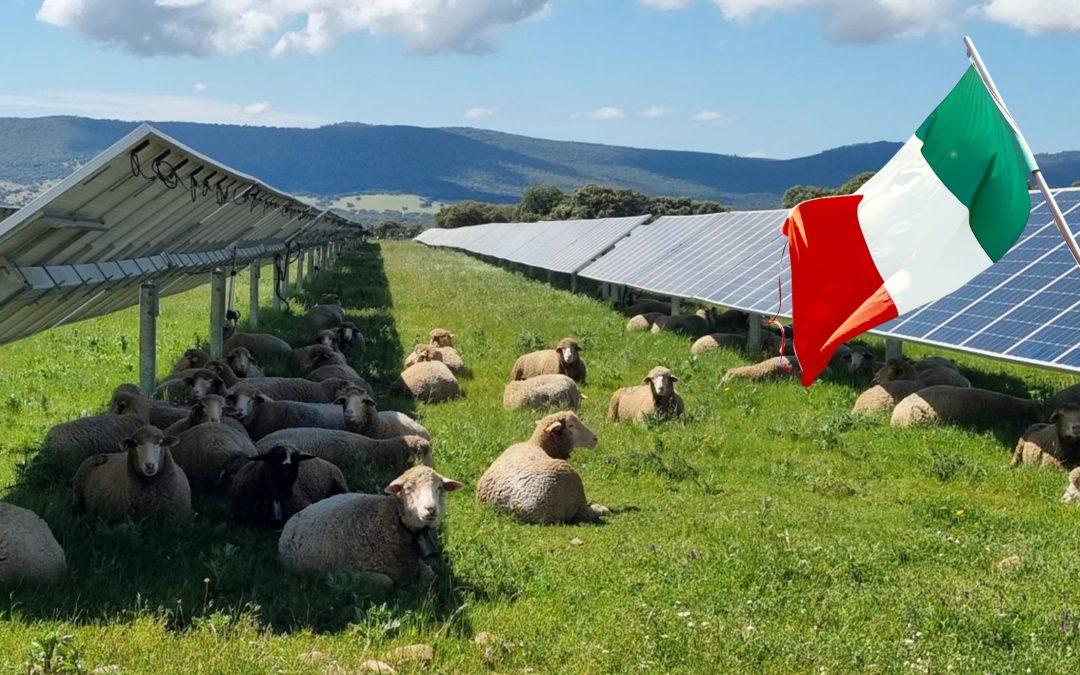
The agricultural sector already contributes 11% of the country’s renewable energy production, with the potential to reach 22% by 2030. A report by the Confagricoltura Agroenergy Observatory analyzes the potential of this technology.
Experts point out that the auction design does not guarantee the feasibility of the awarded projects. Manuel Pessanha, from Synertics, argues that the incentive model should be restructured to ensure its long-term effectiveness.
Terna has announced the results of the 2026 Asta Madre, with 38,405 MW of capacity assigned between national and foreign sources. The total cost of the auction amounted to €1.816 billion, with a significant presence of electrochemical storage in the newly awarded capacity.
Envatios, Iberdrola, and Brezo Desarrollos Lead Renewable Project Processing with Over 550 MW Approved
The country increased its photovoltaic capacity by more than 5.2 GW in 2023 and exceeded 3.3 GW in the first half of 2024. However, the growth of wind energy remains lagging, and the transmission grid faces critical challenges in ensuring the system’s stability.
The country is advancing in its energy transition strategy with a total of 128 offshore wind projects in the environmental permitting process, amounting to a capacity of 81.3 GW, according to a survey conducted by Strategic Energy Europe based on data published by the MASE. Companies such as Avenhexicon, Acciona Energía, and Renexia are leading the transformation of the offshore sector. Complete list of projects at the bottom of the article.
Although non-binding, congress has sent a message to the government urging it to reconsider abandoning nuclear power in the energy mix. The measure creates uncertainty for renewable investments, fuels the debate on nuclear competitiveness, and raises concerns about grid stability.
The Ministry of Environment and Energy Security (MASE) establishes a roadmap to consolidate decarbonization, energy security, and sustainable development in Italy.
The Portuguese government has established a new regulatory framework for the authorization of energy storage facilities. The updated regulation, published in the Diário da República, aims to promote the integration of renewable energy sources and strengthen the resilience of the national electricity system.
The French automotive company Snop has selected EDP to develop solar power plants at its facilities in France, Spain, and Germany, accelerating its sustainability goals. This partnership also strengthens EDP’s position as a leader in decentralized solar energy in Europe and enhances its ability to serve multinational clients seeking such solutions across different markets.
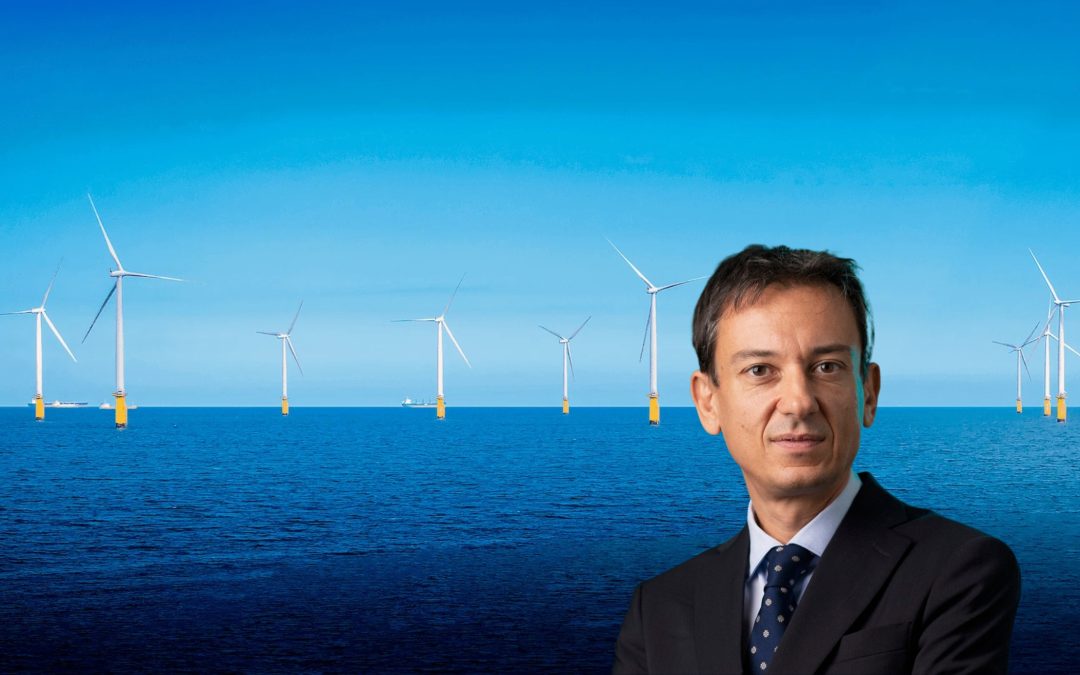
The FER 2 Decree establishes a Contract for Difference for offshore wind energy with a base price of €185/MWh. According to Michele Scoppio, CEO of Gruppo Hope, the industry is calling for tariff structure adjustments due to rising CAPEX. Additionally, the Ports Decree will modernize key infrastructure for the sector’s development.
The European Commission has approved more than 8 million euros for Scale Gas, a subsidiary of Enagás, to deploy six renewable hydrogen refueling stations in Spain. These will be part of the Atlantic and Mediterranean corridors of the Trans-European Transport Network (TEN-T).
Industry sources warn that there is little room left to lower investment costs, and instead, a growth trend of between 5% and 10% is being observed.
The Spanish government, through IDAE, has announced the first call results for renewable hydrogen incentives. With €1.2 billion in funding, selected projects will enhance large-scale hydrogen production, strengthen industrial applications, and advance Spain’s leadership in Europe’s energy transition.
With its first international project finance agreement, R. Power strengthens its presence in the European renewable energy market. The €38.6 million financing from CaixaBank and BPI will support the development of solar plants with a total capacity of 68 MWp, including new constructions and asset refinancing.
With €426 million in clean tech investments, the Iberian Peninsula is emerging as a key European hub. Despite record-breaking early-stage funding, growth-stage investments remain a challenge. Ambitious policy updates in Spain and Portugal signal a commitment to green reindustrialization, but strategic action is needed to secure long-term competitiveness. As the Clean Industrial Deal launches in 2025, will Iberia capitalize on its momentum and establish itself as a clean tech powerhouse?
Portugal has awarded more than 500 MW in its first large-scale storage auction, marking a milestone in its energy transition. However, the requirement that at least 75% of battery charging must come from renewable sources presents an operational and economic challenge for awardees.
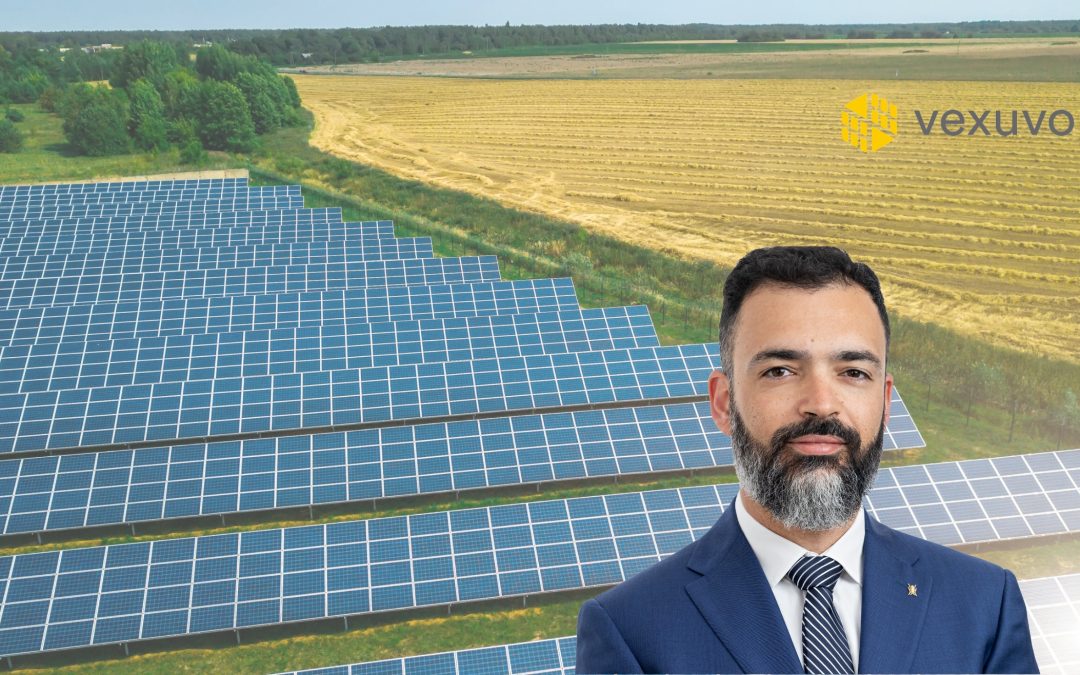
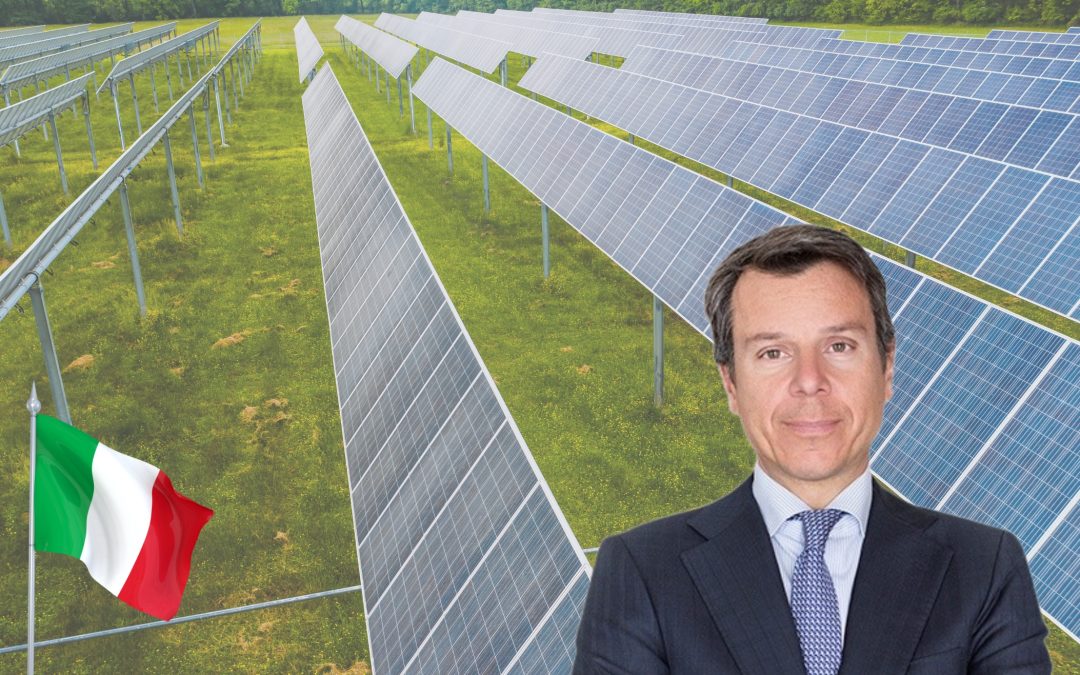
With about 3 GW of renewable projects under development and an innovative approach to agrivoltaics and storage, Filippo Fontana, Coo of vexuvo, details how the Italian company is consolidating its position in the market, overcoming regulatory challenges, with concrete plans to start construction of its first plants in 2025 and achieve sustained growth until 2028.
Italy introduces regulatory changes to accelerate renewable energy permits. However, Eugenio Tranchino, Head of Italy and Partner at Watson Farley & Williams, states that the slow granting of permits and administrative inefficiency remain obstacles that jeopardize the achievement of the 2030 climate goals.
The company’s recurring net profit – excluding the impact of asset rotation and the Gasoducto Sur Peruano (GSP) award – reached 310.1 million euros in 2024, 3.2% higher than in 2023.
Spain is moving forward with its nuclear phase-out, but the insufficient growth of wind power and storage raises concerns about system stability. The IEA warns that without firm backup, the country will rely on gas to ensure electricity supply.
The agricultural sector already contributes 11% of the country’s renewable energy production, with the potential to reach 22% by 2030. A report by the Confagricoltura Agroenergy Observatory analyzes the potential of this technology.
Experts point out that the auction design does not guarantee the feasibility of the awarded projects. Manuel Pessanha, from Synertics, argues that the incentive model should be restructured to ensure its long-term effectiveness.
Terna has announced the results of the 2026 Asta Madre, with 38,405 MW of capacity assigned between national and foreign sources. The total cost of the auction amounted to €1.816 billion, with a significant presence of electrochemical storage in the newly awarded capacity.
Envatios, Iberdrola, and Brezo Desarrollos Lead Renewable Project Processing with Over 550 MW Approved
The country increased its photovoltaic capacity by more than 5.2 GW in 2023 and exceeded 3.3 GW in the first half of 2024. However, the growth of wind energy remains lagging, and the transmission grid faces critical challenges in ensuring the system’s stability.
The country is advancing in its energy transition strategy with a total of 128 offshore wind projects in the environmental permitting process, amounting to a capacity of 81.3 GW, according to a survey conducted by Strategic Energy Europe based on data published by the MASE. Companies such as Avenhexicon, Acciona Energía, and Renexia are leading the transformation of the offshore sector. Complete list of projects at the bottom of the article.
Although non-binding, congress has sent a message to the government urging it to reconsider abandoning nuclear power in the energy mix. The measure creates uncertainty for renewable investments, fuels the debate on nuclear competitiveness, and raises concerns about grid stability.
The Ministry of Environment and Energy Security (MASE) establishes a roadmap to consolidate decarbonization, energy security, and sustainable development in Italy.
The Portuguese government has established a new regulatory framework for the authorization of energy storage facilities. The updated regulation, published in the Diário da República, aims to promote the integration of renewable energy sources and strengthen the resilience of the national electricity system.
The French automotive company Snop has selected EDP to develop solar power plants at its facilities in France, Spain, and Germany, accelerating its sustainability goals. This partnership also strengthens EDP’s position as a leader in decentralized solar energy in Europe and enhances its ability to serve multinational clients seeking such solutions across different markets.
The FER 2 Decree establishes a Contract for Difference for offshore wind energy with a base price of €185/MWh. According to Michele Scoppio, CEO of Gruppo Hope, the industry is calling for tariff structure adjustments due to rising CAPEX. Additionally, the Ports Decree will modernize key infrastructure for the sector’s development.
The European Commission has approved more than 8 million euros for Scale Gas, a subsidiary of Enagás, to deploy six renewable hydrogen refueling stations in Spain. These will be part of the Atlantic and Mediterranean corridors of the Trans-European Transport Network (TEN-T).
Industry sources warn that there is little room left to lower investment costs, and instead, a growth trend of between 5% and 10% is being observed.
The Spanish government, through IDAE, has announced the first call results for renewable hydrogen incentives. With €1.2 billion in funding, selected projects will enhance large-scale hydrogen production, strengthen industrial applications, and advance Spain’s leadership in Europe’s energy transition.
With its first international project finance agreement, R. Power strengthens its presence in the European renewable energy market. The €38.6 million financing from CaixaBank and BPI will support the development of solar plants with a total capacity of 68 MWp, including new constructions and asset refinancing.
With €426 million in clean tech investments, the Iberian Peninsula is emerging as a key European hub. Despite record-breaking early-stage funding, growth-stage investments remain a challenge. Ambitious policy updates in Spain and Portugal signal a commitment to green reindustrialization, but strategic action is needed to secure long-term competitiveness. As the Clean Industrial Deal launches in 2025, will Iberia capitalize on its momentum and establish itself as a clean tech powerhouse?
Portugal has awarded more than 500 MW in its first large-scale storage auction, marking a milestone in its energy transition. However, the requirement that at least 75% of battery charging must come from renewable sources presents an operational and economic challenge for awardees.
With about 3 GW of renewable projects under development and an innovative approach to agrivoltaics and storage, Filippo Fontana, Coo of vexuvo, details how the Italian company is consolidating its position in the market, overcoming regulatory challenges, with concrete plans to start construction of its first plants in 2025 and achieve sustained growth until 2028.
Italy introduces regulatory changes to accelerate renewable energy permits. However, Eugenio Tranchino, Head of Italy and Partner at Watson Farley & Williams, states that the slow granting of permits and administrative inefficiency remain obstacles that jeopardize the achievement of the 2030 climate goals.
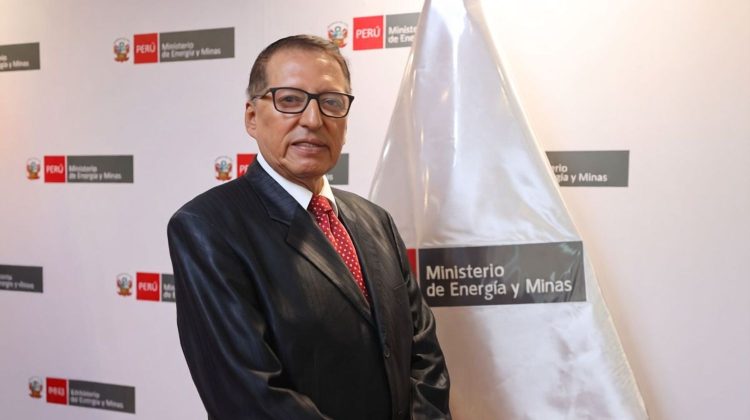
With more than 25 years of experience in the power sector, Pereira takes office at a critical juncture, with over 10 GW of renewable projects under development, USD 12 billion in investments awaiting regulation, and presidential elections scheduled for 2026.
The president met with Mexico’s leading banks to request tailored financing schemes for renewable generation and power transmission projects to be announced shortly. One day later, the state-owned utility CFE formalised a new regulatory framework allowing mixed contracts with private companies, sharing investment, risk and operations under profitability and sustainability rules.
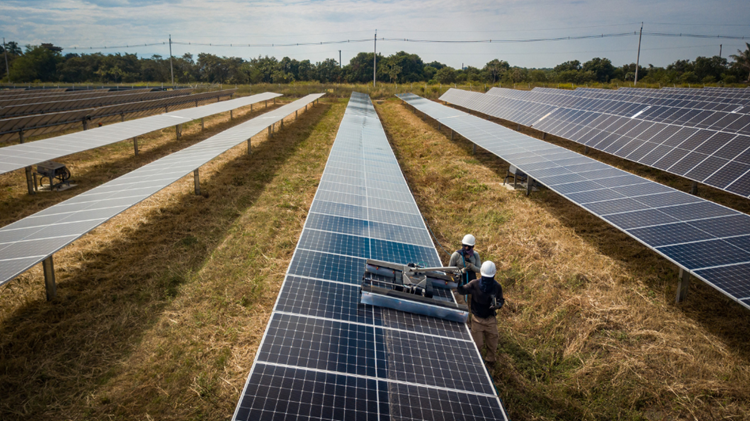
The 375 MW Puerta de Oro solar park strengthens Ventus’ renewable asset management portfolio in Latin America, surpassing 1 GW under operation and maintenance.