
Spain’s national markets and competition regulator has approved permanent amendments to electricity operating procedures 3.1, 3.2 and 7.2, aimed at curbing abrupt voltage fluctuations and strengthening grid stability.
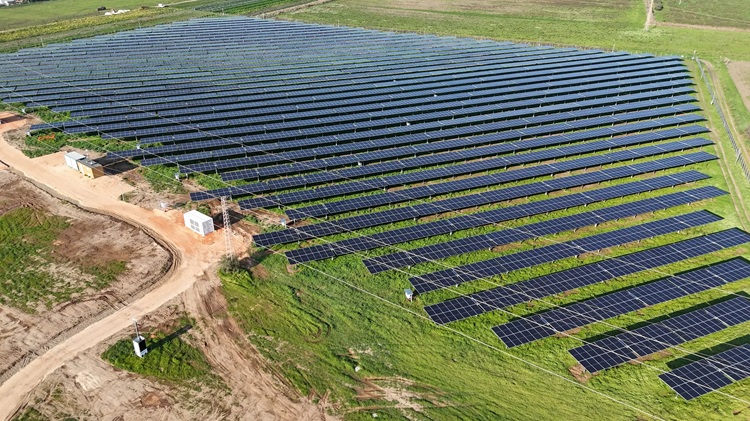
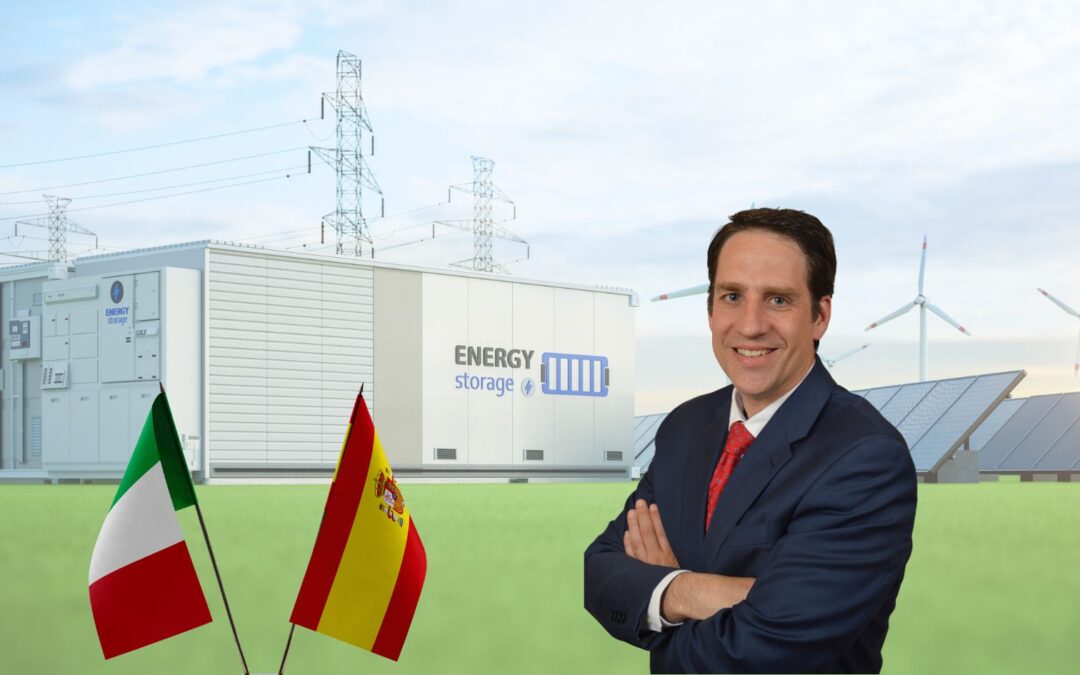
The approximately €13 million senior debt package relates to the construction of the Ginosa (Puglia, 6.5 MWdc) and Bellomo (Sicily, 9.5 MWdc) solar plants. The transaction was signed with the Italian bank BPER. Together, the projects will displace an estimate of 8,500 tons of CO2 emission per year and generate enough clean electricity to power the equivalent of 10,000 Italian homes.
The call is aimed at emerging technologies such as agrivoltaics, floating solar PV, collective self-consumption and renewable integration in infrastructure projects. It requires the integration of battery storage or hydraulic systems, the use of European-manufactured equipment, and projects that can be implemented before 2030.
The Spanish Wind Energy Association (AEE) warns that more than 4,500 MW of onshore wind capacity must be installed each year until 2030 to reach the target of 59 GW. In 2024, only 1,186 MW were added. The sector is calling for regulatory certainty, fewer administrative barriers and a more balanced tax framework to accelerate deployment.
The drop in captured prices to below €5/MWh is reinforcing buyer caution. “Clients are unwilling to sign contracts at €35 or €40 per MWh; they are looking at around €25 to €32/MWh at most,” warns Álvaro de Simón, advisor at ASB Renewables Consulting.
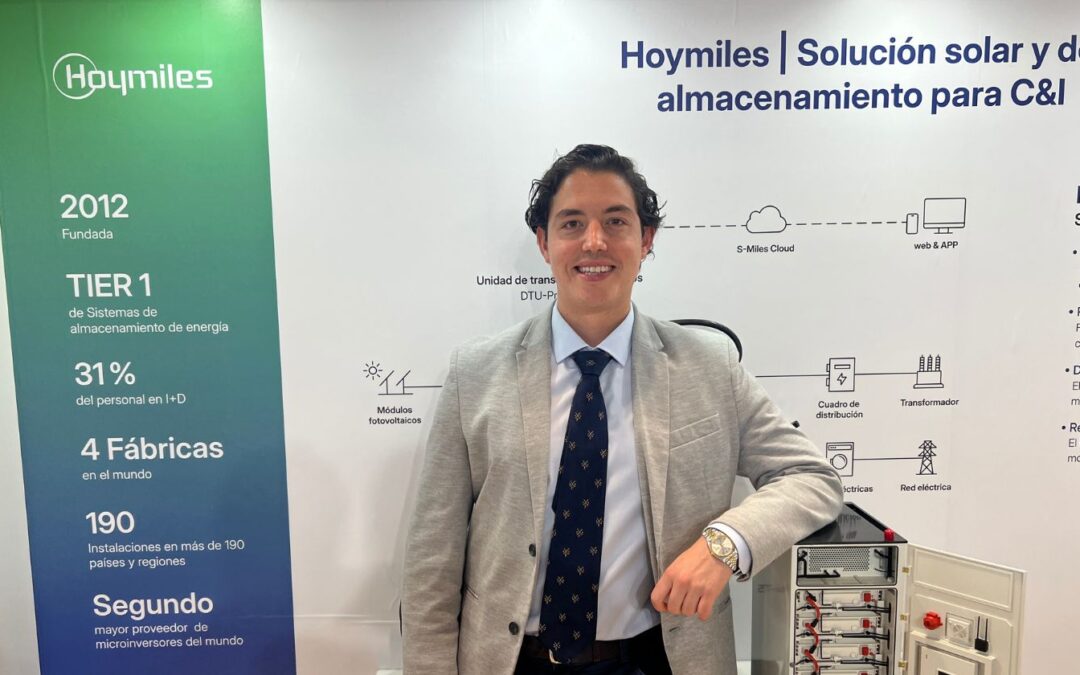
As storage gains ground and the urgency for energy autonomy intensifies, the COUNTRY MANAGER outlines his vision for a “hot” market moment: more incentives, less dependency, and a wide-open field for scaling up. At Hoymiles, the company is backing a clear formula to take the lead over competitors, based on a mature and stable supply chain, a focus on 10 to 30 MW projects, and the speed required to gain volume.
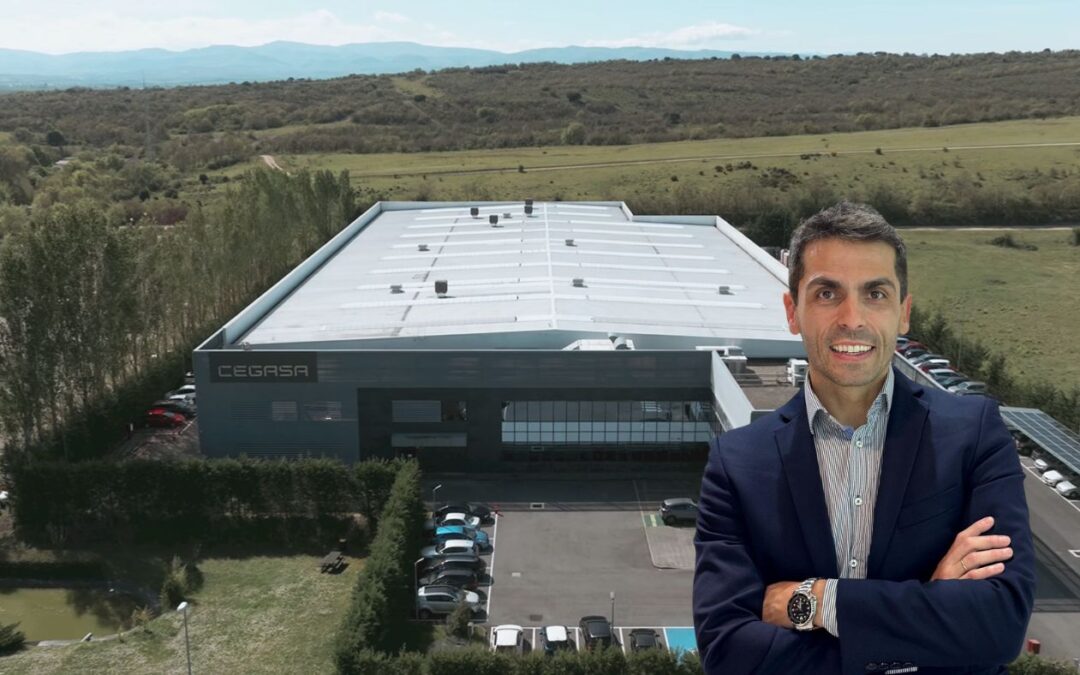
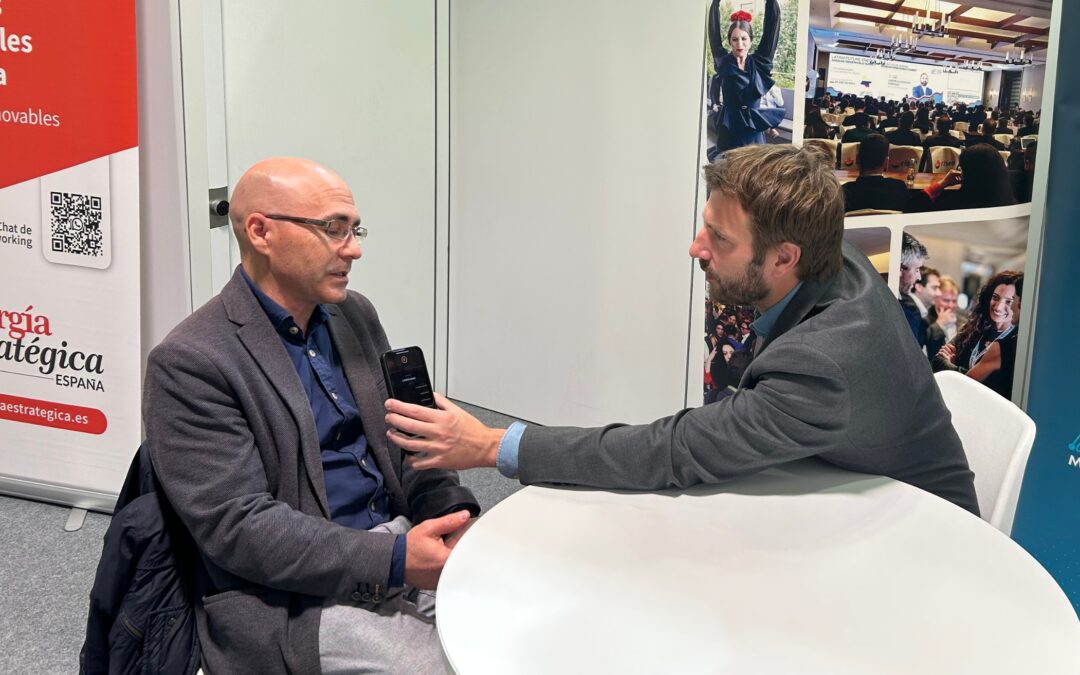
The new Cegasa industrial facility will reach 600 MWh per year in its first phase and will triple that figure by 2027. In an exclusive interview with Energía Estratégica, Carlos Infante details the technological profile of the BESS systems, their application in large-scale projects, and analyses the factors that are accelerating the Spanish energy storage market.
The FEDER programme achieved a specific cost of €64933/MWh for stand-alone storage systems, compared with the €111000/MWh estimated for MACSE in Italy. Although Italian projects have an average duration of seven hours, versus four hours under the Spanish scheme, “the Spanish approach appears to have been more efficient for the public administration,” said Raúl García, director of ASEALEN.
The latest decision by Spain’s National Commission for Markets and Competition (CNMC) establishes a new regulatory framework that redefines the technical criteria used to assess grid-access applications for electricity consumption, covering both large industrial users and battery energy storage systems (BESS) connected to the power system. As part of the rollout, on 2 February the national transmission system operator, Red Eléctrica de España (REE), will launch a new digital tool.
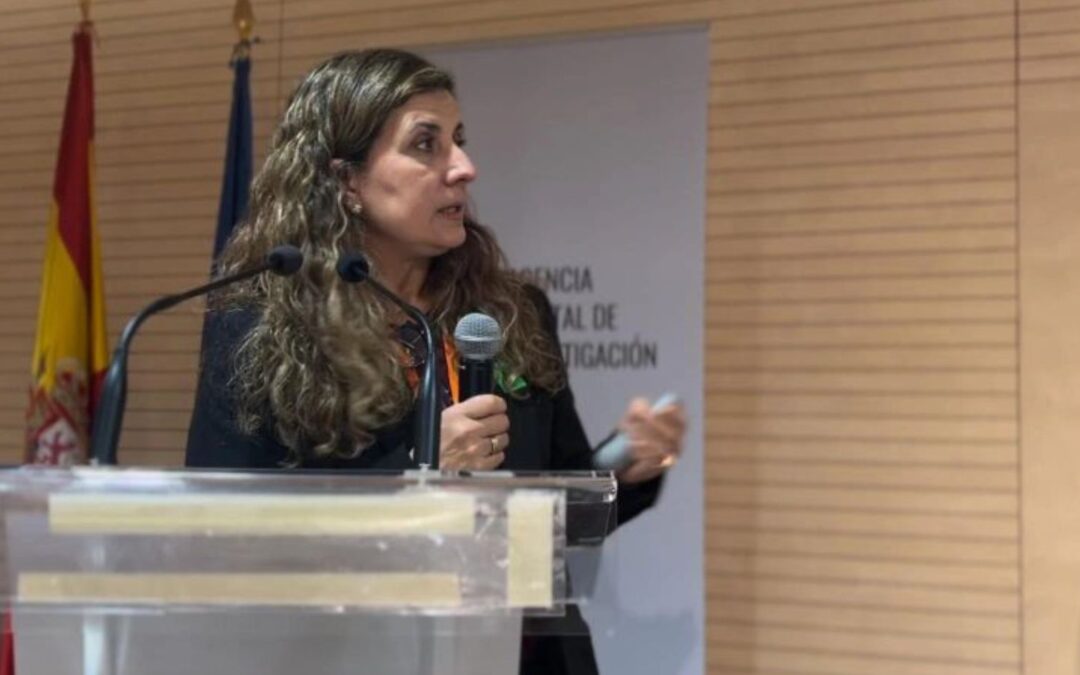
Carmen López, Director of Renewable Energy and the Electricity Market at Spain’s Institute for Energy Diversification and Saving (IDAE), outlined the new funding lines soon to be launched to deploy the remaining EU budget, boosting prospects for storage, repowering and innovative renewable solutions.
During an exclusive interview with Energía Estratégica at Genera 2025, the company’s Regional Director for Southern Europe outlined why this is a decisive moment for integrating energy storage with grid-flexibility services, and revealed the commercial milestones guiding the firm’s entry into new strategic markets.
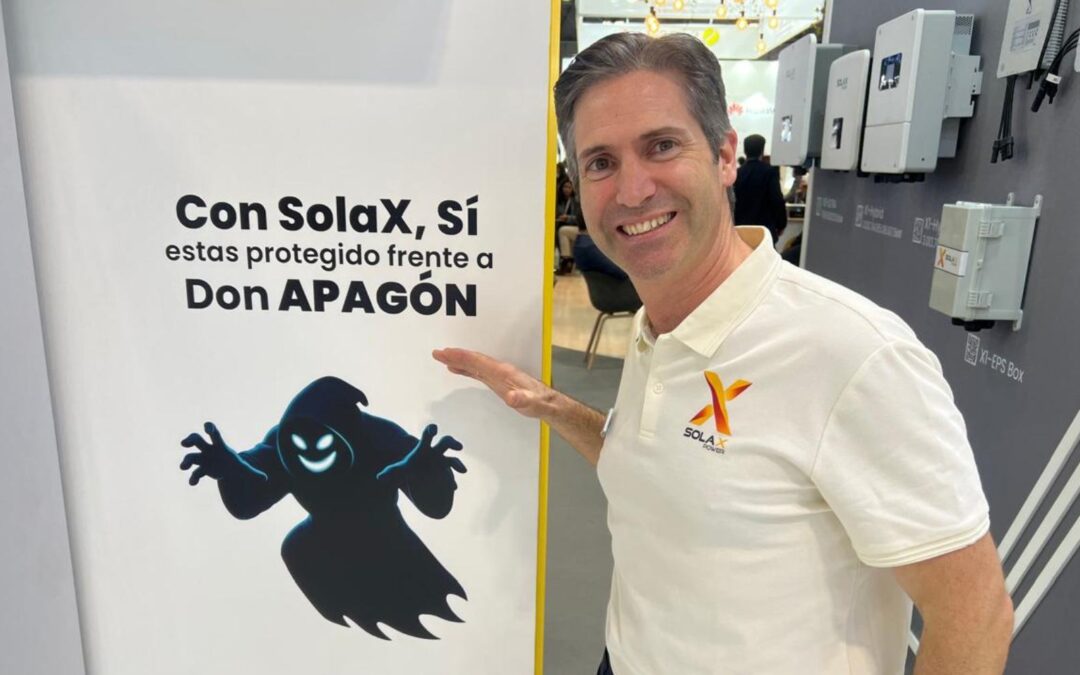
The Country Manager of SolaX Power for Spain and Portugal anticipates that profitability—rather than subsidies—will be the real driver of energy storage in Iberia. During Genera 2025, he explained why projects that do not qualify for public incentives will be the ones to activate the market, and outlined how the company is adjusting its strategy to expand in the utility-scale, commercial and industrial segments.
The technical director of PVH outlines sector trends, highlights the company’s fully integrated manufacturing model, and explains how its pre-assembly system cuts on-site construction times by nearly half, in an exclusive interview with Energía Estratégica at GENERA 2025.
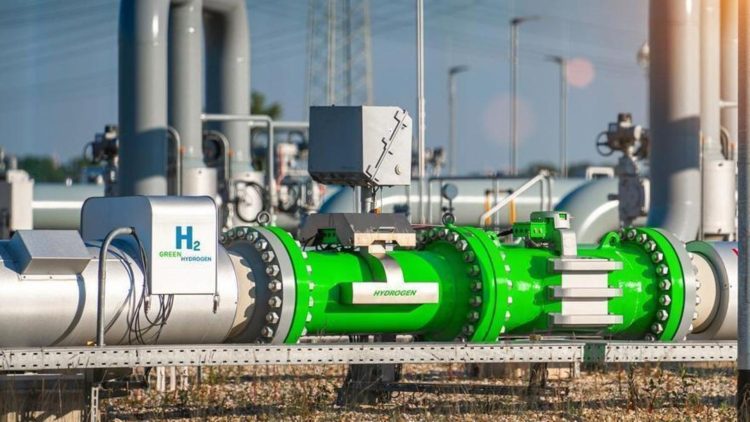
Spain has selected two renewable hydrogen projects for a combined €126.4 million under its first national “auction-as-a-service” (AaaS) scheme, after both initiatives had been preselected by the European Commission in the second general auction of the European Hydrogen Bank but failed to obtain EU funding due to exhausted budgets. The Government is strengthening its commitment to renewable green hydrogen as a substitute for fossil energy and as a tool to cut CO₂ emissions in industry, heavy transport and other hard-to-abate sectors.
With an investment roadmap reaching USD 900 million, Genneia is advancing new clean-energy infrastructure, expanding its portfolio with battery storage and strengthening its institutional positioning in the PV Book 2025 as a leading actor in Argentina’s renewable-energy ecosystem.
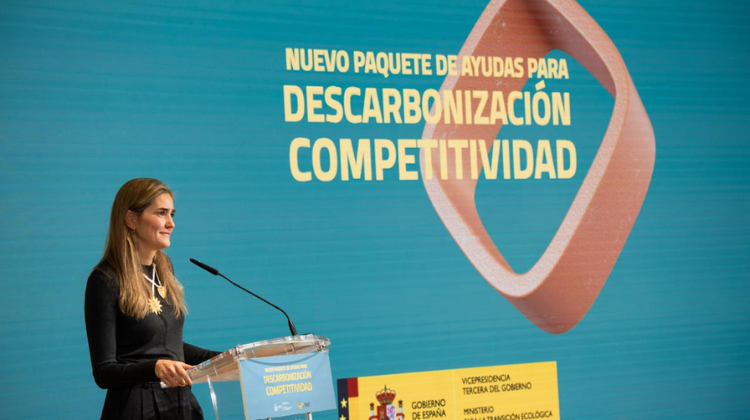
“This package will allow us to advance the model that has enabled us to become a benchmark for economic and environmental development, industrial modernization, and the fight against climate change.” It is structured around four key areas of action: the industrial value chain, the integration of renewable energy, the promotion of electric mobility, and innovative thermal solutions for industrial and residential applications.
The Institute presents at the joint GENERA + Matelec fair the event Spain, for a green and competitive reindustrialization, which will be opened by the Secretaries of State for Energy and Industry.
Until November 24, companies covered by the specific remuneration scheme (RECORE) will be able to participate in the public consultation of the new order that will update the profitability, prices and regulated costs for the period 2026–2031.
UNEF’s CEO, José Donoso, analyzes the profound shift in the business model, incorporating active revenue management, energy storage, and participation in electricity markets. He also emphasizes the importance of advancing electrification by 2026 and holding new auctions.
Red Eléctrica confirmed the auction date for the Active Demand Response Service (SRAD) for November 28, but changes in schedules and the lack of technical definitions are causing concern among stakeholders.
Today the BOE shares the new Order TED/1252/2025 which eliminates restrictions on the export of guarantees of origin and adjusts the calculation of remuneration for investment in biomass, giving more liquidity and predictability to plants under the specific remuneration scheme.
Spain’s national markets and competition regulator has approved permanent amendments to electricity operating procedures 3.1, 3.2 and 7.2, aimed at curbing abrupt voltage fluctuations and strengthening grid stability.
The approximately €13 million senior debt package relates to the construction of the Ginosa (Puglia, 6.5 MWdc) and Bellomo (Sicily, 9.5 MWdc) solar plants. The transaction was signed with the Italian bank BPER. Together, the projects will displace an estimate of 8,500 tons of CO2 emission per year and generate enough clean electricity to power the equivalent of 10,000 Italian homes.
The call is aimed at emerging technologies such as agrivoltaics, floating solar PV, collective self-consumption and renewable integration in infrastructure projects. It requires the integration of battery storage or hydraulic systems, the use of European-manufactured equipment, and projects that can be implemented before 2030.
The Spanish Wind Energy Association (AEE) warns that more than 4,500 MW of onshore wind capacity must be installed each year until 2030 to reach the target of 59 GW. In 2024, only 1,186 MW were added. The sector is calling for regulatory certainty, fewer administrative barriers and a more balanced tax framework to accelerate deployment.
The drop in captured prices to below €5/MWh is reinforcing buyer caution. “Clients are unwilling to sign contracts at €35 or €40 per MWh; they are looking at around €25 to €32/MWh at most,” warns Álvaro de Simón, advisor at ASB Renewables Consulting.
As storage gains ground and the urgency for energy autonomy intensifies, the COUNTRY MANAGER outlines his vision for a “hot” market moment: more incentives, less dependency, and a wide-open field for scaling up. At Hoymiles, the company is backing a clear formula to take the lead over competitors, based on a mature and stable supply chain, a focus on 10 to 30 MW projects, and the speed required to gain volume.
The new Cegasa industrial facility will reach 600 MWh per year in its first phase and will triple that figure by 2027. In an exclusive interview with Energía Estratégica, Carlos Infante details the technological profile of the BESS systems, their application in large-scale projects, and analyses the factors that are accelerating the Spanish energy storage market.
The FEDER programme achieved a specific cost of €64933/MWh for stand-alone storage systems, compared with the €111000/MWh estimated for MACSE in Italy. Although Italian projects have an average duration of seven hours, versus four hours under the Spanish scheme, “the Spanish approach appears to have been more efficient for the public administration,” said Raúl García, director of ASEALEN.
The latest decision by Spain’s National Commission for Markets and Competition (CNMC) establishes a new regulatory framework that redefines the technical criteria used to assess grid-access applications for electricity consumption, covering both large industrial users and battery energy storage systems (BESS) connected to the power system. As part of the rollout, on 2 February the national transmission system operator, Red Eléctrica de España (REE), will launch a new digital tool.
Carmen López, Director of Renewable Energy and the Electricity Market at Spain’s Institute for Energy Diversification and Saving (IDAE), outlined the new funding lines soon to be launched to deploy the remaining EU budget, boosting prospects for storage, repowering and innovative renewable solutions.
During an exclusive interview with Energía Estratégica at Genera 2025, the company’s Regional Director for Southern Europe outlined why this is a decisive moment for integrating energy storage with grid-flexibility services, and revealed the commercial milestones guiding the firm’s entry into new strategic markets.
The Country Manager of SolaX Power for Spain and Portugal anticipates that profitability—rather than subsidies—will be the real driver of energy storage in Iberia. During Genera 2025, he explained why projects that do not qualify for public incentives will be the ones to activate the market, and outlined how the company is adjusting its strategy to expand in the utility-scale, commercial and industrial segments.
The technical director of PVH outlines sector trends, highlights the company’s fully integrated manufacturing model, and explains how its pre-assembly system cuts on-site construction times by nearly half, in an exclusive interview with Energía Estratégica at GENERA 2025.
Spain has selected two renewable hydrogen projects for a combined €126.4 million under its first national “auction-as-a-service” (AaaS) scheme, after both initiatives had been preselected by the European Commission in the second general auction of the European Hydrogen Bank but failed to obtain EU funding due to exhausted budgets. The Government is strengthening its commitment to renewable green hydrogen as a substitute for fossil energy and as a tool to cut CO₂ emissions in industry, heavy transport and other hard-to-abate sectors.
With an investment roadmap reaching USD 900 million, Genneia is advancing new clean-energy infrastructure, expanding its portfolio with battery storage and strengthening its institutional positioning in the PV Book 2025 as a leading actor in Argentina’s renewable-energy ecosystem.
“This package will allow us to advance the model that has enabled us to become a benchmark for economic and environmental development, industrial modernization, and the fight against climate change.” It is structured around four key areas of action: the industrial value chain, the integration of renewable energy, the promotion of electric mobility, and innovative thermal solutions for industrial and residential applications.
The Institute presents at the joint GENERA + Matelec fair the event Spain, for a green and competitive reindustrialization, which will be opened by the Secretaries of State for Energy and Industry.
Until November 24, companies covered by the specific remuneration scheme (RECORE) will be able to participate in the public consultation of the new order that will update the profitability, prices and regulated costs for the period 2026–2031.
UNEF’s CEO, José Donoso, analyzes the profound shift in the business model, incorporating active revenue management, energy storage, and participation in electricity markets. He also emphasizes the importance of advancing electrification by 2026 and holding new auctions.
Red Eléctrica confirmed the auction date for the Active Demand Response Service (SRAD) for November 28, but changes in schedules and the lack of technical definitions are causing concern among stakeholders.
Today the BOE shares the new Order TED/1252/2025 which eliminates restrictions on the export of guarantees of origin and adjusts the calculation of remuneration for investment in biomass, giving more liquidity and predictability to plants under the specific remuneration scheme.
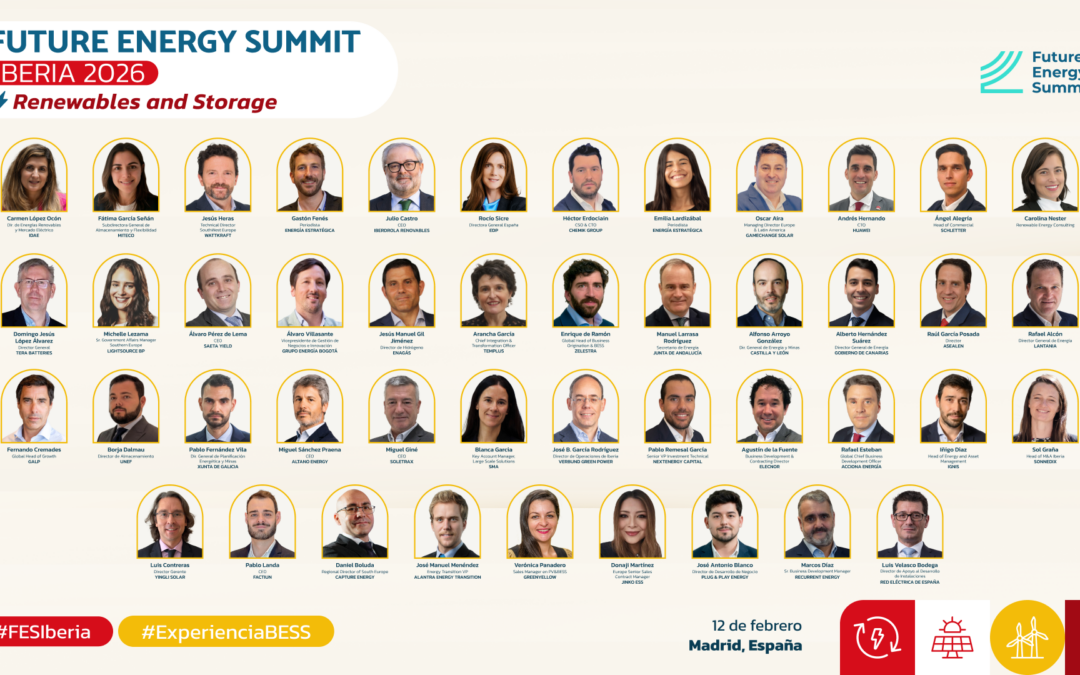
With 99% of seats already filled and live streaming confirmed, Future Energy Summit will bring together senior policymakers and CEOs to define Spain’s roadmap for energy storage, distributed generation and renewable energy policy.
More than 80 GW of installed renewable capacity underpin a strong start to the year, as new project permitting exceeds 1.6 GW in just three weeks despite a 2% drop in electricity demand.
The veteran power sector executive will take office in March 2026, joining President-elect José Antonio Kast’s administration amid regulatory reforms, grid reliability concerns and growing debate over distributed generation and energy storage.