More than 80 GW of installed renewable capacity underpin a strong start to the year, as new project permitting exceeds 1.6 GW in just three weeks despite a 2% drop in electricity demand.


More than 80 GW of installed renewable capacity underpin a strong start to the year, as new project permitting exceeds 1.6 GW in just three weeks despite a 2% drop in electricity demand.
The veteran power sector executive will take office in March 2026, joining President-elect José Antonio Kast’s administration amid regulatory reforms, grid reliability concerns and growing debate over distributed generation and energy storage.
Following regulatory changes under Resolution SE No. 400, Argentina’s electricity market is entering a new phase in which long-term contracting will become essential for large consumers and distributors. Fenix Energy warns that companies delaying procurement decisions could face higher spot exposure and rising marginal prices.
Electricity demand has risen 15% in two years to 14,575 GWh, pushing renewables to 62.3% of the power mix. The government now plans to add 1,000 MW of clean capacity by 2040, backed by grid, storage and digital upgrades.
Claudio Bulacio, manager at ADEERA, outlines the conditions required for Argentina’s new electricity supply model, under which distribution companies will have to contract up to 75% of their demand directly from generators: cost-reflective tariffs, regulatory approval and smart grids.
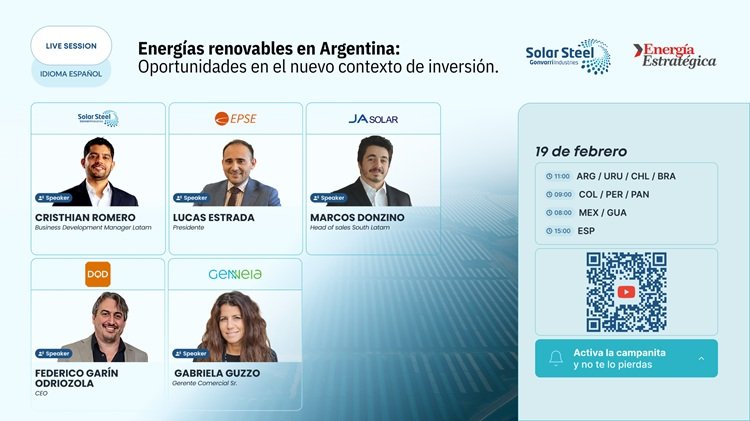
On 19 February, executives from Gonvarri Solar Steel, Genneia, Solar DQD, JA Solar and EPSE San Juan will analyse the impact of Argentina’s evolving market conditions and the collaboration opportunities emerging for leading renewable energy players. Registration is open.
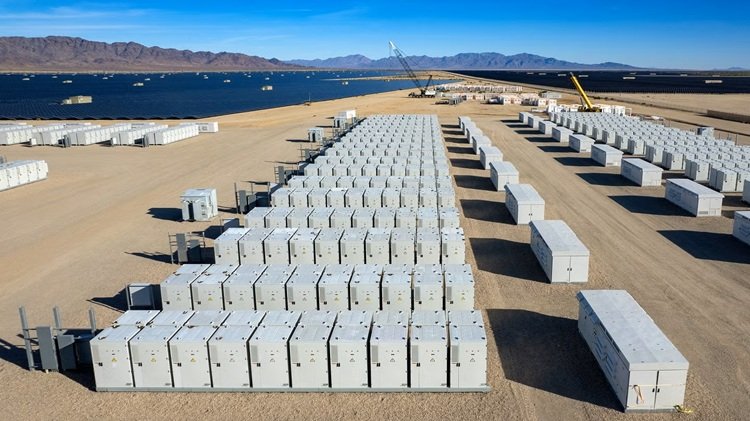
Battery projects led by Iberdrola, Galp, OPD Energy and Ignis target the hybridisation of existing and planned solar PV plants, with Castilla-La Mancha and Extremadura emerging as key hubs amid strong IDAE incentives backed by EU funds.
After building a strong distributed generation portfolio across Colombia, Mexico and Central America, the Costa Rican company is pivoting towards utility-scale solar and wind projects, aiming to capitalise on a new wave of multi-gigawatt renewable energy tenders in the region.
Eduardo Oviedo assumes the helm of the Energy Ministry while serving as interim head of the state-owned utility ENEE, at a time when a 1.5 GW power tender is already underway and major sector reforms remain in focus.
Ahead of Future Energy Summit (FES) Iberia 2026, we revisit the key takeaways from the previous edition: the post-blackout debate and failed decree, pressure from regional governments, CEOs’ announcements and the regulatory challenges that shaped the energy roadmap.
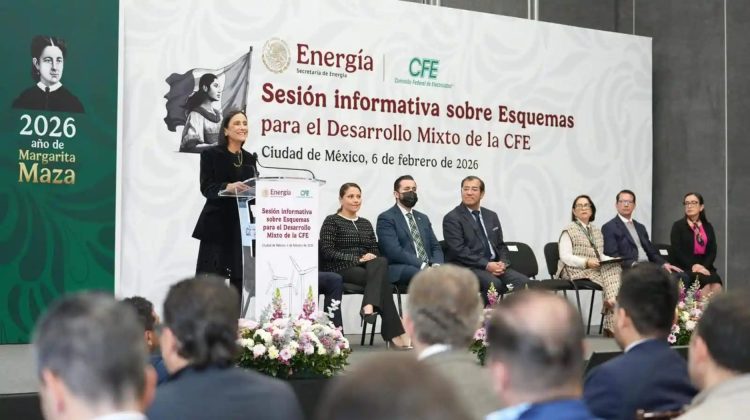
The state-owned utility and the Energy Ministry have unveiled a 25-year investment model to deploy large-scale solar PV, wind and concentrated solar power across seven regions. Two projects are already under development, while private developers can submit applications until 20 February.
At SER 2026, the country presented a long-term plan to expand clean generation, modernise its power grid and attract investment, while Central America launched its first regional renewables alliance.
With more than 8 GW supplied across the region and a solid footprint in Chile, Colombia and Peru, the Spanish solar tracker manufacturer plans to forge new strategic partnerships in Argentina by 2026, citing proximity to local investors as a key driver of its regional expansion.
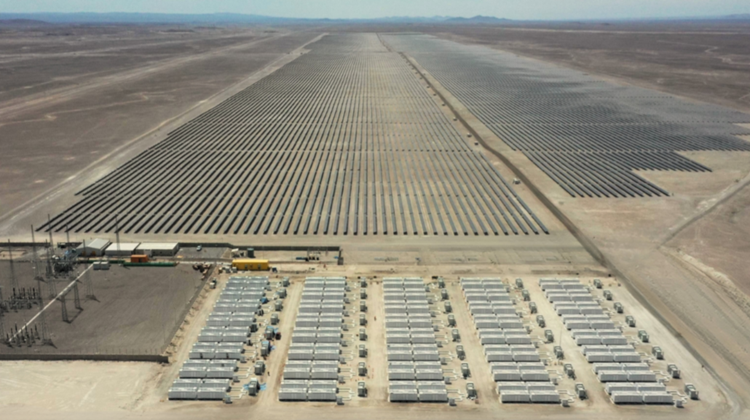
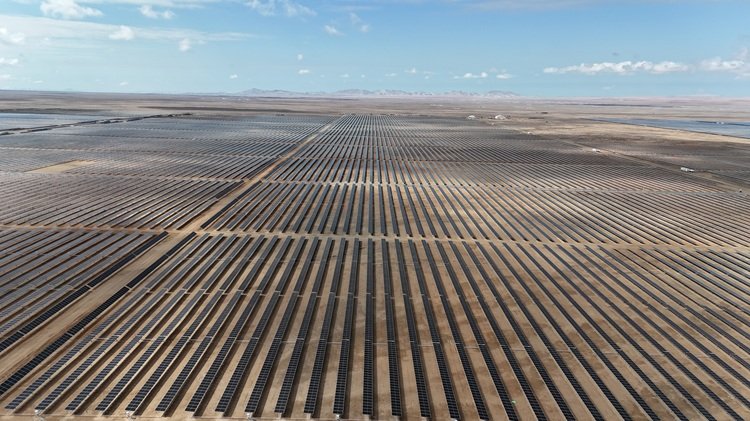
Grenergy has commissioned the fourth stage of its flagship Oasis de Atacama project, adding 272 MW of solar PV capacity and 1.1 GWh of battery energy storage, further strengthening Chile’s utility-scale renewable portfolio.
Colombia’s Ministry of Mines and Energy has launched a nationwide call to channel royalties into electrification, energy efficiency and renewable energy projects, with a cap of COP 5 billion per project.
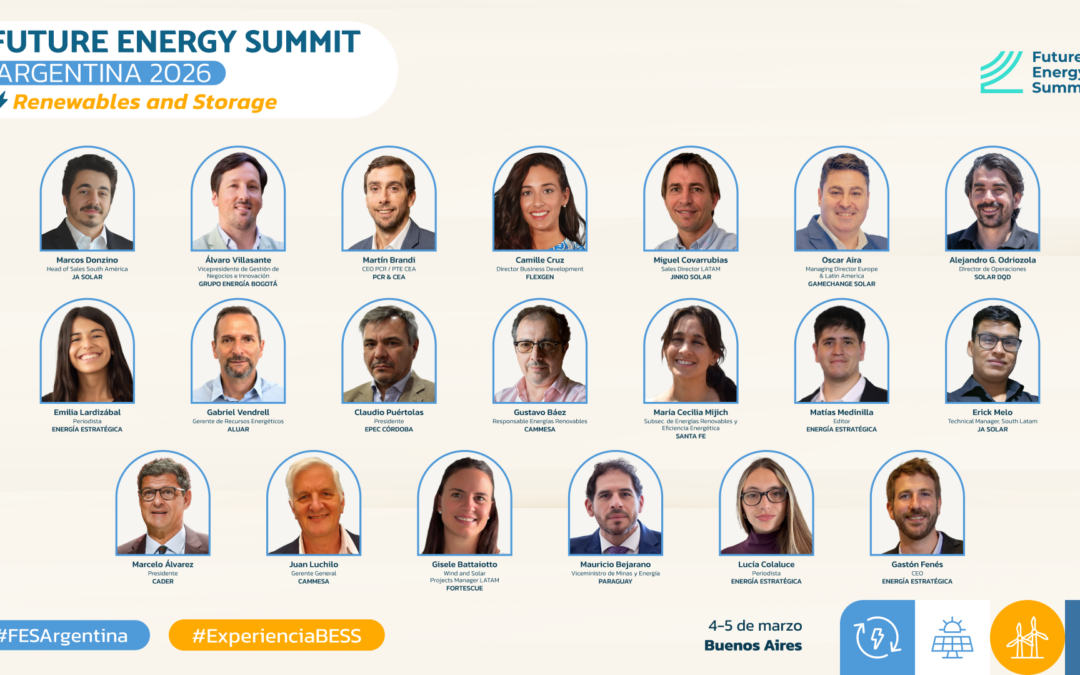
The event, taking place on 4–5 March in Buenos Aires, will bring together senior executives and energy authorities to analyse investments, technologies and market prospects amid a structural shift in Argentina’s power sector.
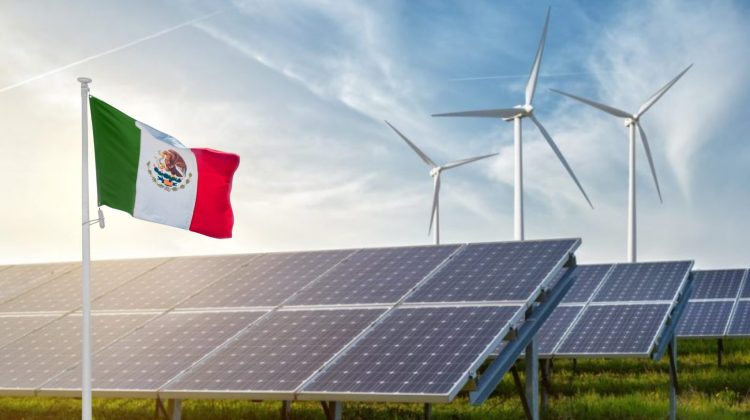
Between December 2025 and January 2026, more than 2,300 MW of renewable energy projects were submitted for environmental permitting in Mexico, underlining strong momentum in solar and wind power led by the state-owned utility CFE.
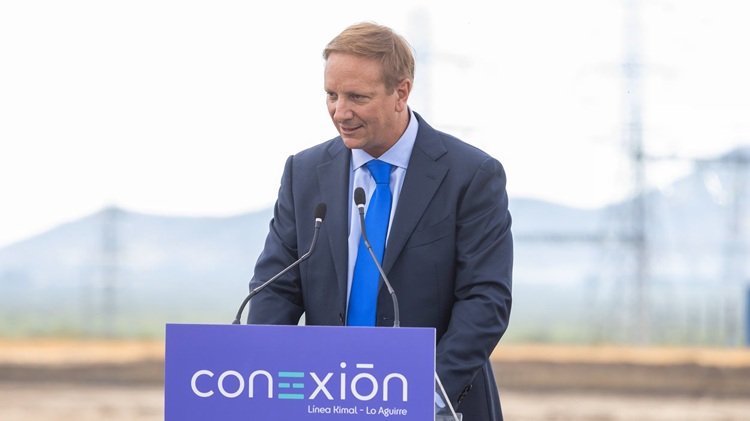
The 1,346-km project led by Conexión Energía will move up to 3 GW from northern Chile to the country’s main demand centre, easing grid congestion and enabling large-scale renewable integration through HVDC technology—used in Chile for the first time.
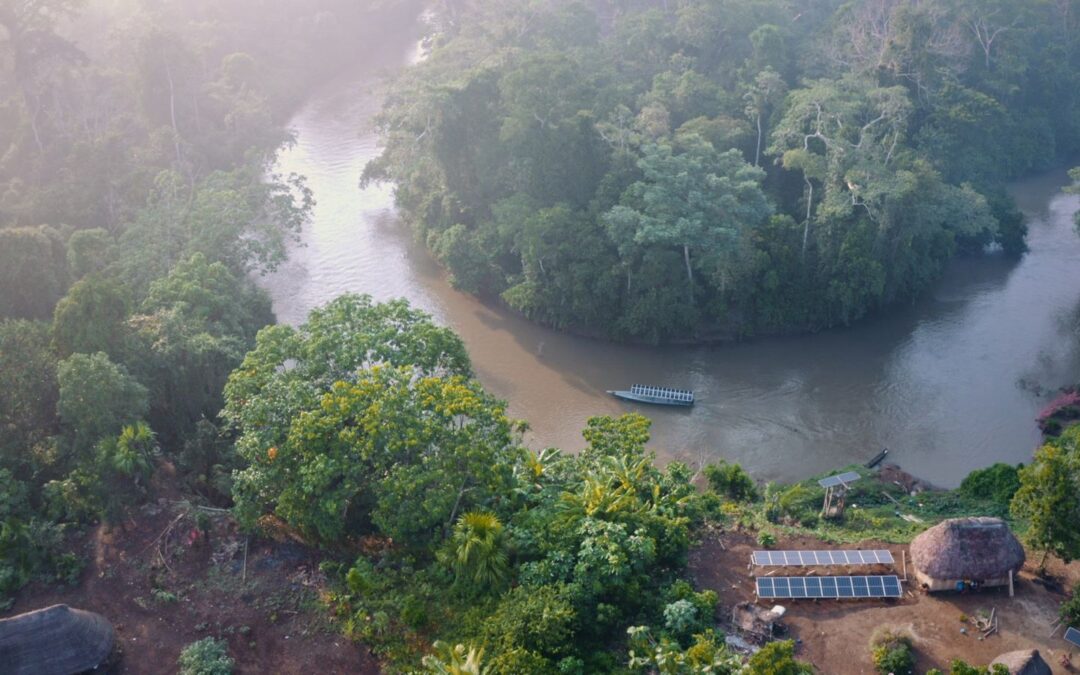
Based in the Achuar territory of Ecuador, this electric river transport model combines Indigenous technicians, community solar charging stations and jungle-adapted motors. The goal is to replace fossil fuels and offer a sustainable alternative to road expansion in strategic areas of the Amazon basin.
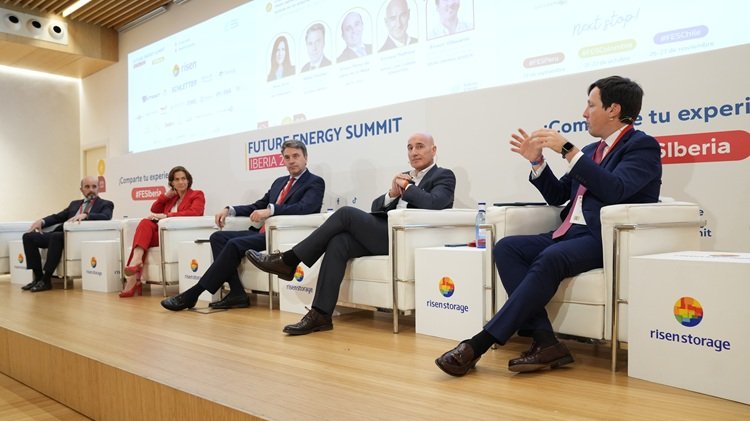
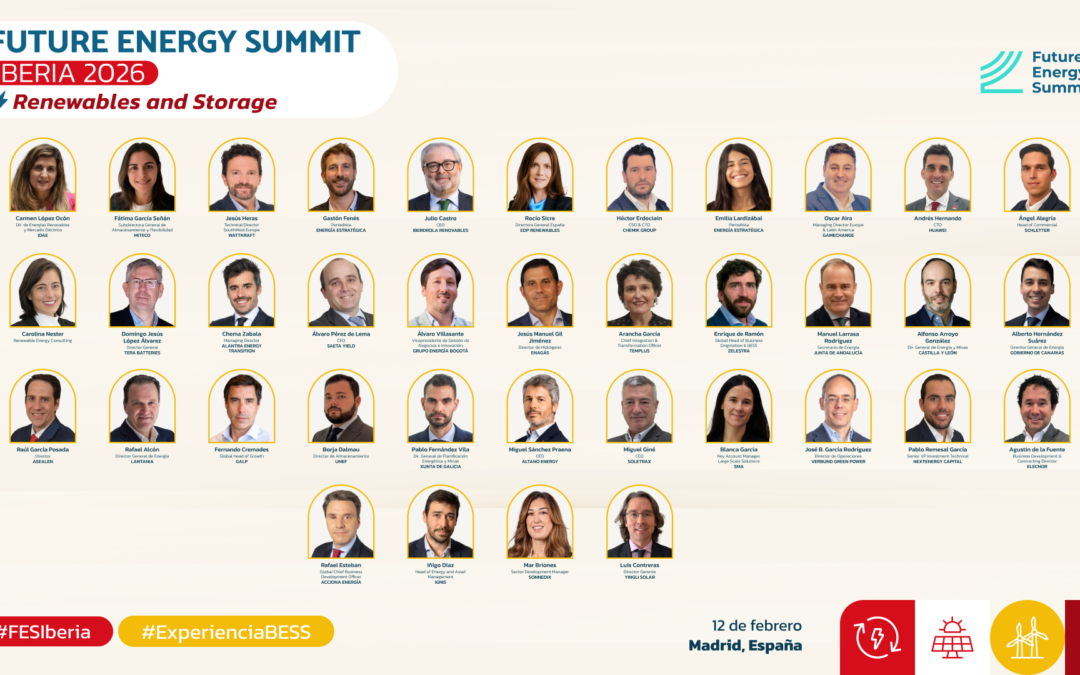
More than 40 confirmed speakers – including leading CEOs and senior regional government officials – will headline the event that opens the 2026 Future Energy Summit calendar, amid regulatory acceleration, new projects in the pipeline and growing opportunities for energy storage across the Iberian Peninsula.

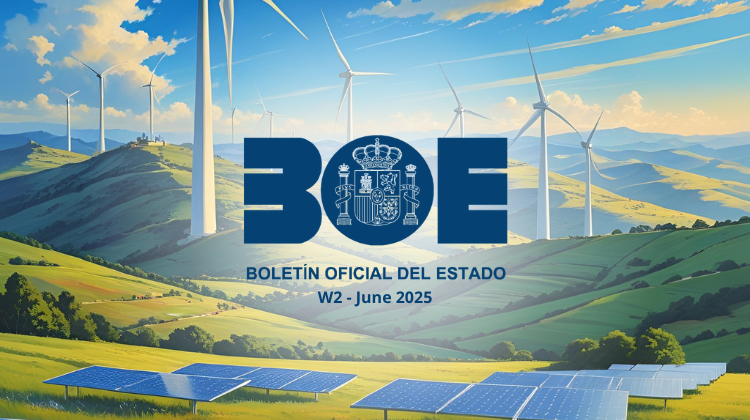
Between mid-January and early February, Spain advanced environmental permitting for more than 1.6 GW of renewable energy projects, with solar PV accounting for over 70% of the total. Forestalia, Galp and Iberdrola emerged as the most active developers, according to an analysis by Energía Estratégica based on official BOE data.

More than 80 GW of installed renewable capacity underpin a strong start to the year, as new project permitting exceeds 1.6 GW in just three weeks despite a 2% drop in electricity demand.
The veteran power sector executive will take office in March 2026, joining President-elect José Antonio Kast’s administration amid regulatory reforms, grid reliability concerns and growing debate over distributed generation and energy storage.
Following regulatory changes under Resolution SE No. 400, Argentina’s electricity market is entering a new phase in which long-term contracting will become essential for large consumers and distributors. Fenix Energy warns that companies delaying procurement decisions could face higher spot exposure and rising marginal prices.
Electricity demand has risen 15% in two years to 14,575 GWh, pushing renewables to 62.3% of the power mix. The government now plans to add 1,000 MW of clean capacity by 2040, backed by grid, storage and digital upgrades.
Claudio Bulacio, manager at ADEERA, outlines the conditions required for Argentina’s new electricity supply model, under which distribution companies will have to contract up to 75% of their demand directly from generators: cost-reflective tariffs, regulatory approval and smart grids.
On 19 February, executives from Gonvarri Solar Steel, Genneia, Solar DQD, JA Solar and EPSE San Juan will analyse the impact of Argentina’s evolving market conditions and the collaboration opportunities emerging for leading renewable energy players. Registration is open.
Battery projects led by Iberdrola, Galp, OPD Energy and Ignis target the hybridisation of existing and planned solar PV plants, with Castilla-La Mancha and Extremadura emerging as key hubs amid strong IDAE incentives backed by EU funds.
After building a strong distributed generation portfolio across Colombia, Mexico and Central America, the Costa Rican company is pivoting towards utility-scale solar and wind projects, aiming to capitalise on a new wave of multi-gigawatt renewable energy tenders in the region.
Eduardo Oviedo assumes the helm of the Energy Ministry while serving as interim head of the state-owned utility ENEE, at a time when a 1.5 GW power tender is already underway and major sector reforms remain in focus.
Ahead of Future Energy Summit (FES) Iberia 2026, we revisit the key takeaways from the previous edition: the post-blackout debate and failed decree, pressure from regional governments, CEOs’ announcements and the regulatory challenges that shaped the energy roadmap.
The state-owned utility and the Energy Ministry have unveiled a 25-year investment model to deploy large-scale solar PV, wind and concentrated solar power across seven regions. Two projects are already under development, while private developers can submit applications until 20 February.
At SER 2026, the country presented a long-term plan to expand clean generation, modernise its power grid and attract investment, while Central America launched its first regional renewables alliance.
With more than 8 GW supplied across the region and a solid footprint in Chile, Colombia and Peru, the Spanish solar tracker manufacturer plans to forge new strategic partnerships in Argentina by 2026, citing proximity to local investors as a key driver of its regional expansion.
Grenergy has commissioned the fourth stage of its flagship Oasis de Atacama project, adding 272 MW of solar PV capacity and 1.1 GWh of battery energy storage, further strengthening Chile’s utility-scale renewable portfolio.
Colombia’s Ministry of Mines and Energy has launched a nationwide call to channel royalties into electrification, energy efficiency and renewable energy projects, with a cap of COP 5 billion per project.
The event, taking place on 4–5 March in Buenos Aires, will bring together senior executives and energy authorities to analyse investments, technologies and market prospects amid a structural shift in Argentina’s power sector.
Between December 2025 and January 2026, more than 2,300 MW of renewable energy projects were submitted for environmental permitting in Mexico, underlining strong momentum in solar and wind power led by the state-owned utility CFE.
The 1,346-km project led by Conexión Energía will move up to 3 GW from northern Chile to the country’s main demand centre, easing grid congestion and enabling large-scale renewable integration through HVDC technology—used in Chile for the first time.
Based in the Achuar territory of Ecuador, this electric river transport model combines Indigenous technicians, community solar charging stations and jungle-adapted motors. The goal is to replace fossil fuels and offer a sustainable alternative to road expansion in strategic areas of the Amazon basin.
More than 40 confirmed speakers – including leading CEOs and senior regional government officials – will headline the event that opens the 2026 Future Energy Summit calendar, amid regulatory acceleration, new projects in the pipeline and growing opportunities for energy storage across the Iberian Peninsula.

Between mid-January and early February, Spain advanced environmental permitting for more than 1.6 GW of renewable energy projects, with solar PV accounting for over 70% of the total. Forestalia, Galp and Iberdrola emerged as the most active developers, according to an analysis by Energía Estratégica based on official BOE data.
Select the sector you
want to know more about
The conflict is once again putting pressure on global energy markets, but not all power systems react in the same way. While gas continues to set prices across much of Europe, countries with high renewable energy penetration are better able to cushion the impact. “When gas sets the price, the transmission is immediate,” warned Marin Gillot.
With a 700 MW storage tender underway, Argentina’s market is entering a critical phase where success will hinge not only on cost per kWh, but on long-term performance, operational strategy and advanced control systems.
The company identifies grid access as the main barrier to new investment in Spain, amid regulatory uncertainty and administrative delays, while advancing a 300 MW pipeline and prioritising hybrid renewable projects with energy storage.