
New MISSE 2026 regulation classifies energy storage projects by MWh capacity and places systems above 250 MWh under the same social and documentary requirements as large-scale power plants, reshaping project timelines and investment strategy.


New MISSE 2026 regulation classifies energy storage projects by MWh capacity and places systems above 250 MWh under the same social and documentary requirements as large-scale power plants, reshaping project timelines and investment strategy.

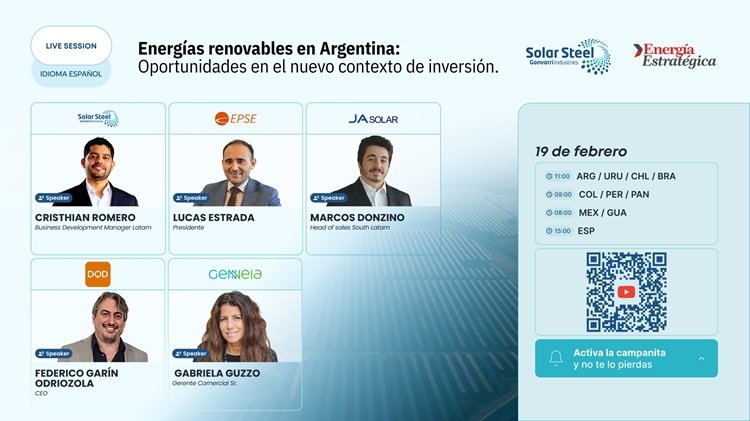
On 19 February, senior executives from Gonvarri Solar Steel, Genneia, Solar DQD, JA Solar and EPSE San Juan will discuss live the impact of Argentina’s new market rules and the opportunities emerging for key players across the renewable energy ecosystem. There is still time to register.
With USD 12 billion in renewable energy projects on hold, the removal of interim President José Jeri and the appointment of José Balcázar add fresh uncertainty over the regulation of Law 32249 and the launch of new clean energy tenders scheduled for 2026.
Lithium price volatility and a 3% tax rebate have driven an 8% increase in battery costs in early 2026, while Jinko ESS has already quoted more than 11 GW of energy storage projects across Iberia, signalling sustained momentum in the region’s BESS market.
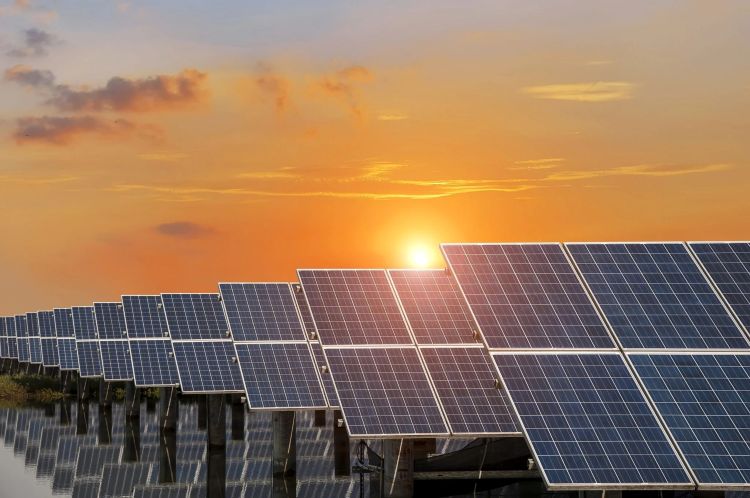
Solar PV will rise from 1,580.96 MW in 2025 to 1,907.48 MW by 2027, reinforcing its role as the backbone of the power mix. However, 189,082 MWh of curtailed renewable energy is pushing the country to tender 600 MW (nominal) of battery energy storage systems (BESS) to secure grid integration and sustain renewable expansion.
The South American nation joins the world’s leading energy policy body, reinforcing energy security and accelerating its net zero transition.
With 7.8 GW of renewables installed, 5.5 GW in the pipeline and 713 MW awarded in energy storage, Argentina is shifting toward an open market model that expands private contracting, strengthens the term market and introduces privately financed transmission concessions as a new structural pillar.
The country installed 339 MWh of behind-the-meter storage and 1,214 MW of new self-consumption capacity over the past year, signalling sector maturity. However, the current pace risks undermining Spain’s 2030 energy targets.
The country is set to reach 4.2 GW of installed renewable energy capacity by 2026. However, 5.1 GW remain without financial close and around USD 5 billion in investment is required to prevent a structural deficit by 2027.
With 1.6 GW already in commercial operation and a further 1.4 GW under testing, Colombia’s solar PV expansion accelerates ahead of a new long-term renewable energy auction scheduled for 2026.
The Canadian pension fund will invest alongside I Squared Capital in Inkia Energy, which operates a 2.6 GW generation portfolio in Peru and is developing more than 4 GW in wind, solar, gas and battery storage projects.
Authorities from Spain’s energy ministry and IDAE reveal unprecedented demand for renewable and storage funding, signalling that 2026 will mark a structural shift in the role of flexibility within the power system.

The auction to secure power supply for 2030–2033 attracts 51 companies and could mobilise more than USD 3.7 billion, marking a new phase of competition, renewable energy growth and long-term system planning.
Backed by US$800 million in signed contracts, the Argentine power producer aims to expand its renewable energy customer base tenfold by enabling digital power purchase agreements via blockchain.
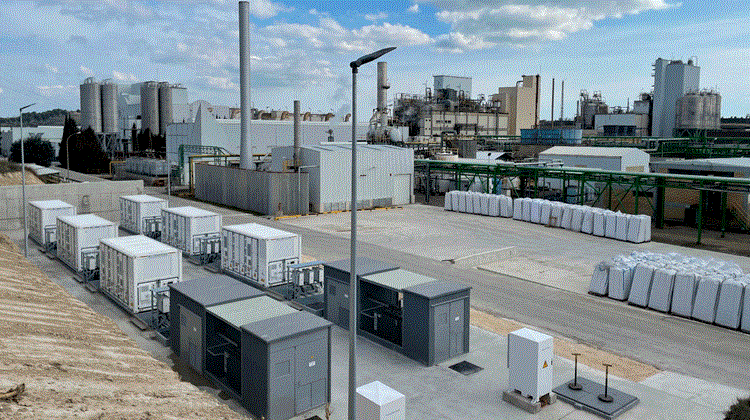
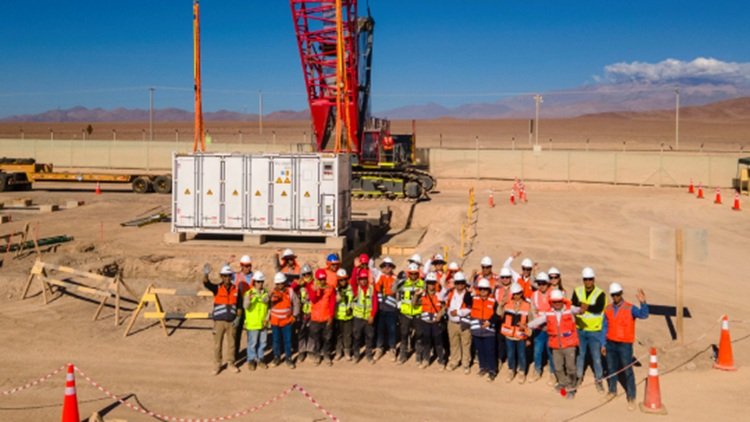
The delivery of the first 70 units marks a key milestone in the US$200 million battery energy storage project linked to a 232 MW solar PV plant, strengthening renewable supply and grid stability in northern Chile.
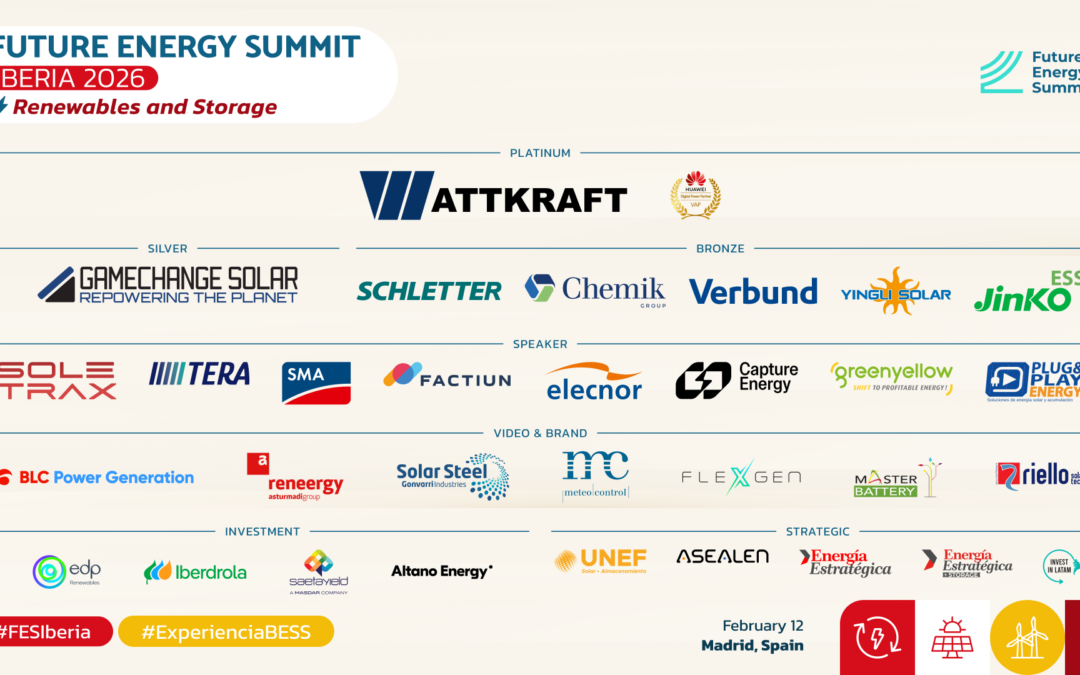
Future Energy Summit Iberia Renewables & Storage brings together hundreds of public and private sector leaders to define the roadmap for energy storage, distributed generation and renewable energy policy in Spain. Join the live broadcast and follow the debate in real time.
The inclusion of battery energy storage systems in Colombia’s upcoming long-term auction shifts the debate from technology to revenue structure, raising concerns over project finance viability and bankability under the current regulatory framework.
The new framework allows independent aggregators to combine demand, generation and storage to participate in electricity markets, strengthening demand-side response and supporting renewable energy integration in line with EU Directive 2019/944.
Energy consultants say the Federal Electricity Commission’s mixed contracts could accelerate project delivery and unlock investment in renewables and grid infrastructure, as electricity demand is set to rise 3–5% annually.
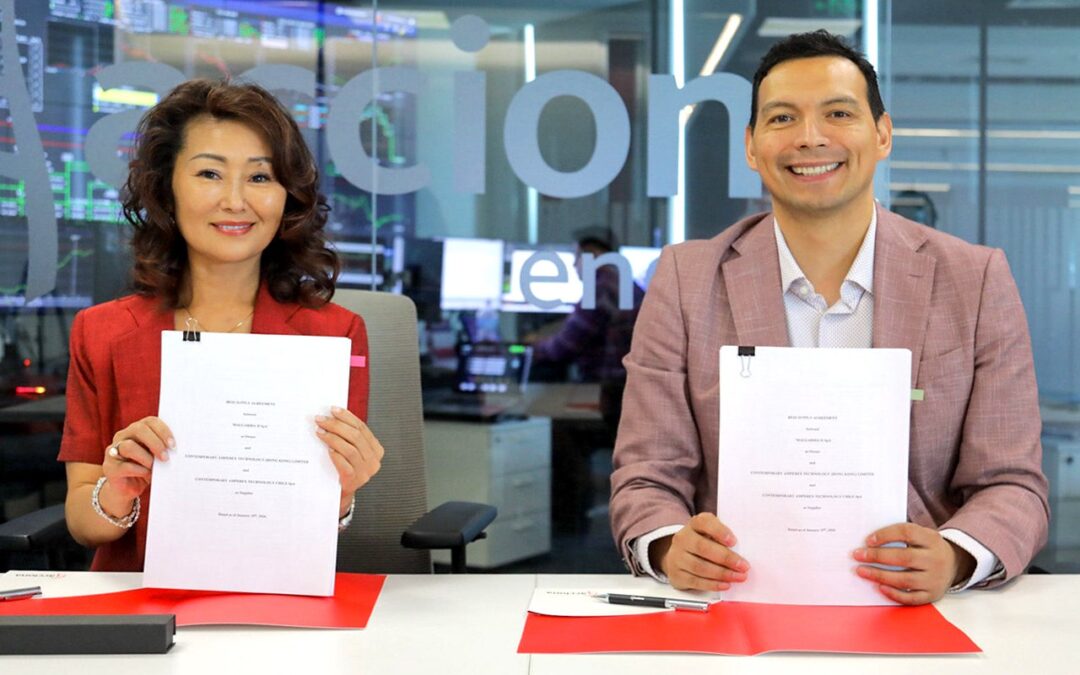
The agreement covers the supply of 1 GWh of battery storage capacity for the 238 MWp Malgarida solar PV plant in Chile’s Atacama Desert, strengthening renewable energy integration and long-term investment in the country.
The syndicated bond and equity facility, backed by Spain’s ICO and export credit agency Cesce, will support contracted renewable energy projects in Italy, Germany and the United States under the company’s Green Financing Framework.

New MISSE 2026 regulation classifies energy storage projects by MWh capacity and places systems above 250 MWh under the same social and documentary requirements as large-scale power plants, reshaping project timelines and investment strategy.

On 19 February, senior executives from Gonvarri Solar Steel, Genneia, Solar DQD, JA Solar and EPSE San Juan will discuss live the impact of Argentina’s new market rules and the opportunities emerging for key players across the renewable energy ecosystem. There is still time to register.
With USD 12 billion in renewable energy projects on hold, the removal of interim President José Jeri and the appointment of José Balcázar add fresh uncertainty over the regulation of Law 32249 and the launch of new clean energy tenders scheduled for 2026.
Lithium price volatility and a 3% tax rebate have driven an 8% increase in battery costs in early 2026, while Jinko ESS has already quoted more than 11 GW of energy storage projects across Iberia, signalling sustained momentum in the region’s BESS market.
Solar PV will rise from 1,580.96 MW in 2025 to 1,907.48 MW by 2027, reinforcing its role as the backbone of the power mix. However, 189,082 MWh of curtailed renewable energy is pushing the country to tender 600 MW (nominal) of battery energy storage systems (BESS) to secure grid integration and sustain renewable expansion.
The South American nation joins the world’s leading energy policy body, reinforcing energy security and accelerating its net zero transition.
With 7.8 GW of renewables installed, 5.5 GW in the pipeline and 713 MW awarded in energy storage, Argentina is shifting toward an open market model that expands private contracting, strengthens the term market and introduces privately financed transmission concessions as a new structural pillar.
The country installed 339 MWh of behind-the-meter storage and 1,214 MW of new self-consumption capacity over the past year, signalling sector maturity. However, the current pace risks undermining Spain’s 2030 energy targets.
The country is set to reach 4.2 GW of installed renewable energy capacity by 2026. However, 5.1 GW remain without financial close and around USD 5 billion in investment is required to prevent a structural deficit by 2027.
With 1.6 GW already in commercial operation and a further 1.4 GW under testing, Colombia’s solar PV expansion accelerates ahead of a new long-term renewable energy auction scheduled for 2026.
The Canadian pension fund will invest alongside I Squared Capital in Inkia Energy, which operates a 2.6 GW generation portfolio in Peru and is developing more than 4 GW in wind, solar, gas and battery storage projects.
Authorities from Spain’s energy ministry and IDAE reveal unprecedented demand for renewable and storage funding, signalling that 2026 will mark a structural shift in the role of flexibility within the power system.

The auction to secure power supply for 2030–2033 attracts 51 companies and could mobilise more than USD 3.7 billion, marking a new phase of competition, renewable energy growth and long-term system planning.
Backed by US$800 million in signed contracts, the Argentine power producer aims to expand its renewable energy customer base tenfold by enabling digital power purchase agreements via blockchain.
The delivery of the first 70 units marks a key milestone in the US$200 million battery energy storage project linked to a 232 MW solar PV plant, strengthening renewable supply and grid stability in northern Chile.
Future Energy Summit Iberia Renewables & Storage brings together hundreds of public and private sector leaders to define the roadmap for energy storage, distributed generation and renewable energy policy in Spain. Join the live broadcast and follow the debate in real time.
The inclusion of battery energy storage systems in Colombia’s upcoming long-term auction shifts the debate from technology to revenue structure, raising concerns over project finance viability and bankability under the current regulatory framework.
The new framework allows independent aggregators to combine demand, generation and storage to participate in electricity markets, strengthening demand-side response and supporting renewable energy integration in line with EU Directive 2019/944.
Energy consultants say the Federal Electricity Commission’s mixed contracts could accelerate project delivery and unlock investment in renewables and grid infrastructure, as electricity demand is set to rise 3–5% annually.
The agreement covers the supply of 1 GWh of battery storage capacity for the 238 MWp Malgarida solar PV plant in Chile’s Atacama Desert, strengthening renewable energy integration and long-term investment in the country.
The syndicated bond and equity facility, backed by Spain’s ICO and export credit agency Cesce, will support contracted renewable energy projects in Italy, Germany and the United States under the company’s Green Financing Framework.
Select the sector you
want to know more about
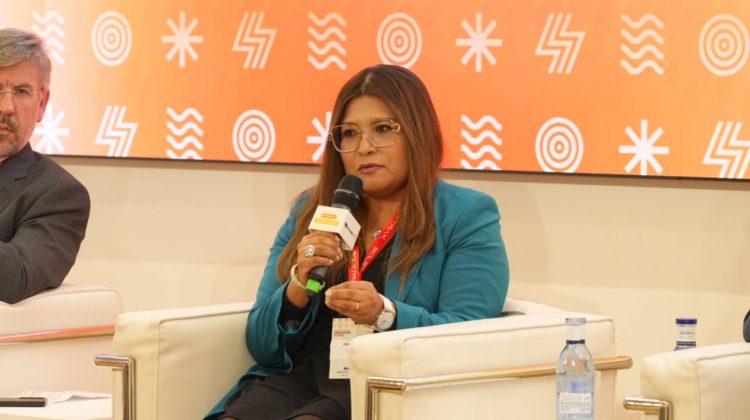
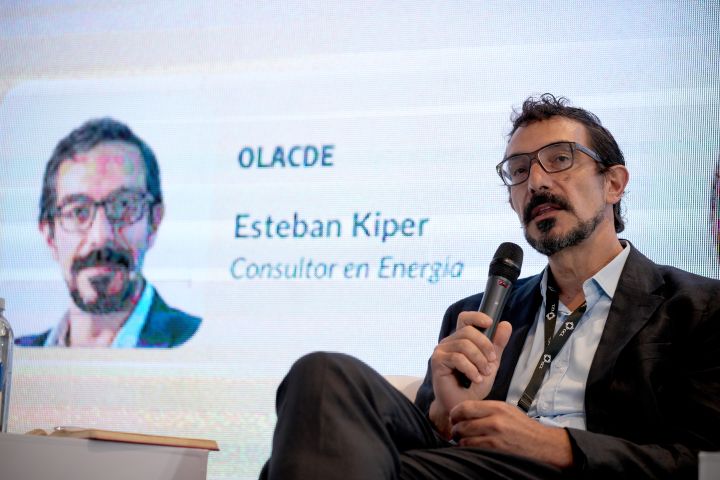
Esteban Kieper, consultant at the Latin American Energy Organization (OLADE), analysed Argentina’s energy transition. The country has reached nearly 19% renewable generation and is entering a phase where renewables begin to compete with natural gas, alongside new storage tenders and transmission projects.
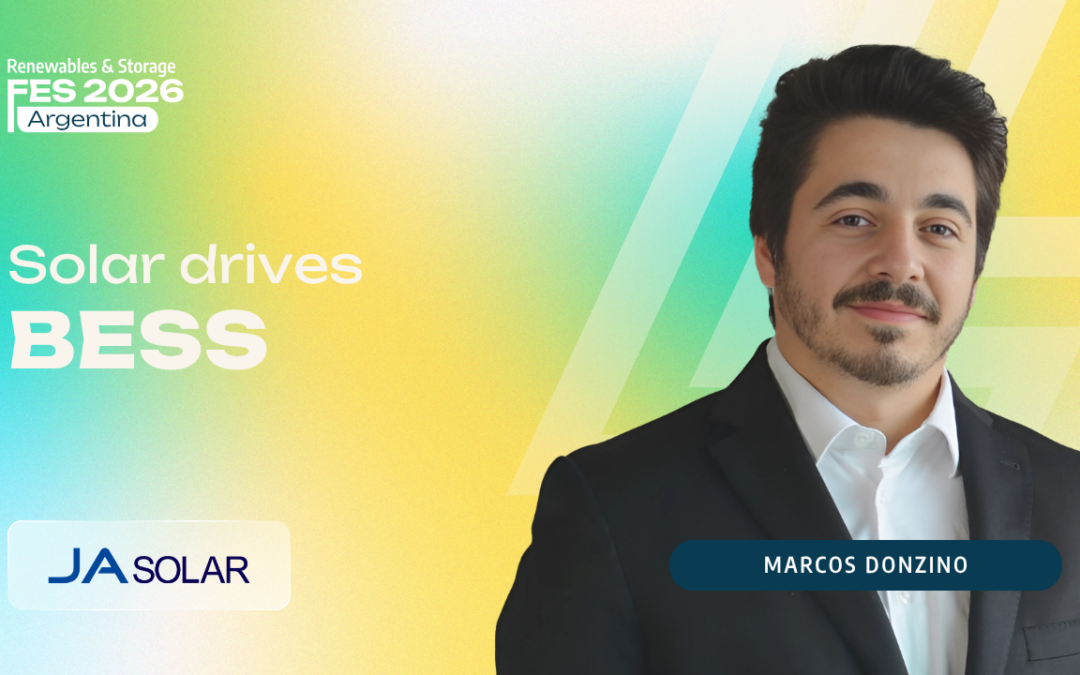
As the country’s solar PV sector expands, storage begins to gain traction, with global manufacturer JA Solar targeting utility-scale and C&I opportunities after reaching 14% global market share and nearly 300 GW in shipments.
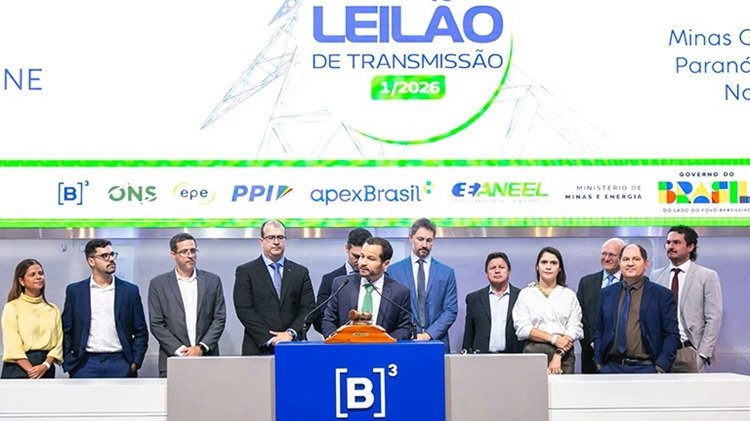
CYMI Brasil, ENGIE and Enind Engenharia secured five lots covering nearly 800 km of new transmission lines. The auction mobilised R$3.3 billion in investment, with a 50.69% tariff discount expected to save consumers R$7.6 billion.