The company announced its role as technology provider for the 1.4 GW / 3.1 GWh Thorpe Marsh battery energy storage system, developed by Fidra Energy.
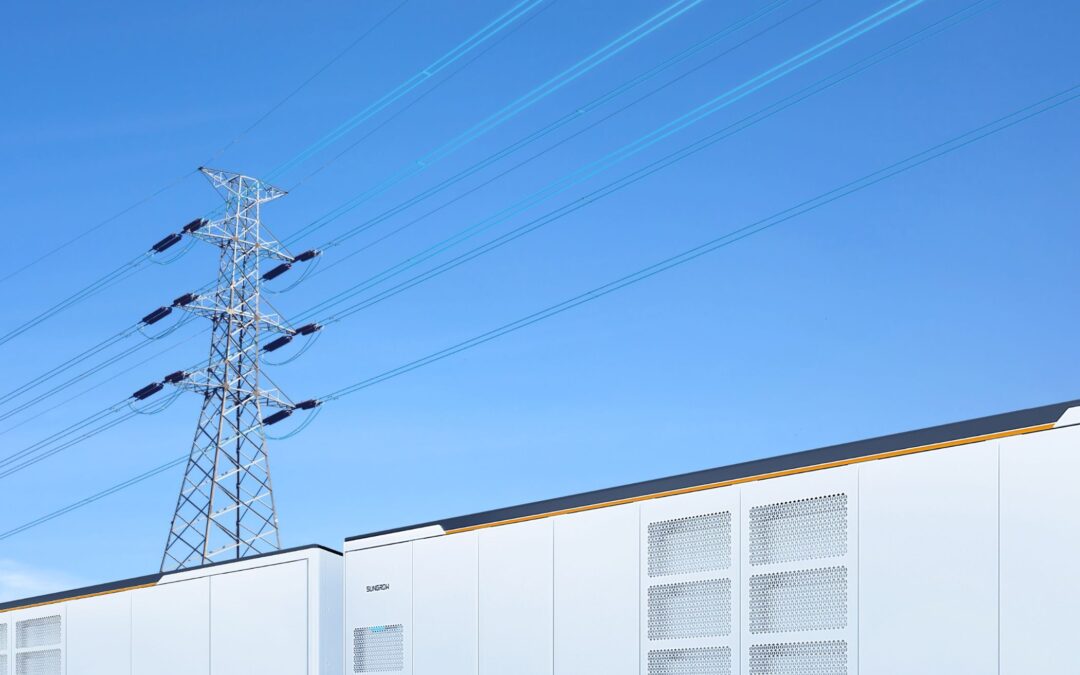


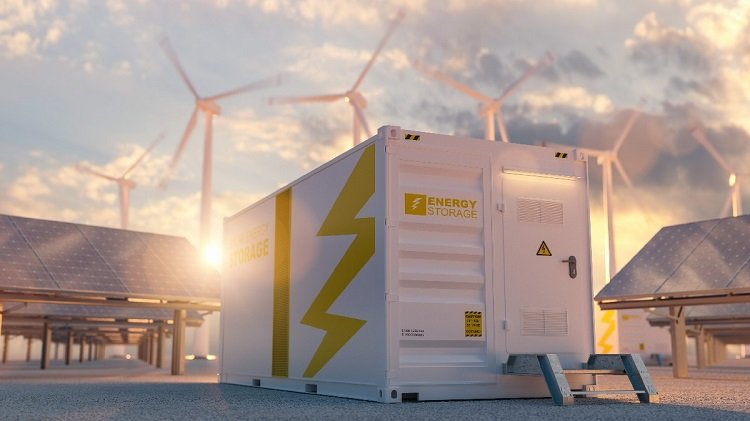
The company announced its role as technology provider for the 1.4 GW / 3.1 GWh Thorpe Marsh battery energy storage system, developed by Fidra Energy.
The partnership will supply Coca-Cola’s concentrate plant in Buenos Aires and its storage center in Ezeiza with electricity generated from wind and solar energy sources.
The vote took place during CADER’s Ordinary General Assembly, where members reviewed the outgoing Board of Directors’ performance and elected a new Board to serve for the 2026–2027 term.
With three projects now operating in Brus Laguna, Guanaja and Patuca, the country has added 54 MW of state-owned solar capacity through an investment of 1.588 billion lempiras. This expansion aligns with a national roadmap targeting more than 3,000 MW of new renewable capacity by 2030 and comes just weeks before the presidential elections on 30 November.
The government is reassessing key infrastructure initiatives to strengthen the power grid, accelerate clean generation projects and improve long-term investment conditions across the electricity sector.
José Oscar Rubí González, Commercial Director at SL Rack, anticipates that the combination of agriculture and solar energy will gain momentum as a technological standard in both regions, which are moving forward with pilot projects and new public incentive schemes. The company is showcasing specialized solutions designed for this model at GENERA. How are industry players positioning themselves in response to this emerging demand?
With more than 25 years in the energy sector, the Spanish engineering firm SISENER enters the PV Book 2025 highlighting its end-to-end approach: customized hybrid systems combining solar PV, wind power, BESS and green hydrogen, enhanced by SAGLAN, a digital platform that optimizes every project stage from design to O&M.

According to Mexico’s updated Nationally Determined Contribution (NDC 3.0), nearly 70% of all new installed capacity between 2025 and 2030 is expected to come from renewable technologies such as solar PV, wind power and energy storage. The roadmap also highlights the expansion of distributed generation schemes and major upgrades to the national power grid to support long-term climate and clean-energy targets.

Energy company Generadora Metropolitana—owned by Chilean developer AME and France’s EDF—starts building Dune Plus, a large-scale energy storage and solar PV complex that will strengthen grid reliability in northern Chile.
Aelēc urges immediate annual investments of €4.5–6.3 billion in distribution networks through 2030 to enable renewable integration, digitalization and rising electricity demand.
The company showcases its 2025 strategy for Latin America at PVBook, introducing technologies designed to boost energy performance, enable smart storage integration, and support the expansion of solar PV systems with international certifications and technical backing.

At a press briefing, Genera’s leadership confirmed a stronger international focus—particularly on Latin America—while showcasing 31 standout innovations in electric mobility, energy efficiency and renewables.
A leading China-based solar and storage provider is expanding its large-scale BESS portfolio across Latin America and preparing to enter Colombia once battery-integration regulations are approved.
At FES Colombia 2025, JA Solar highlighted the rapid expansion of distributed generation, which is now outpacing large-scale solar amid regulatory challenges and rising electricity demand.
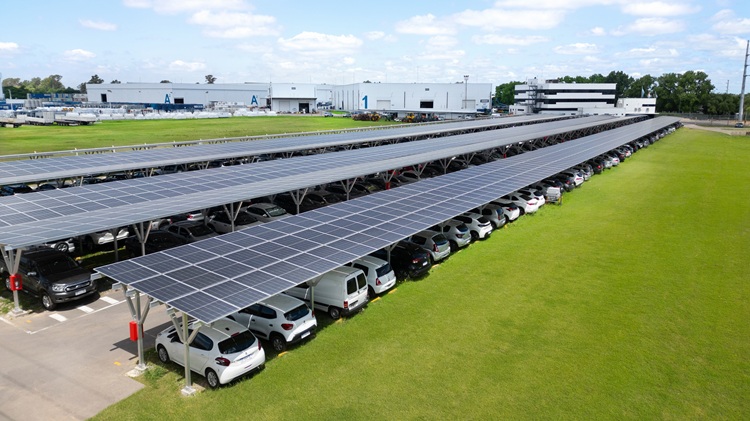
An Argentine industrial services company has launched one of the country’s largest solar-powered carports, a 1.15 MW self-consumption system with 2,520 PV modules and capacity for 360 vehicles.
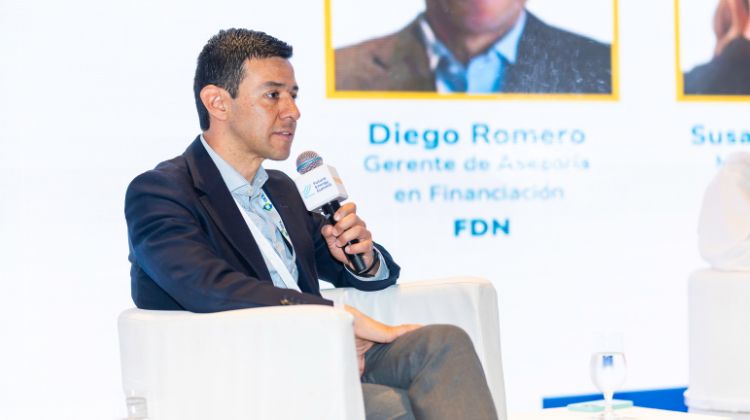
The National Development Finance Agency (FDN) is reshaping its role in Colombia’s energy transition with flexible, portfolio-based credit schemes designed to speed up financial close and expand access to small and medium-scale solar projects.
According to the Power Sector Development Plan 2025–2039, Mexico will add 19,954 MW of renewable energy and 5,000 MW of energy storage by 2030. Solar PV will account for 58% of new clean capacity, wind for 22%, and battery storage for the remaining 20%. The state-owned utility CFE will develop 69.2% of the total.
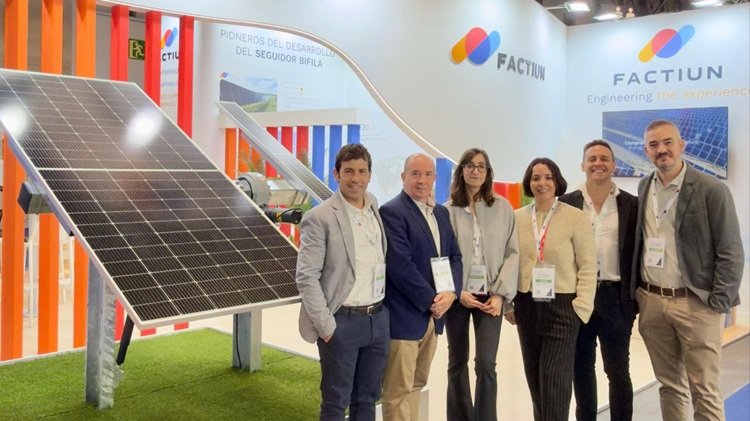
Present in four continents and backed by proprietary software for project and construction management, solar structure manufacturer Factiun aims to double its executed capacity in 2026 as part of its plan to join the world’s five leading solar tracker technology providers.
During Dominican Week in the United Kingdom, senior consultant Rafael Velazco warned that the country must deploy 500 MW of battery energy storage within three years and move forward with 1,050 MW of pumped hydro storage to support renewable energy growth and safeguard grid stability.
Sustainablearth LATAM transferred three ready-to-build solar, wind and hybrid projects, all scheduled to begin construction in 2027 and supported by long-term power purchase agreements (PPAs) at highly competitive prices.
The company is expanding in Colombia, Guatemala and Panama with commercial, industrial and utility-scale storage solutions tailored to different grid configurations. Among the latest technologies are the Grand inverter series and a train-type system designed to meet regulatory requirements and scale up to 5 MWh.

The company announced its role as technology provider for the 1.4 GW / 3.1 GWh Thorpe Marsh battery energy storage system, developed by Fidra Energy.
The partnership will supply Coca-Cola’s concentrate plant in Buenos Aires and its storage center in Ezeiza with electricity generated from wind and solar energy sources.
The vote took place during CADER’s Ordinary General Assembly, where members reviewed the outgoing Board of Directors’ performance and elected a new Board to serve for the 2026–2027 term.
With three projects now operating in Brus Laguna, Guanaja and Patuca, the country has added 54 MW of state-owned solar capacity through an investment of 1.588 billion lempiras. This expansion aligns with a national roadmap targeting more than 3,000 MW of new renewable capacity by 2030 and comes just weeks before the presidential elections on 30 November.
The government is reassessing key infrastructure initiatives to strengthen the power grid, accelerate clean generation projects and improve long-term investment conditions across the electricity sector.
José Oscar Rubí González, Commercial Director at SL Rack, anticipates that the combination of agriculture and solar energy will gain momentum as a technological standard in both regions, which are moving forward with pilot projects and new public incentive schemes. The company is showcasing specialized solutions designed for this model at GENERA. How are industry players positioning themselves in response to this emerging demand?
With more than 25 years in the energy sector, the Spanish engineering firm SISENER enters the PV Book 2025 highlighting its end-to-end approach: customized hybrid systems combining solar PV, wind power, BESS and green hydrogen, enhanced by SAGLAN, a digital platform that optimizes every project stage from design to O&M.

According to Mexico’s updated Nationally Determined Contribution (NDC 3.0), nearly 70% of all new installed capacity between 2025 and 2030 is expected to come from renewable technologies such as solar PV, wind power and energy storage. The roadmap also highlights the expansion of distributed generation schemes and major upgrades to the national power grid to support long-term climate and clean-energy targets.
Energy company Generadora Metropolitana—owned by Chilean developer AME and France’s EDF—starts building Dune Plus, a large-scale energy storage and solar PV complex that will strengthen grid reliability in northern Chile.
Aelēc urges immediate annual investments of €4.5–6.3 billion in distribution networks through 2030 to enable renewable integration, digitalization and rising electricity demand.
The company showcases its 2025 strategy for Latin America at PVBook, introducing technologies designed to boost energy performance, enable smart storage integration, and support the expansion of solar PV systems with international certifications and technical backing.
At a press briefing, Genera’s leadership confirmed a stronger international focus—particularly on Latin America—while showcasing 31 standout innovations in electric mobility, energy efficiency and renewables.
A leading China-based solar and storage provider is expanding its large-scale BESS portfolio across Latin America and preparing to enter Colombia once battery-integration regulations are approved.
At FES Colombia 2025, JA Solar highlighted the rapid expansion of distributed generation, which is now outpacing large-scale solar amid regulatory challenges and rising electricity demand.
An Argentine industrial services company has launched one of the country’s largest solar-powered carports, a 1.15 MW self-consumption system with 2,520 PV modules and capacity for 360 vehicles.
The National Development Finance Agency (FDN) is reshaping its role in Colombia’s energy transition with flexible, portfolio-based credit schemes designed to speed up financial close and expand access to small and medium-scale solar projects.
According to the Power Sector Development Plan 2025–2039, Mexico will add 19,954 MW of renewable energy and 5,000 MW of energy storage by 2030. Solar PV will account for 58% of new clean capacity, wind for 22%, and battery storage for the remaining 20%. The state-owned utility CFE will develop 69.2% of the total.
Present in four continents and backed by proprietary software for project and construction management, solar structure manufacturer Factiun aims to double its executed capacity in 2026 as part of its plan to join the world’s five leading solar tracker technology providers.
During Dominican Week in the United Kingdom, senior consultant Rafael Velazco warned that the country must deploy 500 MW of battery energy storage within three years and move forward with 1,050 MW of pumped hydro storage to support renewable energy growth and safeguard grid stability.
Sustainablearth LATAM transferred three ready-to-build solar, wind and hybrid projects, all scheduled to begin construction in 2027 and supported by long-term power purchase agreements (PPAs) at highly competitive prices.
The company is expanding in Colombia, Guatemala and Panama with commercial, industrial and utility-scale storage solutions tailored to different grid configurations. Among the latest technologies are the Grand inverter series and a train-type system designed to meet regulatory requirements and scale up to 5 MWh.
Select the sector you
want to know more about
Jaime Toledo warned that Chile’s 40-year-old electricity pricing framework is misaligned with today’s renewable-heavy power system and could slow down investments in energy storage, transmission and clean generation.
The company is rolling out a regional roadmap focused on operational innovation, strict regulatory frameworks, and specialized technical support to advance energy storage projects in Argentina, Peru, Chile, and Colombia.
Juan Villavicencio, CEO of Engie Chile, said that without sustained growth in electricity demand there will be no room for further renewable investment. The company plans to shut down all its coal-fired plants by 2026, is rolling out five-hour battery storage and is calling for regulatory coherence to enable the energy transition.