
The National Electric Coordinator has opened an international tender to build the Punilla and Quinchamalí substations, key projects to strengthen grid reliability in Chile’s Ñuble region with an estimated investment of USD 28.6 million.
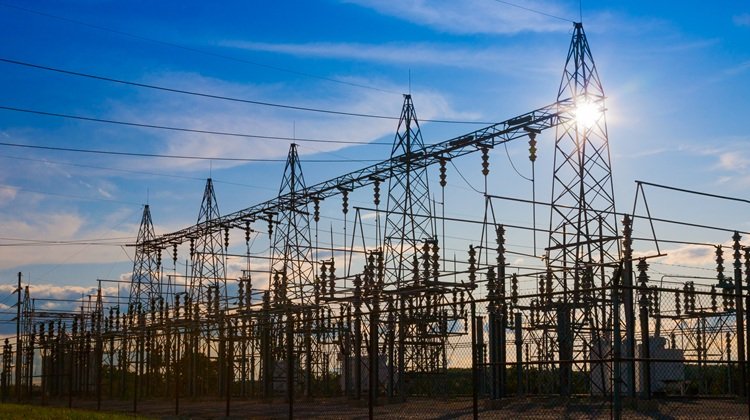


The National Electric Coordinator has opened an international tender to build the Punilla and Quinchamalí substations, key projects to strengthen grid reliability in Chile’s Ñuble region with an estimated investment of USD 28.6 million.
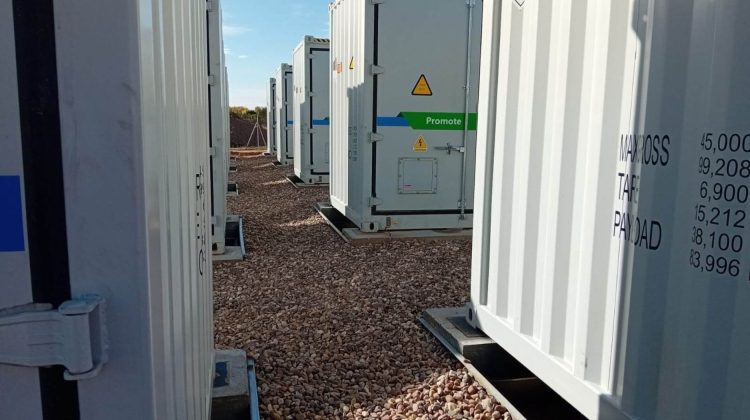
The battery energy storage system (BESS), located in northern Chile, has 46 MW of installed capacity and represents an investment of approximately US$64 million.
The initiative aims to reduce the fiscal burden of electricity subsidies, expand energy access and accelerate the country’s transition towards renewable energy.
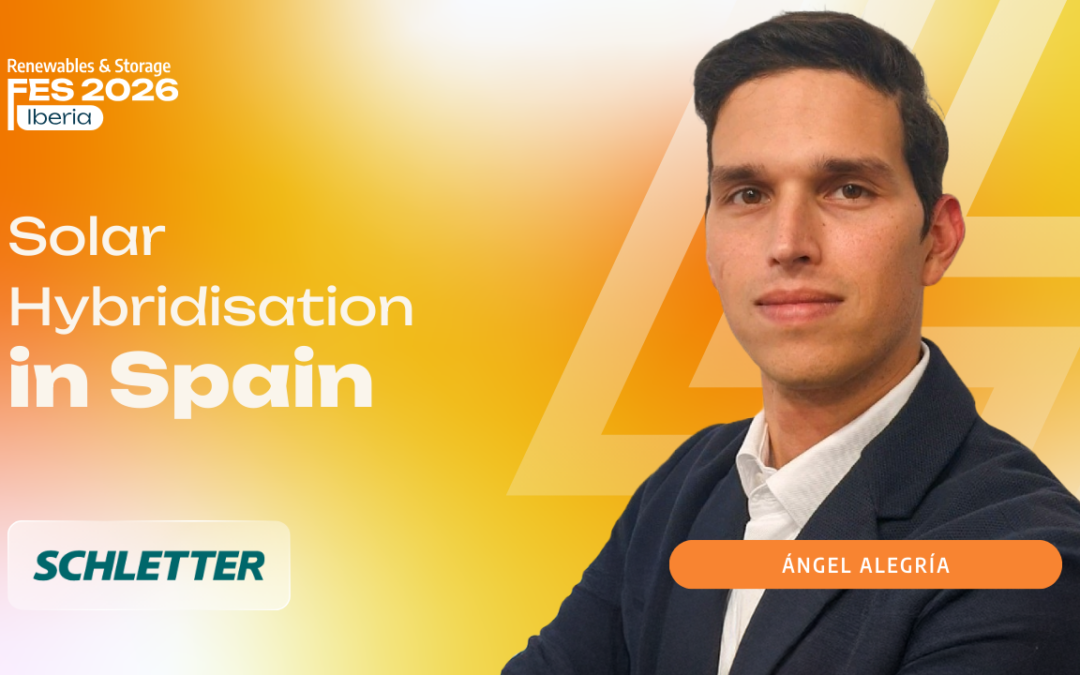
The expansion of energy storage and hybrid energy models is driving changes in solar PV plant engineering. Schletter warns that mounting structures must adapt to more complex terrain, integrate batteries without increasing project costs, and ensure reliability for assets designed to operate for decades.
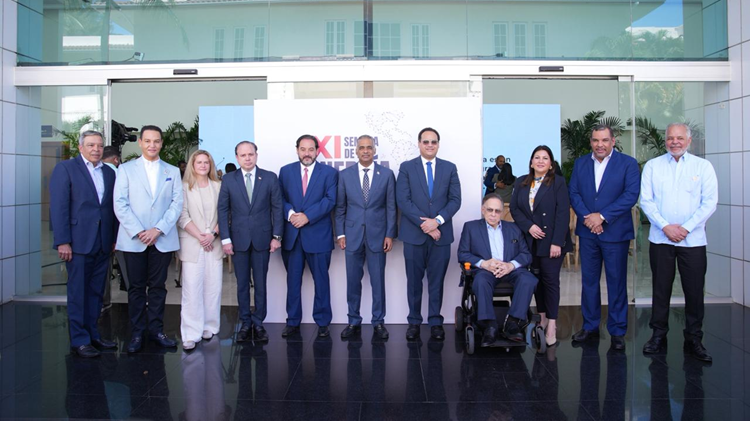
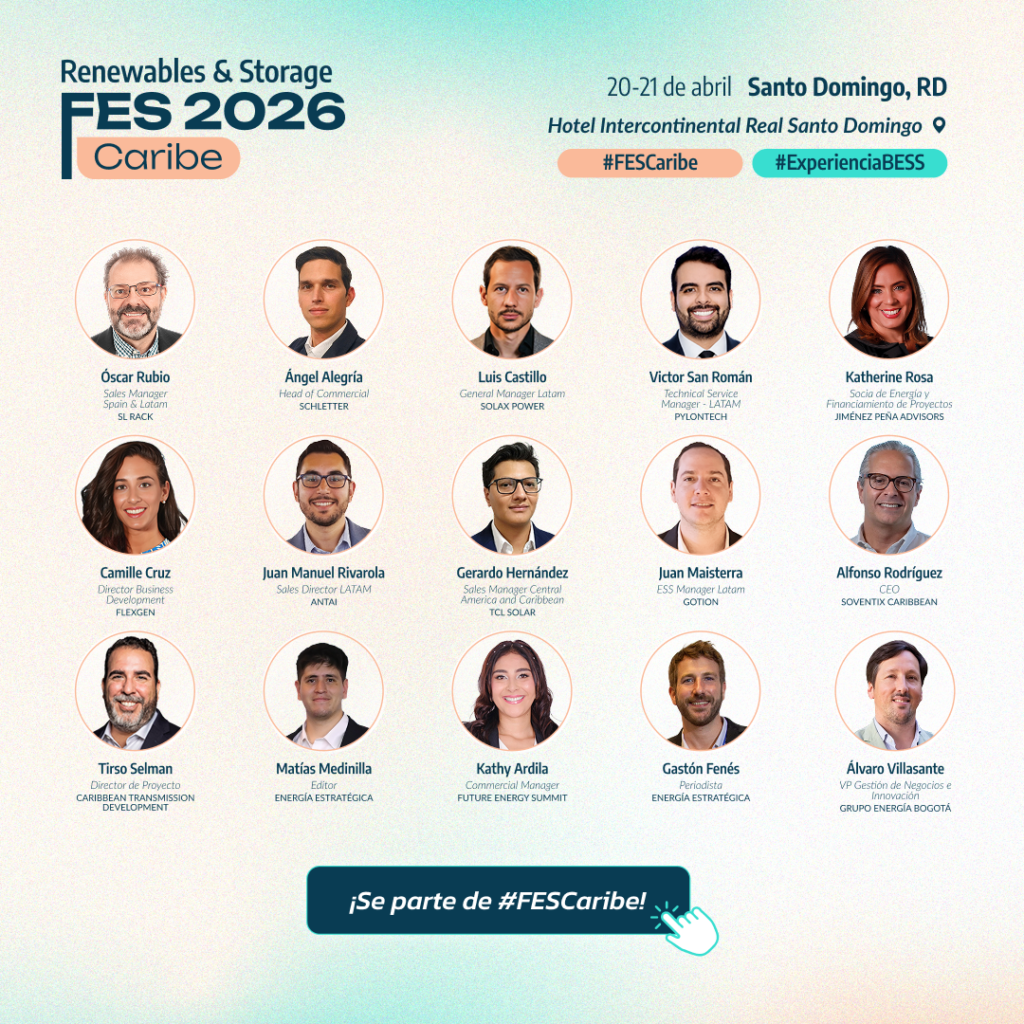
Future Energy Summit is entering the final stage of promotional ticket sales for its upcoming energy sector meetings in the region: FES Caribbean (20 and 21 April in Santo Domingo), FES Guatemala (14 May at the Real InterContinental Guatemala) and FES Mexico (19 May at the Marriott Mexico City Reforma Hotel), which will bring together executives, developers, manufacturers, investors and authorities from the renewable energy market.
The engineering firm is strengthening its presence in Mexico and is already participating in tenders that could allow construction to begin in the coming months, amid a revival of the sector after years of regulatory uncertainty. “Our goal is to position ourselves in large-scale projects where high-quality engineering makes a real difference,” says Andrés Medina, Business Development Director at Sólida.
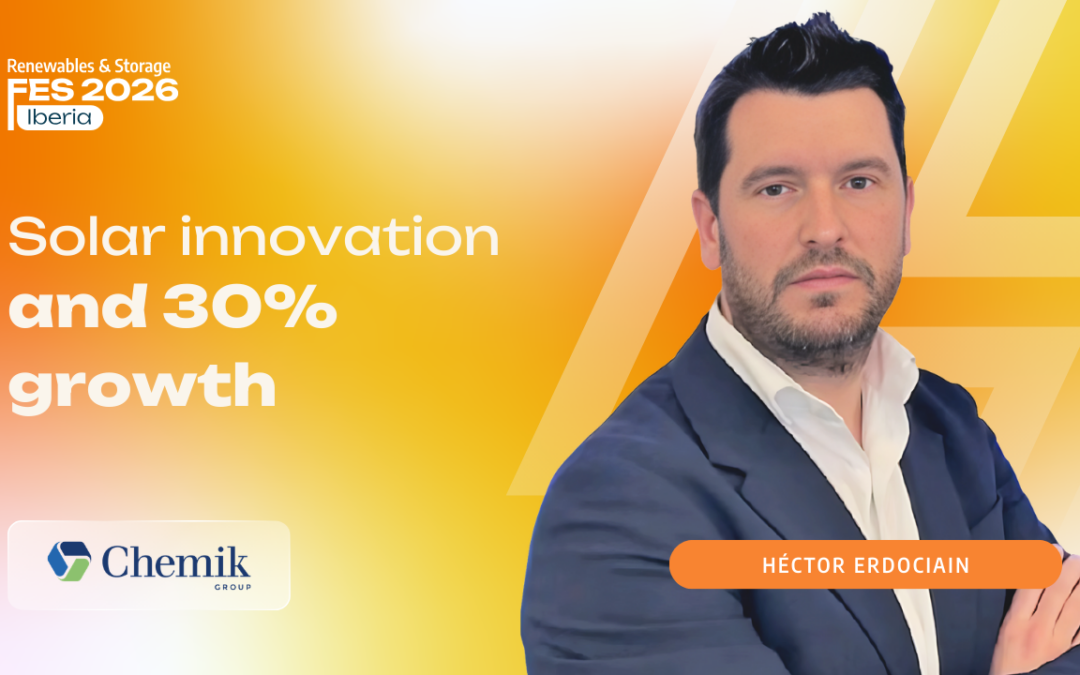
Chemik’s CSO & CTO, Héctor Erdociain, unveiled two technological solutions designed to optimise installations using string inverters, reduce electrical risks in the field and strengthen asset reliability. The company supplied 6 GW over the past year and expects to continue expanding internationally.
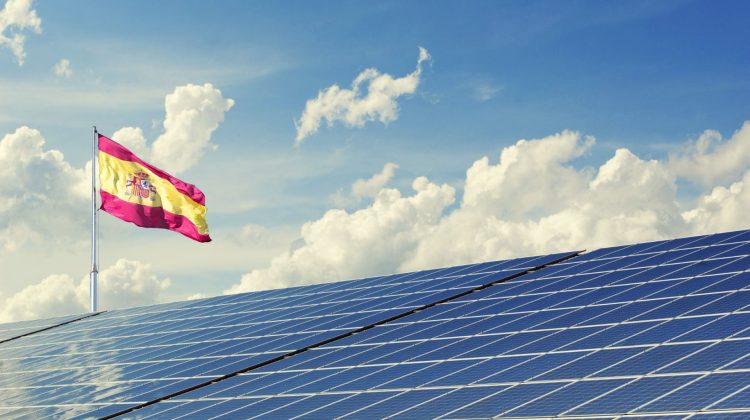
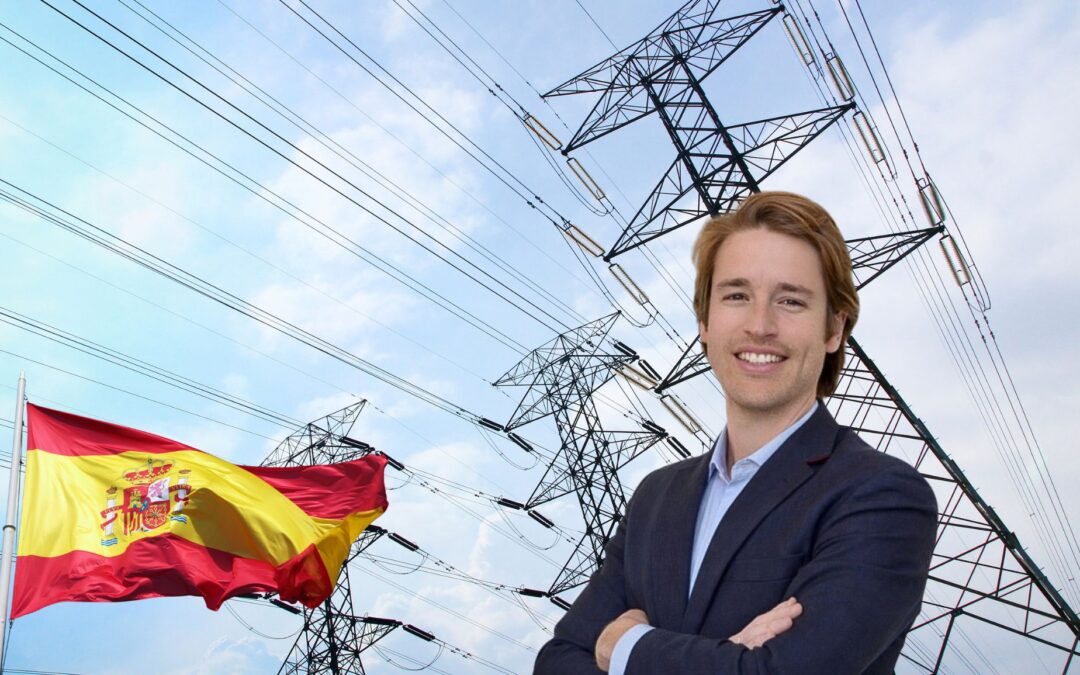
Spain’s electricity system added more than 10 GW of new renewable capacity in 2025—nearly 9 GW from solar PV—and more than 11 GW when distributed self-consumption is included. Energy storage reached 3.4 GW installed while national electricity demand climbed to 256 TWh, according to the latest report from grid operator Red Eléctrica.
Panama’s LPI 01-26 tender for existing power plants received 71 offers—67 from renewable energy projects, mainly hydropower and solar PV—highlighting the growing role of clean generation in the country’s electricity mix.
Rising geopolitical tensions are pushing gas and oil prices higher, exposing Europe’s energy dependence while generating uneven effects across hydrocarbon exporters and importers in Latin America.
The company is consolidating its global positioning while expanding its technology strategy with energy storage and higher-efficiency modules. At the same time, it identifies a more technically mature Argentine market, where dialogue between manufacturers and developers is becoming increasingly specialised.
The Spanish renewable energy developer reaches 3,280 MWh of battery storage capacity with environmental clearance, strengthening its strategy to hybridise solar PV plants with energy storage systems.
The transaction includes more than 1,200 MW of renewable energy assets and represents one of the most significant recent deals in Latin America’s power sector.
Energía Estratégica’s digital catalogue launches its second edition with confirmed manufacturers and developers, expanding its technical platform featuring solar modules, inverters, battery storage systems and trackers.
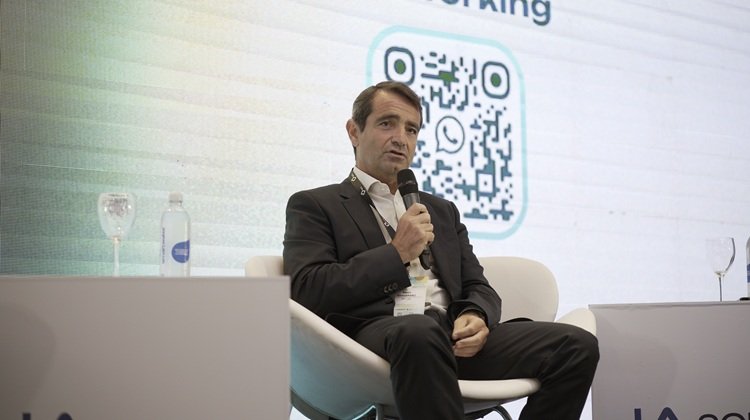
Following the first tender that awarded 928 MW to industrial and green hydrogen projects, the sector is assessing the outcomes and looking ahead. Jorge González Onieva Johansson, from OSPREL, warns that access to grid capacity is becoming a strategic resource as Spain’s transmission system operator identifies 75 grid nodes that could be included in future tenders, with the next call potentially arriving between the first and second quarter of the year.
Martín Mandarano says Argentina’s power sector is returning to market-based dynamics after Resolution 400/2025, with private power purchase agreements, risk management and new infrastructure becoming central as energy demand from lithium mining grows.
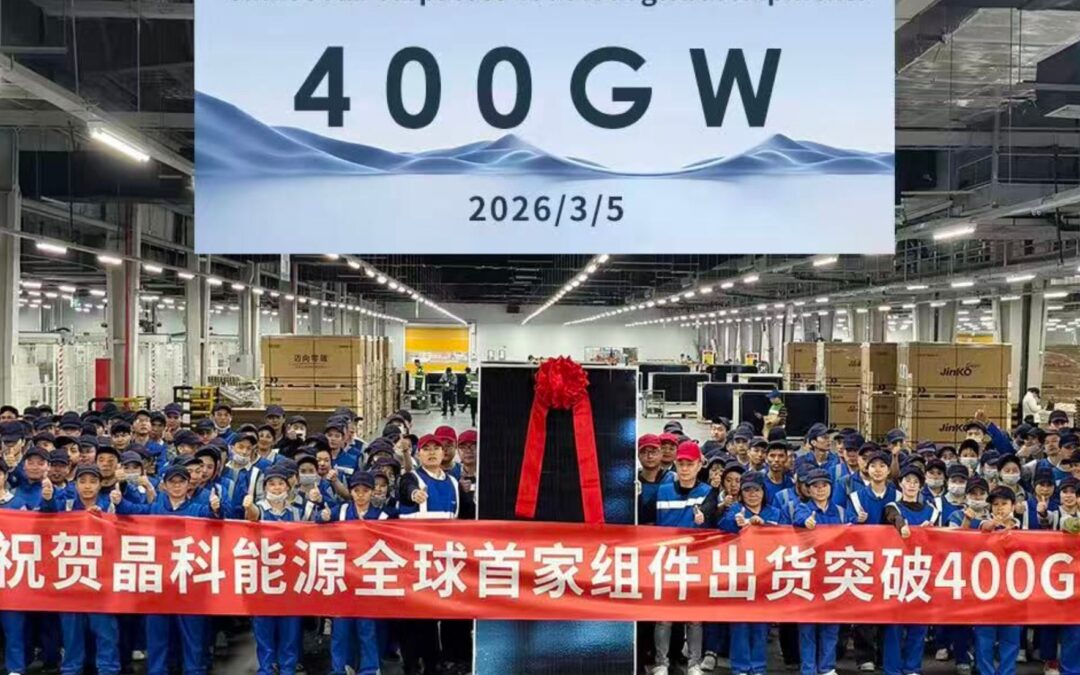
The manufacturer reaches a new milestone after delivering more than 400 GW of photovoltaic modules, enough capacity to power 40 million homes. With costs falling from USD 3/W to just USD 0.10/W over two decades, the sector is entering a phase where the challenge is no longer price, but solar’s strategic value within the energy system.
The regional energy summit will take place in October, bringing together more than 200 speakers and nearly 3,000 participants from governments, the private sector, multilateral organisations and civil society.
The National Energy Commission (CNE) released a new contractual model governing how power plants, energy storage systems and large consumers connect to Mexico’s national transmission and distribution grids, aiming to streamline procedures and update the country’s electricity regulatory framework.
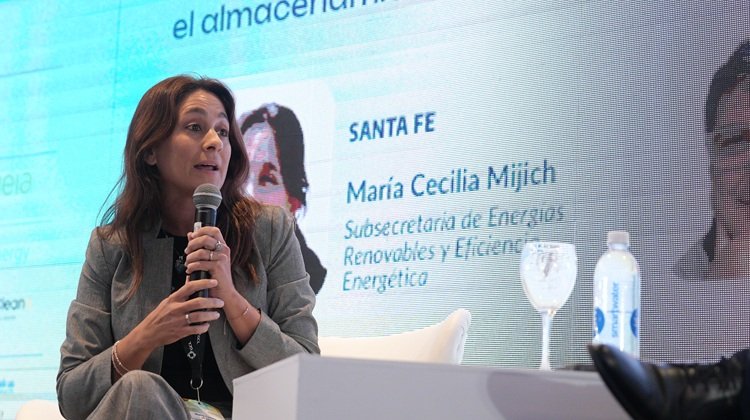
Argentina’s Santa Fe province is assessing new renewable energy auctions under its Generfe programme while expanding the Prosumidores distributed generation scheme, which already counts 1,500 prosumers and nearly 10 MW installed.
Spain-based developer Energía Aljaval has approved a 2026–2027 strategic plan focused on eight utility-scale solar PV projects with battery energy storage, aiming to reach Ready-to-Build status by 2027 and commercial operation by the end of the decade.

The National Electric Coordinator has opened an international tender to build the Punilla and Quinchamalí substations, key projects to strengthen grid reliability in Chile’s Ñuble region with an estimated investment of USD 28.6 million.
The battery energy storage system (BESS), located in northern Chile, has 46 MW of installed capacity and represents an investment of approximately US$64 million.
The initiative aims to reduce the fiscal burden of electricity subsidies, expand energy access and accelerate the country’s transition towards renewable energy.
The expansion of energy storage and hybrid energy models is driving changes in solar PV plant engineering. Schletter warns that mounting structures must adapt to more complex terrain, integrate batteries without increasing project costs, and ensure reliability for assets designed to operate for decades.
Future Energy Summit is entering the final stage of promotional ticket sales for its upcoming energy sector meetings in the region: FES Caribbean (20 and 21 April in Santo Domingo), FES Guatemala (14 May at the Real InterContinental Guatemala) and FES Mexico (19 May at the Marriott Mexico City Reforma Hotel), which will bring together executives, developers, manufacturers, investors and authorities from the renewable energy market.
The engineering firm is strengthening its presence in Mexico and is already participating in tenders that could allow construction to begin in the coming months, amid a revival of the sector after years of regulatory uncertainty. “Our goal is to position ourselves in large-scale projects where high-quality engineering makes a real difference,” says Andrés Medina, Business Development Director at Sólida.
Chemik’s CSO & CTO, Héctor Erdociain, unveiled two technological solutions designed to optimise installations using string inverters, reduce electrical risks in the field and strengthen asset reliability. The company supplied 6 GW over the past year and expects to continue expanding internationally.
Spain’s electricity system added more than 10 GW of new renewable capacity in 2025—nearly 9 GW from solar PV—and more than 11 GW when distributed self-consumption is included. Energy storage reached 3.4 GW installed while national electricity demand climbed to 256 TWh, according to the latest report from grid operator Red Eléctrica.
Panama’s LPI 01-26 tender for existing power plants received 71 offers—67 from renewable energy projects, mainly hydropower and solar PV—highlighting the growing role of clean generation in the country’s electricity mix.
Rising geopolitical tensions are pushing gas and oil prices higher, exposing Europe’s energy dependence while generating uneven effects across hydrocarbon exporters and importers in Latin America.
The company is consolidating its global positioning while expanding its technology strategy with energy storage and higher-efficiency modules. At the same time, it identifies a more technically mature Argentine market, where dialogue between manufacturers and developers is becoming increasingly specialised.
The Spanish renewable energy developer reaches 3,280 MWh of battery storage capacity with environmental clearance, strengthening its strategy to hybridise solar PV plants with energy storage systems.
The transaction includes more than 1,200 MW of renewable energy assets and represents one of the most significant recent deals in Latin America’s power sector.
Energía Estratégica’s digital catalogue launches its second edition with confirmed manufacturers and developers, expanding its technical platform featuring solar modules, inverters, battery storage systems and trackers.
Following the first tender that awarded 928 MW to industrial and green hydrogen projects, the sector is assessing the outcomes and looking ahead. Jorge González Onieva Johansson, from OSPREL, warns that access to grid capacity is becoming a strategic resource as Spain’s transmission system operator identifies 75 grid nodes that could be included in future tenders, with the next call potentially arriving between the first and second quarter of the year.
Martín Mandarano says Argentina’s power sector is returning to market-based dynamics after Resolution 400/2025, with private power purchase agreements, risk management and new infrastructure becoming central as energy demand from lithium mining grows.
The manufacturer reaches a new milestone after delivering more than 400 GW of photovoltaic modules, enough capacity to power 40 million homes. With costs falling from USD 3/W to just USD 0.10/W over two decades, the sector is entering a phase where the challenge is no longer price, but solar’s strategic value within the energy system.
The regional energy summit will take place in October, bringing together more than 200 speakers and nearly 3,000 participants from governments, the private sector, multilateral organisations and civil society.
The National Energy Commission (CNE) released a new contractual model governing how power plants, energy storage systems and large consumers connect to Mexico’s national transmission and distribution grids, aiming to streamline procedures and update the country’s electricity regulatory framework.
Argentina’s Santa Fe province is assessing new renewable energy auctions under its Generfe programme while expanding the Prosumidores distributed generation scheme, which already counts 1,500 prosumers and nearly 10 MW installed.
Spain-based developer Energía Aljaval has approved a 2026–2027 strategic plan focused on eight utility-scale solar PV projects with battery energy storage, aiming to reach Ready-to-Build status by 2027 and commercial operation by the end of the decade.
Select the sector you
want to know more about
Rising oil prices driven by Middle East tensions are accelerating cost savings from electric mobility across Latin America and the Caribbean
PEG-5 auction allocates 1.1 GW of clean energy out of 1.5 GW total, positioning storage-backed renewables at the core of future power system expansion
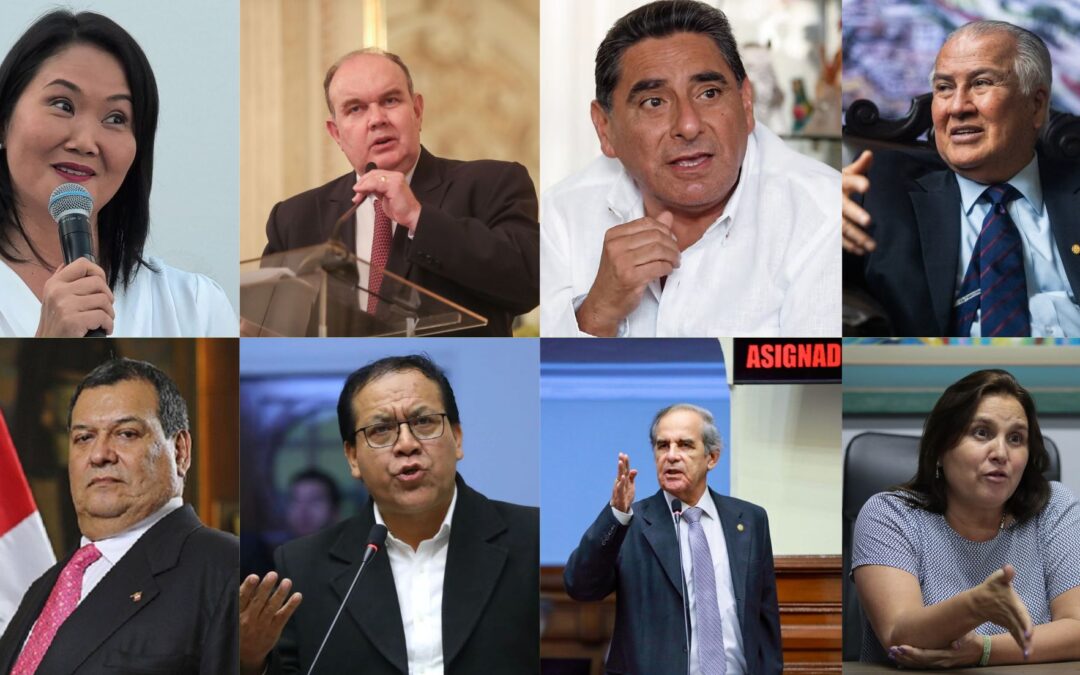
Less than a week before the 12 April elections, Peru faces a highly fragmented landscape and widespread voter indecision, with nearly one-third of the electorate still undecided. At the same time, leading candidates broadly agree on promoting renewable energy, albeit with limited policy detail, as the sector anticipates strong growth and awaits the regulation of Law 32249.