
The updated document commissioned by aelėc indicates that the Spanish electricity system was operating on 28 April with only 60% of the usual margin to absorb reactive power. In Andalusia, the available capacity was just 7.5% of its potential.


The updated document commissioned by aelėc indicates that the Spanish electricity system was operating on 28 April with only 60% of the usual margin to absorb reactive power. In Andalusia, the available capacity was just 7.5% of its potential.
The RENOINN program also subsidizes project developments with floating photovoltaic storage and collective self-consumption with the participation of vulnerable consumers. Catalonia, the Valencian Community, Castile and León, and Andalusia account for the largest number of proposals receiving aid.
There are already 679 energy communities in Spain, and Toledo has one of the best examples: the “Casco Histórico Ciudad de Toledo” Energy Community.
In the last week of July, prices in most European electricity markets fell thanks to increased solar photovoltaic and wind energy production, as well as lower demand in several countries. Daily solar generation records for the month of August were broken in Spain, Italy, Portugal, and France. In the fuel and CO₂ markets, futures experienced volatility, closing with values close to those of the previous week.
The new agreement brings Burger King®’s total contracted solar capacity in Spain to 109 MW. Iberdrola has now signed 865 MW in PPAs during 2025, cementing its leadership in corporate renewable energy agreements.
Latvia is set to get more clean energy as a result of almost € 85 million in international financing for renewable-electricity provider Sunly. Estonia-based Sunly will use the loans from the European Investment Bank (EIB), the European Bank for Reconstruction and Development (EBRD) and SEB to build four solar parks in Latvia with total capacity of 329 megawatts (MW) – enough to meet the annual electricity consumption of up to 180,000 households.
With 1.6 GW of generation and 3.3 GWh of storage, the BERD-backed plan will drive decarbonisation, grid stability, and gender equity across Central and Eastern Europe.
Promotes the incorporation of storage in existing renewable energy production facilities. Facilitates the development of industrial projects by establishing the expiration of access and connection permits after five years. Accelerates the implementation of new demands, such as charging points, by setting response deadlines for distribution companies
The batteries under construction in the Alcoutim (60.5 MWh / 120.4 MWh) and Manzanares (13.4 MW / 26.8 MWh) clusters will be added to the 5 MW / 20 MWh already operational in Alcoutim from early 2025. The entry into operation of Galp’s two solar farms in Toledo and Ahín y Almaraz (Spain), with a combined capacity of 115 MW, brings its solar energy production total to 1.7 GW.
The transatlantic energy pact foresees imports of gas, oil and uranium worth USD 750 billion over three years. Experts criticise the measure as undermining Europe’s energy transition and logistically unfeasible.
It will include provisions included in Royal Decree-Law 7/2025 that can be enacted with a lower regulatory scope. The development of industrial projects will be facilitated by establishing the expiration of access and connection permits after five years.
During the fourth week of July, solar photovoltaic energy production decreased in the main European electricity markets, while wind energy production increased in many of them. Electricity demand fell in several key markets, leading to a widespread decline in electricity prices. Brent oil and gas futures also dropped, and CO₂ emission allowance prices showed slight fluctuations.
There are already 679 energy communities in Spain, and Toledo is home to one of the most notable examples: the “Casco Histórico Ciudad de Toledo” Energy Community.
The autonomous communities will be responsible for managing the funds, the distribution of which will be approved by the Energy Sector Conference.
While the Portuguese government consolidates its progress in renewables with strong public investment and institutional coordination, Spain continues to search for pathways to implement definitive solutions.
With 2.7 GW installed in a single year, Andalusia has raised its ambitions by setting new 2030 targets, advancing in green hydrogen, biogas and storage, and calling for greater regulatory autonomy to secure its strategic role in the energy transition.
At FES Iberia 2025, Gonzalo Barba, Managing Director of TotalEnergies, emphasized the need to adapt Power Purchase Agreements (PPAs) to the new energy market landscape. He also called for increasing electrification, attracting industrial investment, and streamlining regulation to maintain Spain’s renewable leadership.
At FES Iberia 2025, Óscar Martín Pacios, CFO of Ingenostrum, highlighted the key role of data centres in balancing the power grid in an energy-surplus Spain, calling for regulatory updates to meet the new demands of a transforming electricity market.
In July, 43 projects totalling 1,991.35 MW were approved, while 24 projects amounting to 1,336.11 MW were rejected. The leading companies were GECAMA (325 MW), Enel Green Power (315.33 MW), Statkraft (153.78 MW), and Naturgy (198 MW).
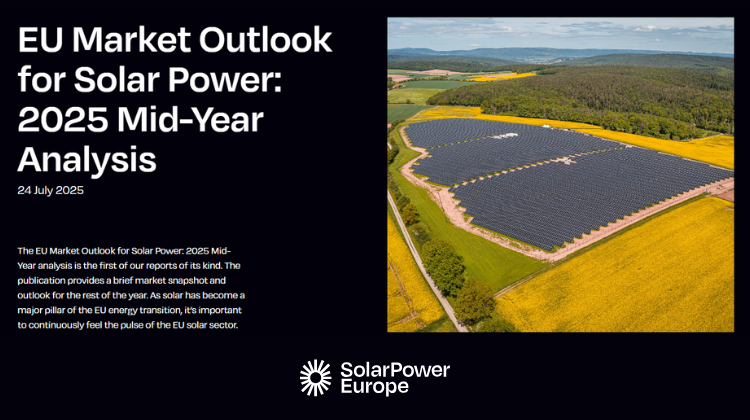
New mid-year market analysis for EU solar forecasts -1.4% annual growth for 2025. This would mark the first year of negative market growth since 2015, putting the continent’s 2030 targets at risk. Despite forecasted negative growth, years of solar boom mean that the EU will meet the RePower EU 2025 solar target of 400 GW* – by the end of the year the bloc should host 402 GW.
The regulatory framework and call for proposals for a new aid program for industrial value chain projects linked to the energy transition are being made public.

The updated document commissioned by aelėc indicates that the Spanish electricity system was operating on 28 April with only 60% of the usual margin to absorb reactive power. In Andalusia, the available capacity was just 7.5% of its potential.
The RENOINN program also subsidizes project developments with floating photovoltaic storage and collective self-consumption with the participation of vulnerable consumers. Catalonia, the Valencian Community, Castile and León, and Andalusia account for the largest number of proposals receiving aid.
There are already 679 energy communities in Spain, and Toledo has one of the best examples: the “Casco Histórico Ciudad de Toledo” Energy Community.
In the last week of July, prices in most European electricity markets fell thanks to increased solar photovoltaic and wind energy production, as well as lower demand in several countries. Daily solar generation records for the month of August were broken in Spain, Italy, Portugal, and France. In the fuel and CO₂ markets, futures experienced volatility, closing with values close to those of the previous week.
The new agreement brings Burger King®’s total contracted solar capacity in Spain to 109 MW. Iberdrola has now signed 865 MW in PPAs during 2025, cementing its leadership in corporate renewable energy agreements.
Latvia is set to get more clean energy as a result of almost € 85 million in international financing for renewable-electricity provider Sunly. Estonia-based Sunly will use the loans from the European Investment Bank (EIB), the European Bank for Reconstruction and Development (EBRD) and SEB to build four solar parks in Latvia with total capacity of 329 megawatts (MW) – enough to meet the annual electricity consumption of up to 180,000 households.
With 1.6 GW of generation and 3.3 GWh of storage, the BERD-backed plan will drive decarbonisation, grid stability, and gender equity across Central and Eastern Europe.
Promotes the incorporation of storage in existing renewable energy production facilities. Facilitates the development of industrial projects by establishing the expiration of access and connection permits after five years. Accelerates the implementation of new demands, such as charging points, by setting response deadlines for distribution companies
The batteries under construction in the Alcoutim (60.5 MWh / 120.4 MWh) and Manzanares (13.4 MW / 26.8 MWh) clusters will be added to the 5 MW / 20 MWh already operational in Alcoutim from early 2025. The entry into operation of Galp’s two solar farms in Toledo and Ahín y Almaraz (Spain), with a combined capacity of 115 MW, brings its solar energy production total to 1.7 GW.
The transatlantic energy pact foresees imports of gas, oil and uranium worth USD 750 billion over three years. Experts criticise the measure as undermining Europe’s energy transition and logistically unfeasible.
It will include provisions included in Royal Decree-Law 7/2025 that can be enacted with a lower regulatory scope. The development of industrial projects will be facilitated by establishing the expiration of access and connection permits after five years.
During the fourth week of July, solar photovoltaic energy production decreased in the main European electricity markets, while wind energy production increased in many of them. Electricity demand fell in several key markets, leading to a widespread decline in electricity prices. Brent oil and gas futures also dropped, and CO₂ emission allowance prices showed slight fluctuations.
There are already 679 energy communities in Spain, and Toledo is home to one of the most notable examples: the “Casco Histórico Ciudad de Toledo” Energy Community.
The autonomous communities will be responsible for managing the funds, the distribution of which will be approved by the Energy Sector Conference.
While the Portuguese government consolidates its progress in renewables with strong public investment and institutional coordination, Spain continues to search for pathways to implement definitive solutions.
With 2.7 GW installed in a single year, Andalusia has raised its ambitions by setting new 2030 targets, advancing in green hydrogen, biogas and storage, and calling for greater regulatory autonomy to secure its strategic role in the energy transition.
At FES Iberia 2025, Gonzalo Barba, Managing Director of TotalEnergies, emphasized the need to adapt Power Purchase Agreements (PPAs) to the new energy market landscape. He also called for increasing electrification, attracting industrial investment, and streamlining regulation to maintain Spain’s renewable leadership.
At FES Iberia 2025, Óscar Martín Pacios, CFO of Ingenostrum, highlighted the key role of data centres in balancing the power grid in an energy-surplus Spain, calling for regulatory updates to meet the new demands of a transforming electricity market.
In July, 43 projects totalling 1,991.35 MW were approved, while 24 projects amounting to 1,336.11 MW were rejected. The leading companies were GECAMA (325 MW), Enel Green Power (315.33 MW), Statkraft (153.78 MW), and Naturgy (198 MW).
New mid-year market analysis for EU solar forecasts -1.4% annual growth for 2025. This would mark the first year of negative market growth since 2015, putting the continent’s 2030 targets at risk. Despite forecasted negative growth, years of solar boom mean that the EU will meet the RePower EU 2025 solar target of 400 GW* – by the end of the year the bloc should host 402 GW.
The regulatory framework and call for proposals for a new aid program for industrial value chain projects linked to the energy transition are being made public.
Select the sector you
want to know more about
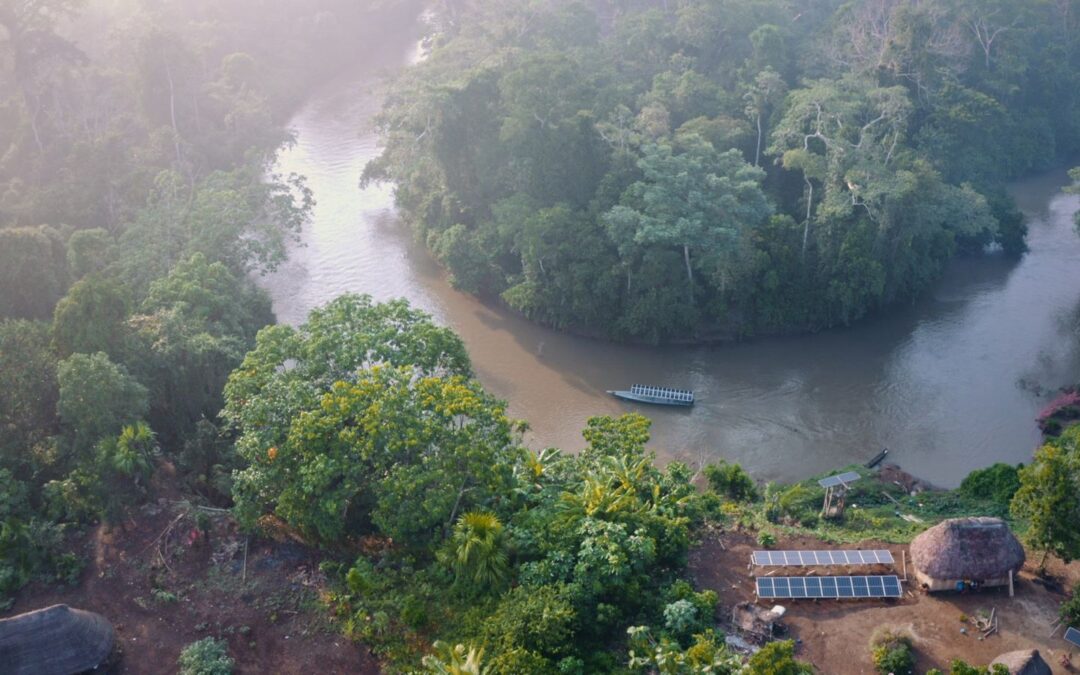
Based in the Achuar territory of Ecuador, this electric river transport model combines Indigenous technicians, community solar charging stations and jungle-adapted motors. The goal is to replace fossil fuels and offer a sustainable alternative to road expansion in strategic areas of the Amazon basin.
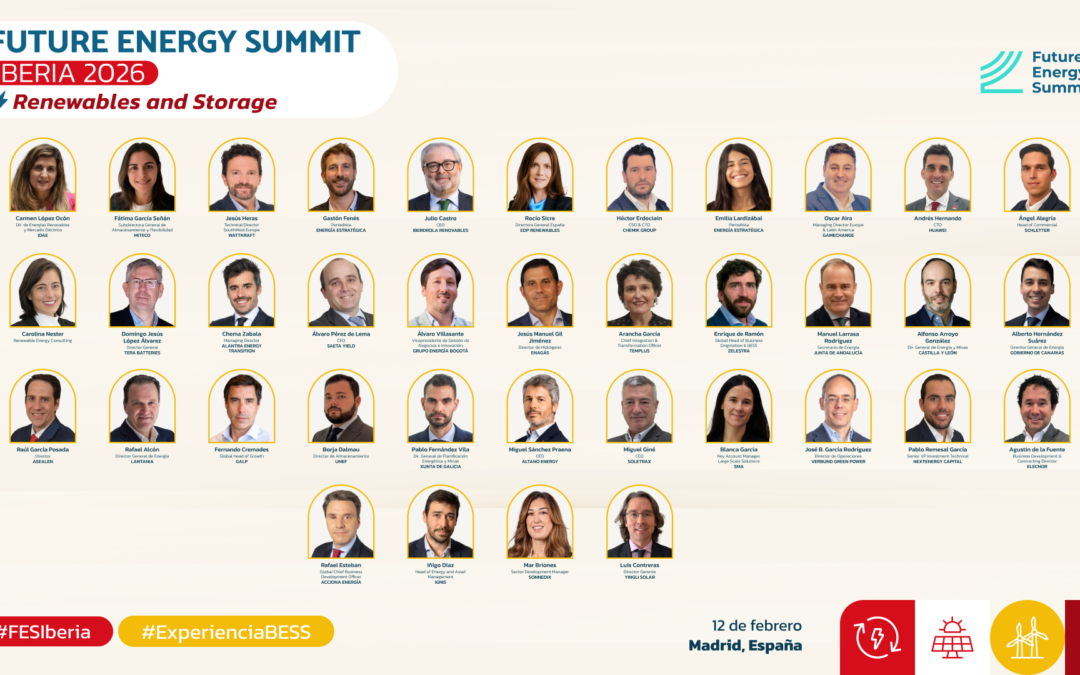
More than 40 confirmed speakers – including leading CEOs and senior regional government officials – will headline the event that opens the 2026 Future Energy Summit calendar, amid regulatory acceleration, new projects in the pipeline and growing opportunities for energy storage across the Iberian Peninsula.
Between mid-January and early February, Spain advanced environmental permitting for more than 1.6 GW of renewable energy projects, with solar PV accounting for over 70% of the total. Forestalia, Galp and Iberdrola emerged as the most active developers, according to an analysis by Energía Estratégica based on official BOE data.