
CYMI Brasil, ENGIE and Enind Engenharia secured five lots covering nearly 800 km of new transmission lines. The auction mobilised R$3.3 billion in investment, with a 50.69% tariff discount expected to save consumers R$7.6 billion.
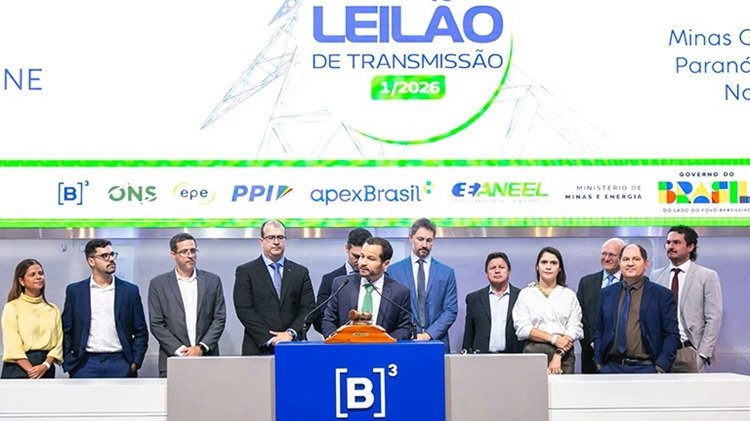


CYMI Brasil, ENGIE and Enind Engenharia secured five lots covering nearly 800 km of new transmission lines. The auction mobilised R$3.3 billion in investment, with a 50.69% tariff discount expected to save consumers R$7.6 billion.
The conflict is once again putting pressure on global energy markets, but not all power systems react in the same way. While gas continues to set prices across much of Europe, countries with high renewable energy penetration are better able to cushion the impact. “When gas sets the price, the transmission is immediate,” warned Marin Gillot.
The company identifies grid access as the main barrier to new investment in Spain, amid regulatory uncertainty and administrative delays, while advancing a 300 MW pipeline and prioritising hybrid renewable projects with energy storage.
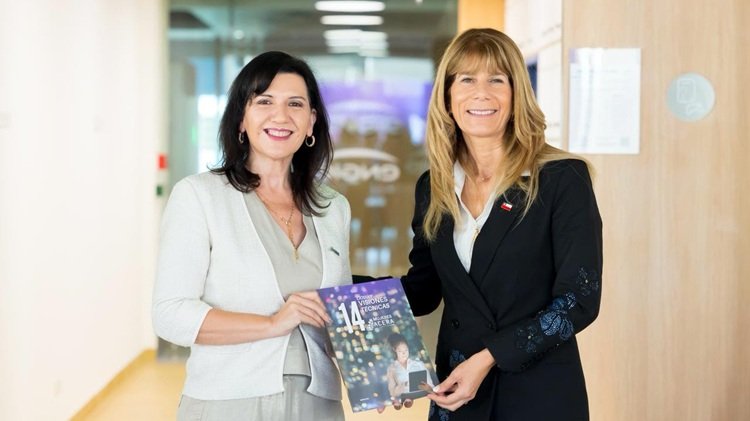
ACESOL and the Energy Ministry agree to advance regulatory reform, distributed generation and solar technologies to strengthen Chile’s clean energy transition and reduce electricity costs.
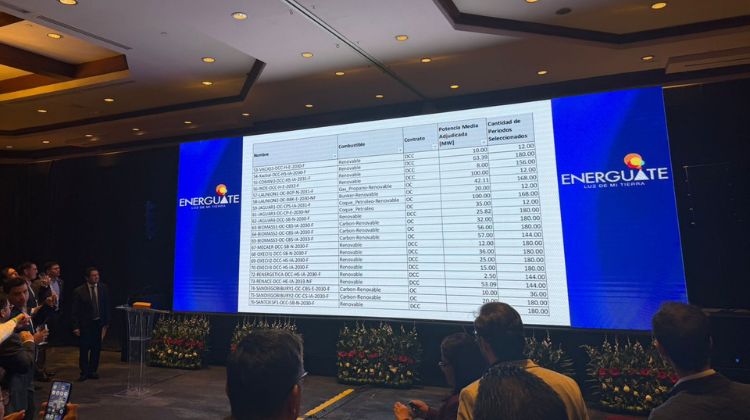
After 14 hours of bidding, preliminary results from the reverse auction suggest 48 winning offers—45 including renewable energy—exceeding 1.35 GW of capacity. Official results will be confirmed on 16 April.
Miguel Covarrubias, LATAM Sales Director at Jinko Solar, explains how dialogue among manufacturers helped drive the photovoltaic sector towards TOPCon architecture, module standardisation and higher power output.
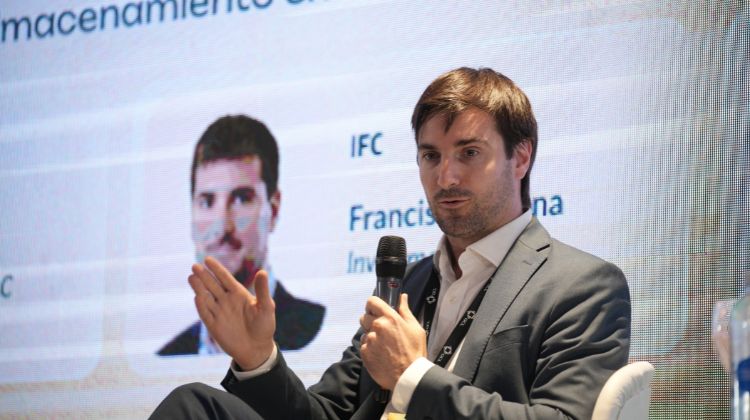
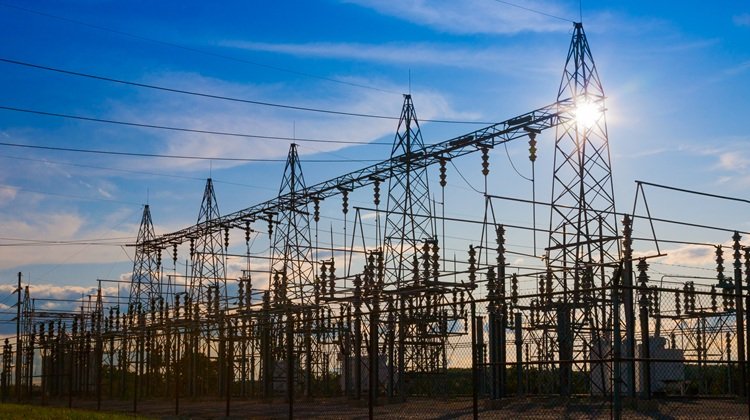
Expanding power transmission will be key to unlocking investment in renewables, storage and mining, according to the World Bank Group’s IFC.
The Chilean Renewable Energy and Storage Association presented a set of policy and technical recommendations aimed at strengthening grid integration, boosting energy storage and reducing the country’s reliance on imported fossil fuels, which still account for 63% of total energy consumption.
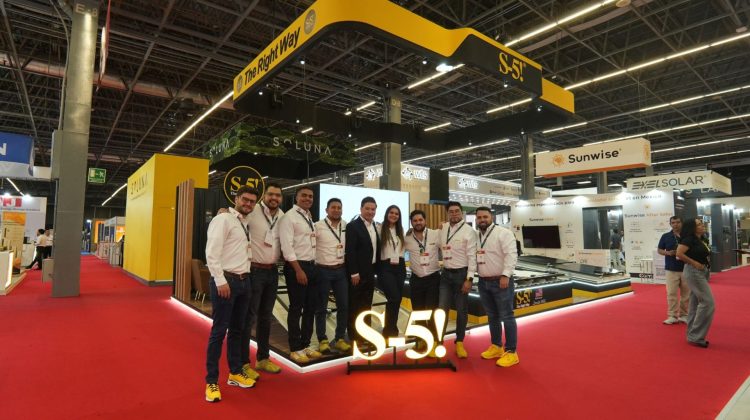
The company will showcase its latest solutions and announce new partnerships during RE+ Mexico, from 14 to 16 April in Guadalajara, Jalisco. Attendees are invited to visit stand #N20 on the exhibition floor, where S-5! experts will deliver training sessions as part of the event’s conference programme.
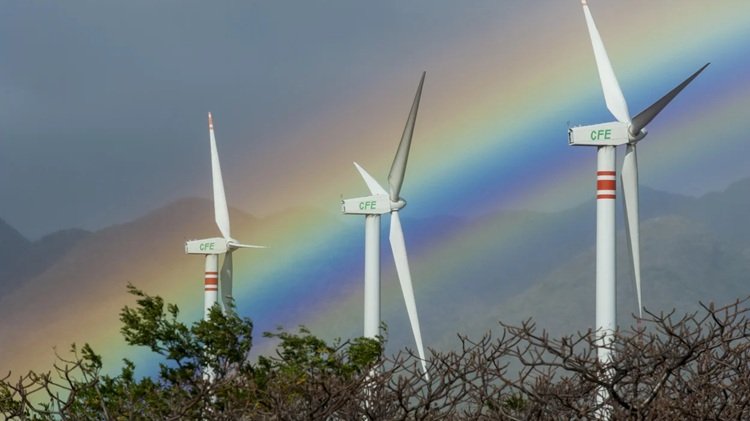
Mexico’s state utility CFE received 222 renewable energy proposals totalling nearly 38 GW—more than five times the capacity initially sought under its new mixed public-private generation scheme.
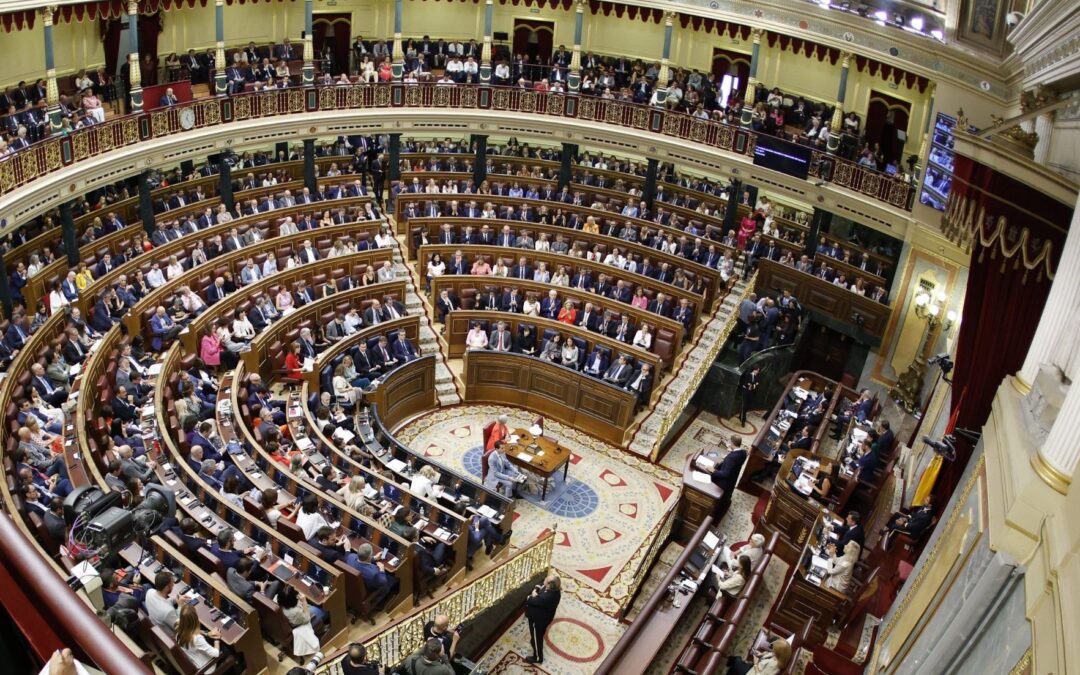
Lawmakers will vote on the ratification of a €5 billion emergency package aimed at strengthening energy security amid global market volatility. The decree introduces new rules for grid access, accelerates renewable energy deployment through priority development zones, and reshapes incentives for electrification, energy storage and industrial decarbonization.
The Argentine energy company continues to scale its renewable portfolio, with 545 MW already in operation and 220 MW under construction, while analysing participation in the country’s first large-scale battery storage auction.
The event, organised by Quantum America, will take place from 13–17 April 2026 in Brazil and will bring together regulators, executives and industry specialists to discuss the future of public utilities in Latin America, with a focus on grid infrastructure, energy storage, renewable integration and new tariff models.

Eduardo Oviedo says Honduras must “change the business philosophy” of its state-owned utility to restore financial stability and deliver benefits to citizens.
Coral Energía plans to end 2026 with 260 MW of built capacity and around 400 MW across contracted and pipeline projects, while expanding into large-scale battery storage, corporate PPAs and potential transmission investments.

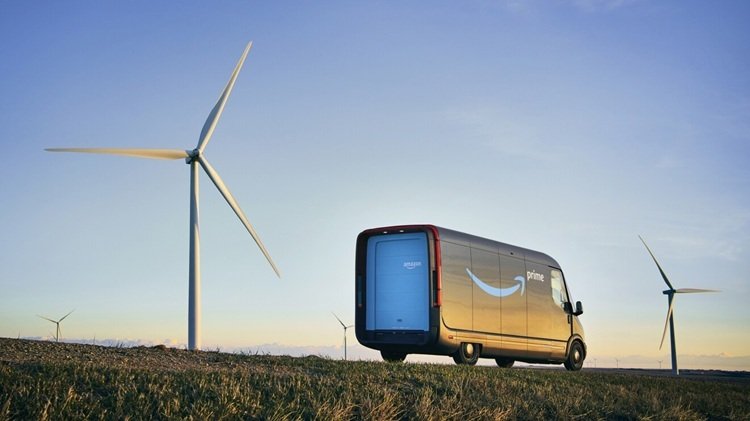
After adding seven new plants in 2025, the tech giant strengthens Spain as its second-largest renewable investment market worldwide, supporting its goal of net-zero carbon emissions by 2040.
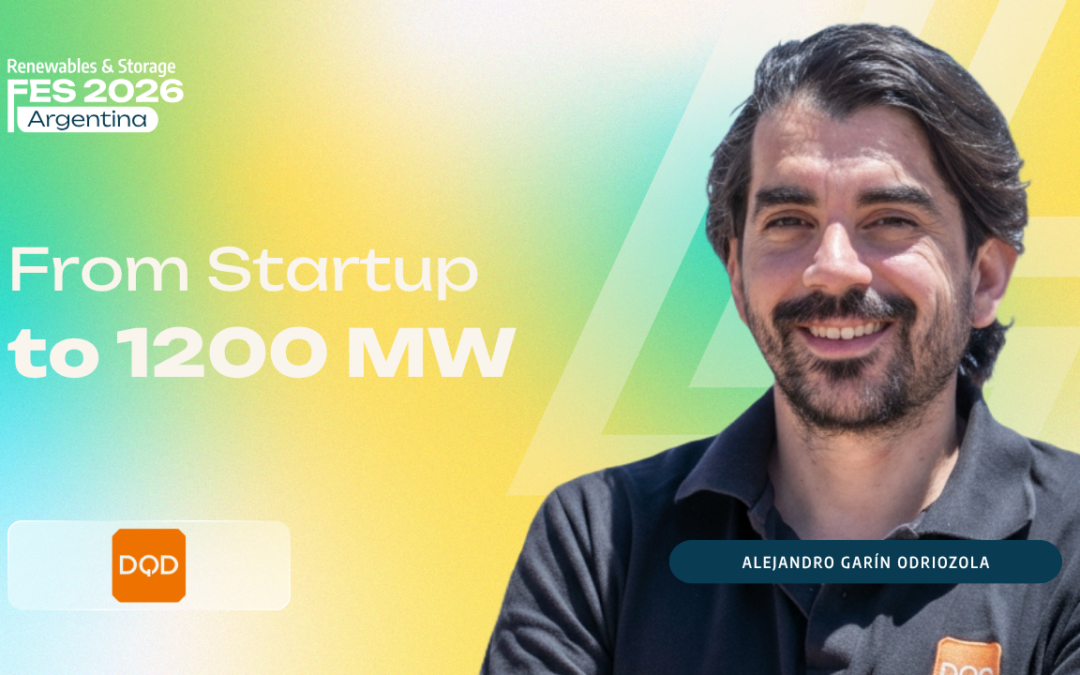
Solar DQD, an Argentina-based solar engineering, procurement and construction (EPC) company, has built more than 1.2 GW of solar PV capacity and expanded to over 1,000 employees while entering renewable generation and energy storage.
The National Electric Coordinator has opened an international tender to build the Punilla and Quinchamalí substations, key projects to strengthen grid reliability in Chile’s Ñuble region with an estimated investment of USD 28.6 million.
The battery energy storage system (BESS), located in northern Chile, has 46 MW of installed capacity and represents an investment of approximately US$64 million.
The initiative aims to reduce the fiscal burden of electricity subsidies, expand energy access and accelerate the country’s transition towards renewable energy.
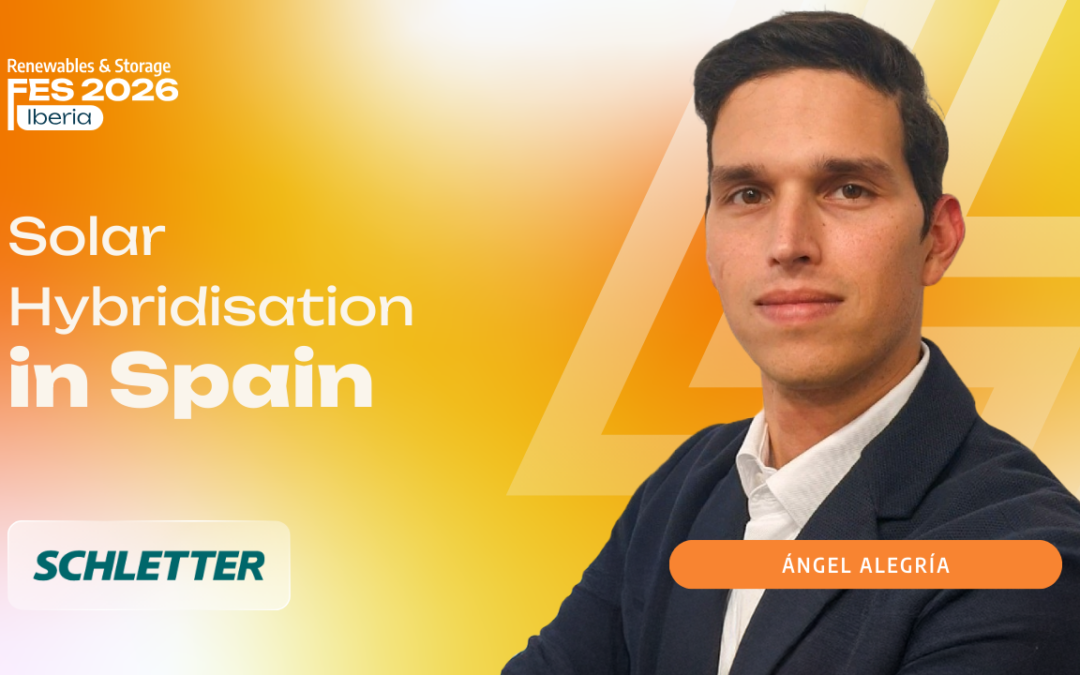
The expansion of energy storage and hybrid energy models is driving changes in solar PV plant engineering. Schletter warns that mounting structures must adapt to more complex terrain, integrate batteries without increasing project costs, and ensure reliability for assets designed to operate for decades.

CYMI Brasil, ENGIE and Enind Engenharia secured five lots covering nearly 800 km of new transmission lines. The auction mobilised R$3.3 billion in investment, with a 50.69% tariff discount expected to save consumers R$7.6 billion.
The conflict is once again putting pressure on global energy markets, but not all power systems react in the same way. While gas continues to set prices across much of Europe, countries with high renewable energy penetration are better able to cushion the impact. “When gas sets the price, the transmission is immediate,” warned Marin Gillot.
The company identifies grid access as the main barrier to new investment in Spain, amid regulatory uncertainty and administrative delays, while advancing a 300 MW pipeline and prioritising hybrid renewable projects with energy storage.
ACESOL and the Energy Ministry agree to advance regulatory reform, distributed generation and solar technologies to strengthen Chile’s clean energy transition and reduce electricity costs.
After 14 hours of bidding, preliminary results from the reverse auction suggest 48 winning offers—45 including renewable energy—exceeding 1.35 GW of capacity. Official results will be confirmed on 16 April.
Miguel Covarrubias, LATAM Sales Director at Jinko Solar, explains how dialogue among manufacturers helped drive the photovoltaic sector towards TOPCon architecture, module standardisation and higher power output.
Expanding power transmission will be key to unlocking investment in renewables, storage and mining, according to the World Bank Group’s IFC.
The Chilean Renewable Energy and Storage Association presented a set of policy and technical recommendations aimed at strengthening grid integration, boosting energy storage and reducing the country’s reliance on imported fossil fuels, which still account for 63% of total energy consumption.
The company will showcase its latest solutions and announce new partnerships during RE+ Mexico, from 14 to 16 April in Guadalajara, Jalisco. Attendees are invited to visit stand #N20 on the exhibition floor, where S-5! experts will deliver training sessions as part of the event’s conference programme.
Mexico’s state utility CFE received 222 renewable energy proposals totalling nearly 38 GW—more than five times the capacity initially sought under its new mixed public-private generation scheme.
Lawmakers will vote on the ratification of a €5 billion emergency package aimed at strengthening energy security amid global market volatility. The decree introduces new rules for grid access, accelerates renewable energy deployment through priority development zones, and reshapes incentives for electrification, energy storage and industrial decarbonization.
The Argentine energy company continues to scale its renewable portfolio, with 545 MW already in operation and 220 MW under construction, while analysing participation in the country’s first large-scale battery storage auction.
The event, organised by Quantum America, will take place from 13–17 April 2026 in Brazil and will bring together regulators, executives and industry specialists to discuss the future of public utilities in Latin America, with a focus on grid infrastructure, energy storage, renewable integration and new tariff models.

Eduardo Oviedo says Honduras must “change the business philosophy” of its state-owned utility to restore financial stability and deliver benefits to citizens.
Coral Energía plans to end 2026 with 260 MW of built capacity and around 400 MW across contracted and pipeline projects, while expanding into large-scale battery storage, corporate PPAs and potential transmission investments.

After adding seven new plants in 2025, the tech giant strengthens Spain as its second-largest renewable investment market worldwide, supporting its goal of net-zero carbon emissions by 2040.
Solar DQD, an Argentina-based solar engineering, procurement and construction (EPC) company, has built more than 1.2 GW of solar PV capacity and expanded to over 1,000 employees while entering renewable generation and energy storage.
The National Electric Coordinator has opened an international tender to build the Punilla and Quinchamalí substations, key projects to strengthen grid reliability in Chile’s Ñuble region with an estimated investment of USD 28.6 million.
The battery energy storage system (BESS), located in northern Chile, has 46 MW of installed capacity and represents an investment of approximately US$64 million.
The initiative aims to reduce the fiscal burden of electricity subsidies, expand energy access and accelerate the country’s transition towards renewable energy.
The expansion of energy storage and hybrid energy models is driving changes in solar PV plant engineering. Schletter warns that mounting structures must adapt to more complex terrain, integrate batteries without increasing project costs, and ensure reliability for assets designed to operate for decades.
Select the sector you
want to know more about
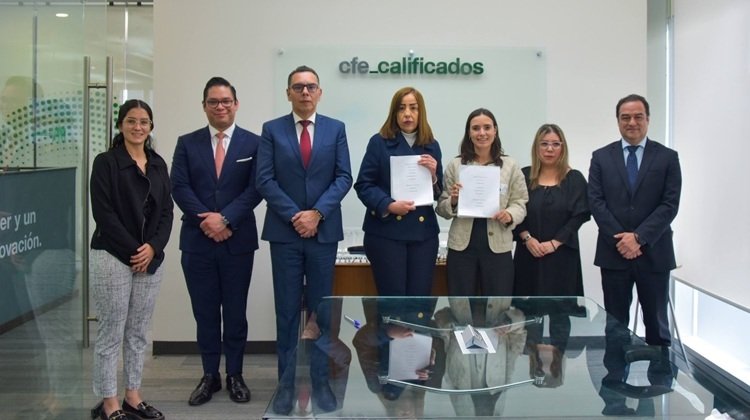
CFE’s qualified supply subsidiary signs power purchase agreements with Copenhagen Infrastructure Partners to integrate two solar PV projects in Campeche, supporting Mexico’s renewable energy and grid reliability strategy.
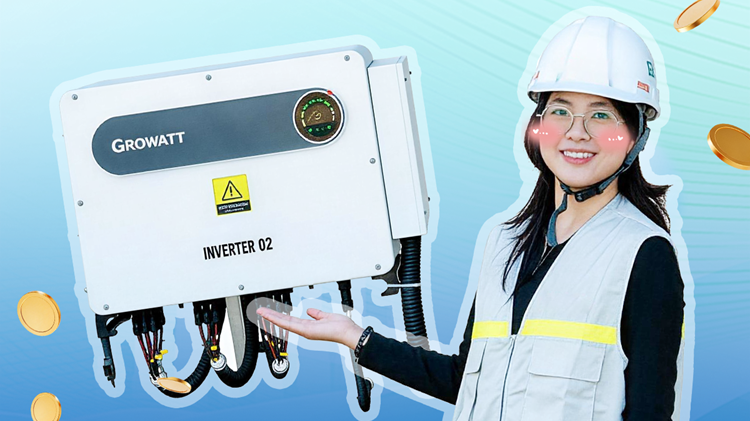
The “Smiles Behind Every Kilowatt” initiative invites solar professionals worldwide to share project experiences, highlighting the human expertise driving renewable energy deployment.
The local utility becomes the first distribution company to fully replace purchases from the wholesale market administrator with a private generator, signalling new contracting models in Argentina’s electricity sector.