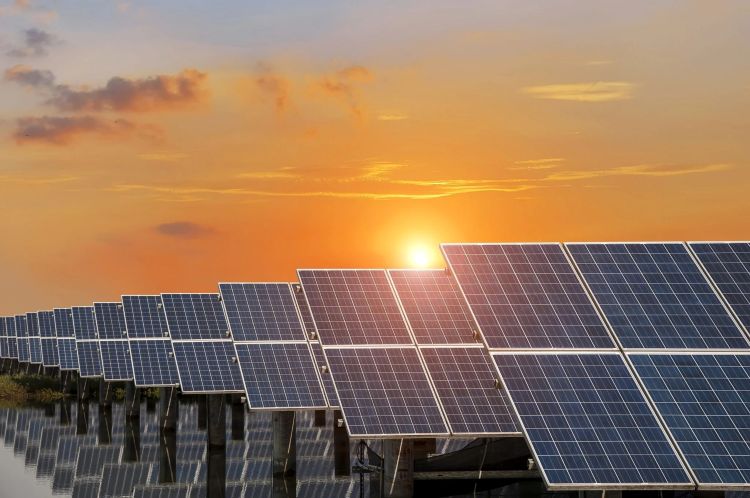

The Province of La Pampa has awarded a 15-MW solar PV project in General Pico—its first developed under a majority private-investment model combining 80% private capital and 20% participation from state-owned energy company Pampetrol SAPEM.
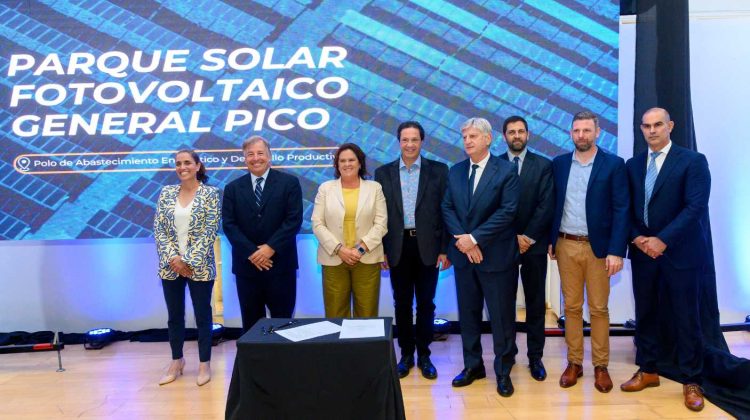


The Province of La Pampa has awarded a 15-MW solar PV project in General Pico—its first developed under a majority private-investment model combining 80% private capital and 20% participation from state-owned energy company Pampetrol SAPEM.
Two days after the presidential election, Honduras remains without a projected winner. The National Electoral Council (CNE) suspended the preliminary vote count at 57% of tallied precincts, with conservative candidate Nasry Asfura and centrist contender Salvador Nasralla separated by only 515 votes. The political uncertainty is already shaping expectations for the country’s economic and energy-policy trajectory.
During an interview with Energía Estratégica at GENERA 2025, Christopher Atassi Morales —CEO of Solar Steel, a Spanish manufacturer of solar trackers and mounting solutions— reflects on a year marked by market volatility, negative energy prices and curtailment across Europe. Despite the challenging context, the company achieved record growth, driven by innovation and competitiveness.
With a global footprint and state-of-the-art solar technology, the company is already supplying 1.25 GW to the Middle East and guarantees 30 years of operation with minimal degradation — just 0.4% per year — across its N-Type TOPCon product line.
With an investment roadmap reaching USD 900 million, Genneia is advancing new clean-energy infrastructure, expanding its portfolio with battery storage and strengthening its institutional positioning in the PV Book 2025 as a leading actor in Argentina’s renewable-energy ecosystem.

The rebranding formalizes a process launched in 2007, when regional energy ministers approved an amendment to the Lima Convention to explicitly recognize Caribbean member states in the organization’s official name.
Goodenergy will now offer S-5!’s metal-roof fastening and engineering solutions for solar photovoltaic (PV) installations to its national distributor network and C&I segment. This partnership strengthens S-5!’s presence in Latin America and expands access to its rail-less PV mounting solutions across the region.
With more than 185,000 home batteries in place and 81,000 households sharing stored energy, the CBES+ platform strengthens Puerto Rico’s grid and helps avoid nighttime outages. The initiative may soon reach another 80,000 homes, forming one of the world’s largest virtual power plants.
The company—formerly known as Nextracker—announced its rebranding and expanded technology offering during the Future Energy Summit Southern Cone 2025 in Santiago, Chile. NextPower has already supplied more than 24 GW across Latin America, including 3.5 GW in Chile alone.

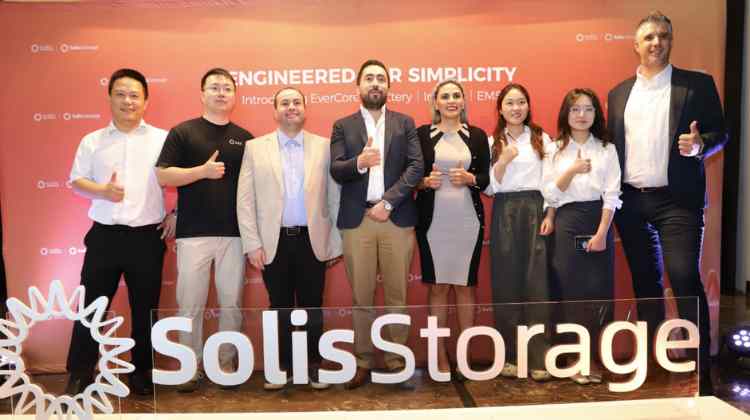
EverCore integrates a single factory-assembled, ready-to-install solution combining a hybrid inverter, a battery system and an advanced energy management system (EMS). The rollout begins with two main configurations: 100/120 kWh paired with the SolisStorage 50/60 kW hybrid inverter, and 261 kWh paired with the SolisStorage 125 kW hybrid inverter. This marks SolisStorage’s expansion beyond inverter manufacturing toward full storage solutions.
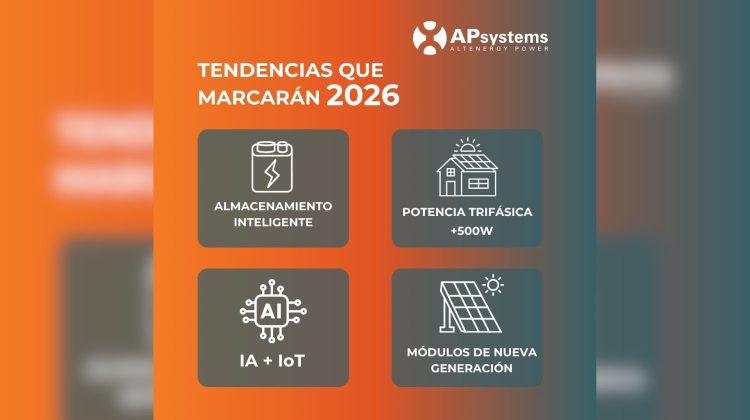
APsystems is rolling out new innovations in its products and services. Here’s what events and training activities you should keep on your radar to start 2026 with a competitive edge.
The amendment of Supreme Decrees 10, 37, 88 and 125 must be completed before 27 December, as announced at the Future Energy Summit (FES) Southern Cone, where public and private representatives agreed that their publication is essential to reactivate halted investments, enable urgent works and ensure remuneration for batteries.
On November 30, more than six million Hondurans will choose their next president in an election marked by mutual accusations, external involvement from the U.S. government, and a 1,500-MW renewable tender currently on hold. The energy sector is calling for urgent decisions.
During the opening panel of FES Chile, Felipe Rivero, Product Manager at Huawei Digital Power, warned that the power system is becoming less robust as synchronous machines are replaced by inverter-based resources. The solution exists—grid forming—but no one is paying for it yet.
At the Future Energy Colombia Summit 2025, the company’s CEO warned that rising demand requires thinking in terms of “energy addition” rather than just transition. He said only players with strategic grid connection points will come out ahead, urging execution and regulatory stability to avoid an investment slowdown.
Over two days of keynotes, technology sessions, factory visits and immersive brand experiences, Tongwei and its partners explored how to align long-term climate goals with concrete, bankable PV solutions in markets around the world.
The top executives of ENGIE, Enel, EDF, Acciona and Colbún warned at the Future Energy Summit that capital could shift toward markets such as Brazil, Uruguay or the United States, which offer greater stability, faster permitting and more predictable frameworks for renewable energy and energy-storage development.
Astrid Perdomo, Executive Director of AGER, cautioned that without an urgent process to expand the national transmission network, solar projects currently under development may be unable to connect to the system. The association stressed that the existing infrastructure is already operating at its limit.
More than half a million interconnection requests have been filed by users adopting decentralized power systems in Mexico. The latest figures confirm continuous growth that is reshaping the country’s energy model from the residential and commercial base.
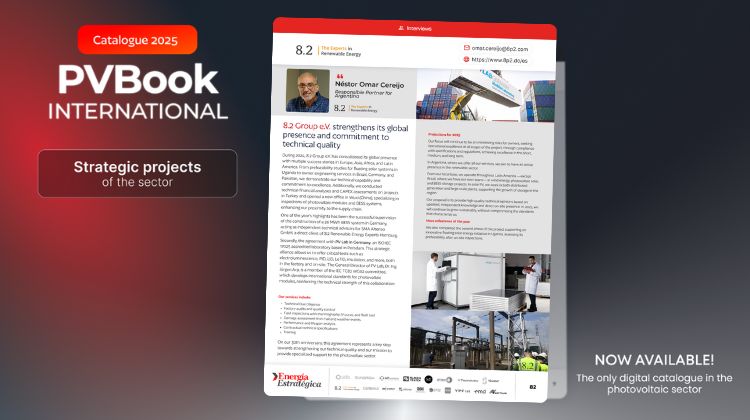
The German engineering firm 8.2 Group e.V., with three decades of experience and a regional hub in Argentina, foresees a dynamic 2025 for solar PV, BESS storage and distributed generation. The company provides technical support from manufacturing to full operation, backed by European standards and an international network of specialists.

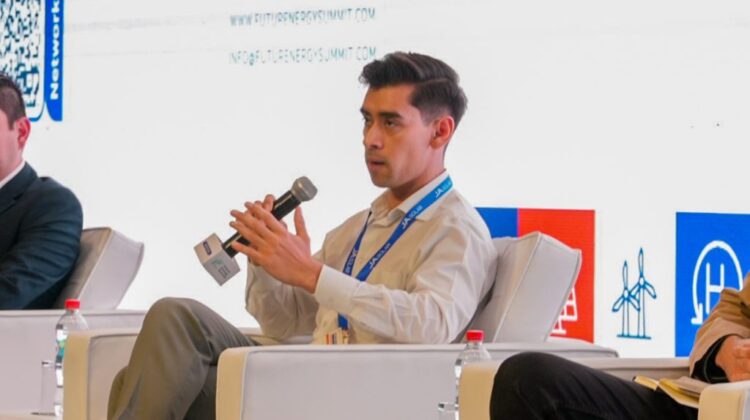
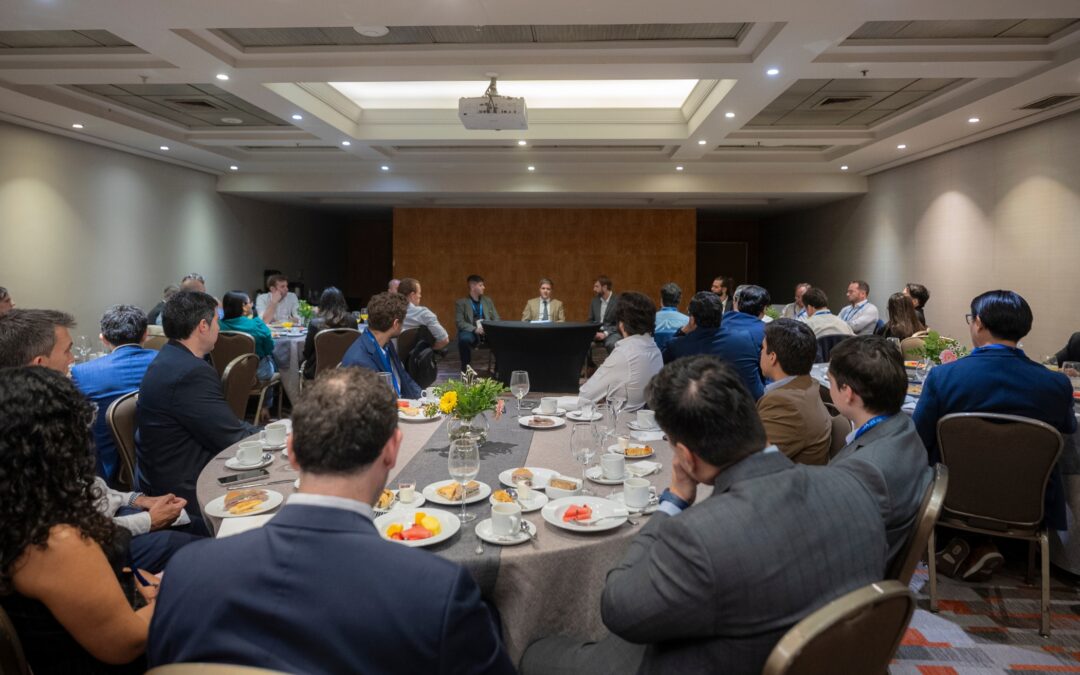
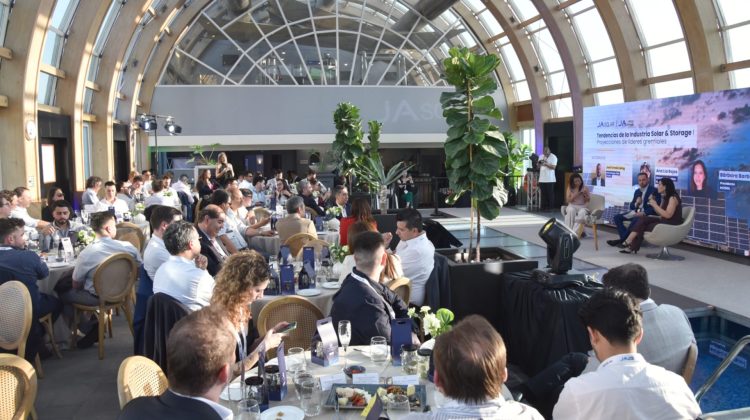
The event gathered key figures from Chile’s energy ecosystem and served as the stage for the official launch of Solar and Storage, an integrated solution that combines photovoltaic technology with energy-storage systems. Participants discussed emerging trends, regulatory challenges and Chile’s expanding role as a platform for energy innovation across the region.

The Province of La Pampa has awarded a 15-MW solar PV project in General Pico—its first developed under a majority private-investment model combining 80% private capital and 20% participation from state-owned energy company Pampetrol SAPEM.
Two days after the presidential election, Honduras remains without a projected winner. The National Electoral Council (CNE) suspended the preliminary vote count at 57% of tallied precincts, with conservative candidate Nasry Asfura and centrist contender Salvador Nasralla separated by only 515 votes. The political uncertainty is already shaping expectations for the country’s economic and energy-policy trajectory.
During an interview with Energía Estratégica at GENERA 2025, Christopher Atassi Morales —CEO of Solar Steel, a Spanish manufacturer of solar trackers and mounting solutions— reflects on a year marked by market volatility, negative energy prices and curtailment across Europe. Despite the challenging context, the company achieved record growth, driven by innovation and competitiveness.
With a global footprint and state-of-the-art solar technology, the company is already supplying 1.25 GW to the Middle East and guarantees 30 years of operation with minimal degradation — just 0.4% per year — across its N-Type TOPCon product line.

With an investment roadmap reaching USD 900 million, Genneia is advancing new clean-energy infrastructure, expanding its portfolio with battery storage and strengthening its institutional positioning in the PV Book 2025 as a leading actor in Argentina’s renewable-energy ecosystem.
The rebranding formalizes a process launched in 2007, when regional energy ministers approved an amendment to the Lima Convention to explicitly recognize Caribbean member states in the organization’s official name.
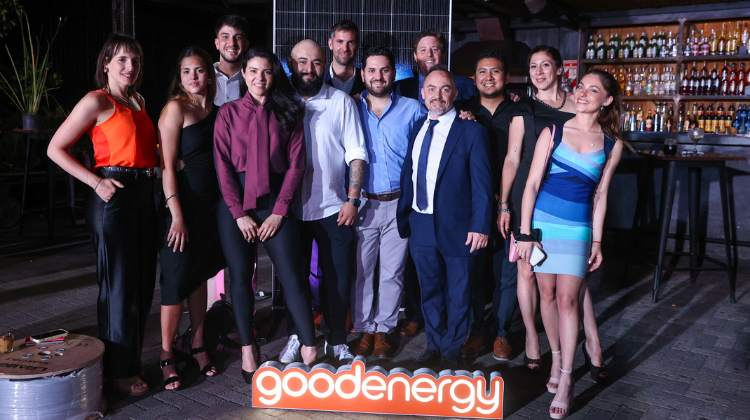
Goodenergy will now offer S-5!’s metal-roof fastening and engineering solutions for solar photovoltaic (PV) installations to its national distributor network and C&I segment. This partnership strengthens S-5!’s presence in Latin America and expands access to its rail-less PV mounting solutions across the region.
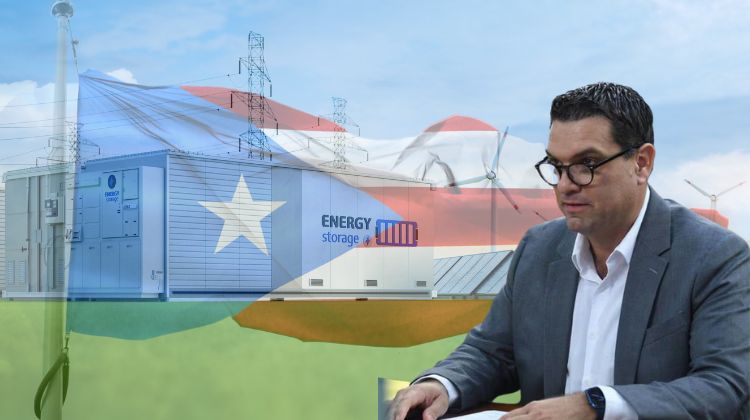
With more than 185,000 home batteries in place and 81,000 households sharing stored energy, the CBES+ platform strengthens Puerto Rico’s grid and helps avoid nighttime outages. The initiative may soon reach another 80,000 homes, forming one of the world’s largest virtual power plants.
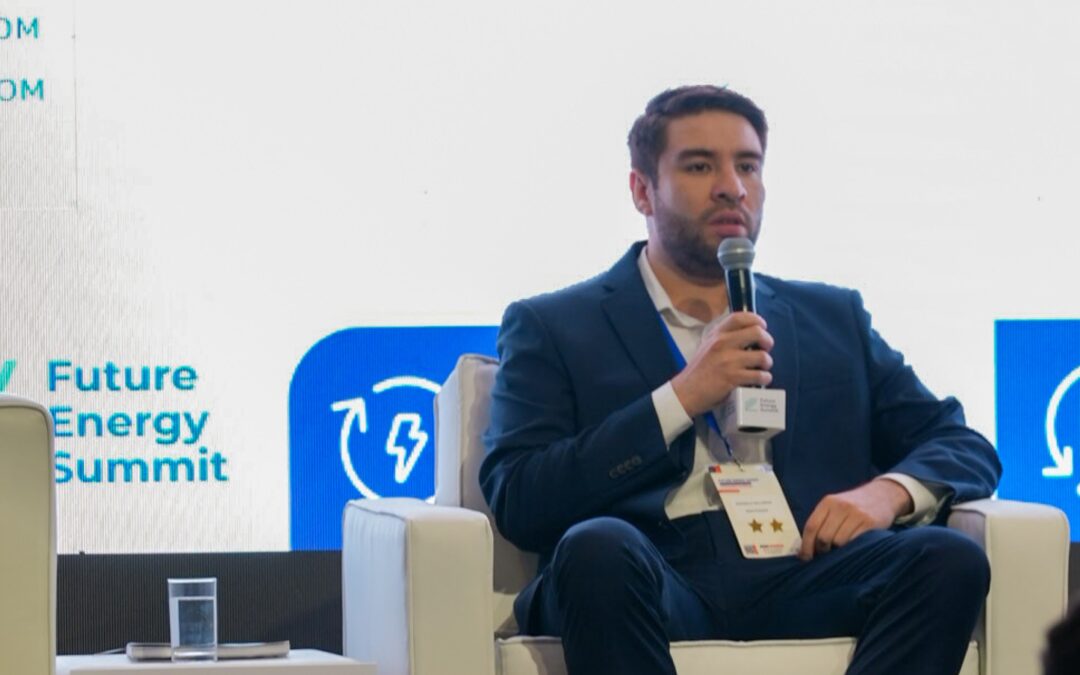
The company—formerly known as Nextracker—announced its rebranding and expanded technology offering during the Future Energy Summit Southern Cone 2025 in Santiago, Chile. NextPower has already supplied more than 24 GW across Latin America, including 3.5 GW in Chile alone.
EverCore integrates a single factory-assembled, ready-to-install solution combining a hybrid inverter, a battery system and an advanced energy management system (EMS). The rollout begins with two main configurations: 100/120 kWh paired with the SolisStorage 50/60 kW hybrid inverter, and 261 kWh paired with the SolisStorage 125 kW hybrid inverter. This marks SolisStorage’s expansion beyond inverter manufacturing toward full storage solutions.
APsystems is rolling out new innovations in its products and services. Here’s what events and training activities you should keep on your radar to start 2026 with a competitive edge.
The amendment of Supreme Decrees 10, 37, 88 and 125 must be completed before 27 December, as announced at the Future Energy Summit (FES) Southern Cone, where public and private representatives agreed that their publication is essential to reactivate halted investments, enable urgent works and ensure remuneration for batteries.
On November 30, more than six million Hondurans will choose their next president in an election marked by mutual accusations, external involvement from the U.S. government, and a 1,500-MW renewable tender currently on hold. The energy sector is calling for urgent decisions.
During the opening panel of FES Chile, Felipe Rivero, Product Manager at Huawei Digital Power, warned that the power system is becoming less robust as synchronous machines are replaced by inverter-based resources. The solution exists—grid forming—but no one is paying for it yet.
At the Future Energy Colombia Summit 2025, the company’s CEO warned that rising demand requires thinking in terms of “energy addition” rather than just transition. He said only players with strategic grid connection points will come out ahead, urging execution and regulatory stability to avoid an investment slowdown.
Over two days of keynotes, technology sessions, factory visits and immersive brand experiences, Tongwei and its partners explored how to align long-term climate goals with concrete, bankable PV solutions in markets around the world.
The top executives of ENGIE, Enel, EDF, Acciona and Colbún warned at the Future Energy Summit that capital could shift toward markets such as Brazil, Uruguay or the United States, which offer greater stability, faster permitting and more predictable frameworks for renewable energy and energy-storage development.
Astrid Perdomo, Executive Director of AGER, cautioned that without an urgent process to expand the national transmission network, solar projects currently under development may be unable to connect to the system. The association stressed that the existing infrastructure is already operating at its limit.
More than half a million interconnection requests have been filed by users adopting decentralized power systems in Mexico. The latest figures confirm continuous growth that is reshaping the country’s energy model from the residential and commercial base.
The German engineering firm 8.2 Group e.V., with three decades of experience and a regional hub in Argentina, foresees a dynamic 2025 for solar PV, BESS storage and distributed generation. The company provides technical support from manufacturing to full operation, backed by European standards and an international network of specialists.
The event gathered key figures from Chile’s energy ecosystem and served as the stage for the official launch of Solar and Storage, an integrated solution that combines photovoltaic technology with energy-storage systems. Participants discussed emerging trends, regulatory challenges and Chile’s expanding role as a platform for energy innovation across the region.
Select the sector you
want to know more about
With USD 12 billion in renewable energy projects on hold, the removal of interim President José Jeri and the appointment of José Balcázar add fresh uncertainty over the regulation of Law 32249 and the launch of new clean energy tenders scheduled for 2026.
Lithium price volatility and a 3% tax rebate have driven an 8% increase in battery costs in early 2026, while Jinko ESS has already quoted more than 11 GW of energy storage projects across Iberia, signalling sustained momentum in the region’s BESS market.
Solar PV will rise from 1,580.96 MW in 2025 to 1,907.48 MW by 2027, reinforcing its role as the backbone of the power mix. However, 189,082 MWh of curtailed renewable energy is pushing the country to tender 600 MW (nominal) of battery energy storage systems (BESS) to secure grid integration and sustain renewable expansion.