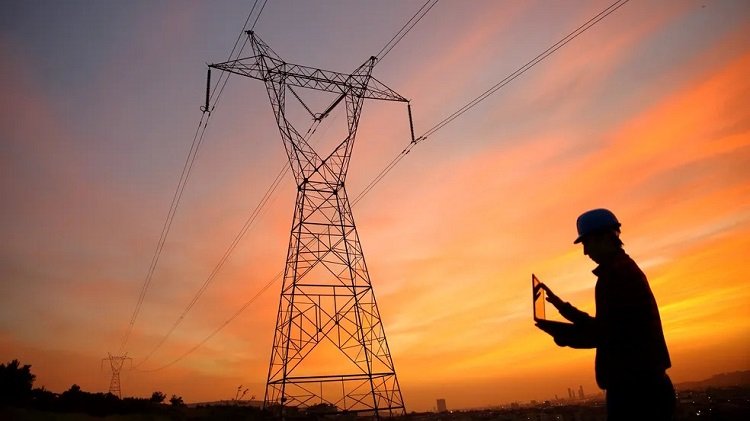

The non-reimbursable funds will support the strengthening of state-owned utility CELEC EP, accelerate the expansion of the National Transmission System, and structure a pipeline of strategic power projects ready for future financing.
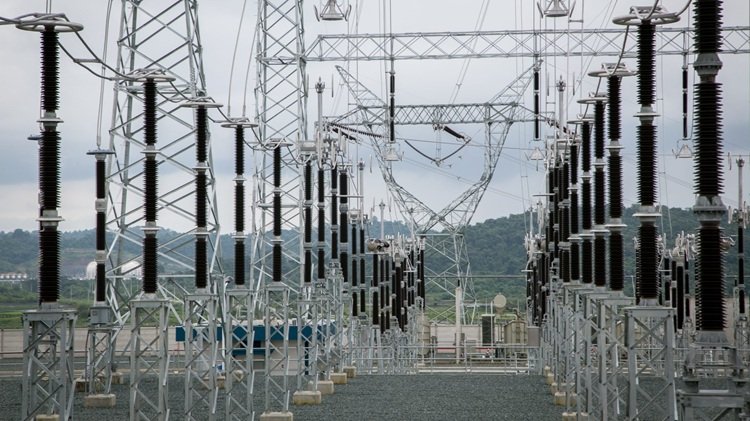


The non-reimbursable funds will support the strengthening of state-owned utility CELEC EP, accelerate the expansion of the National Transmission System, and structure a pipeline of strategic power projects ready for future financing.
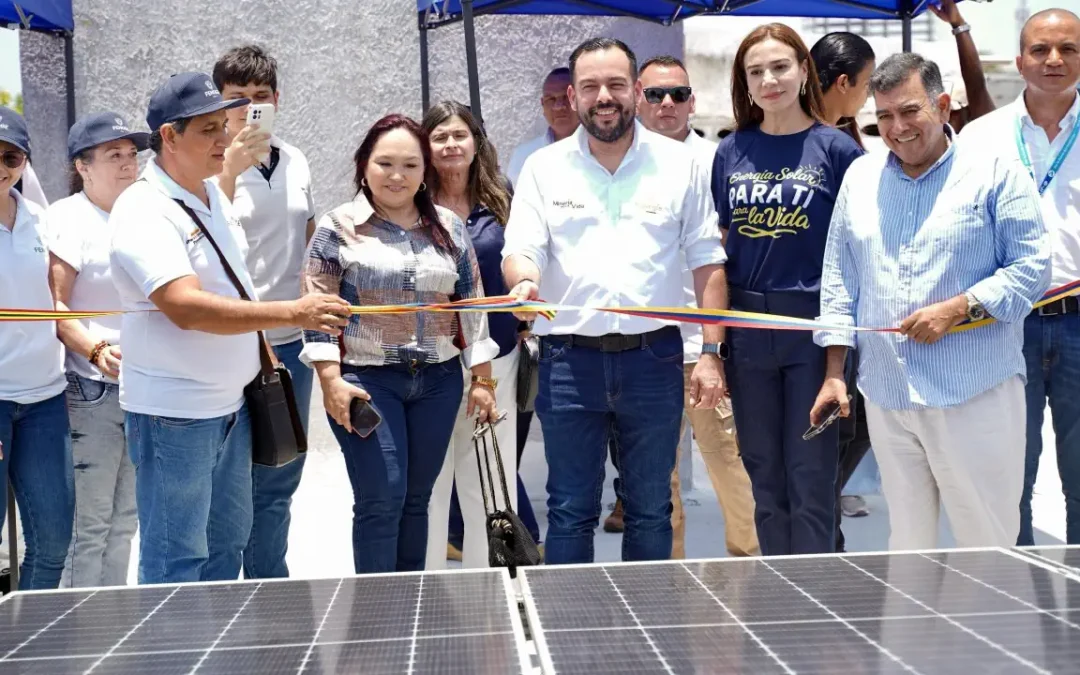
The programme will enable thousands of low-income households to generate their own electricity through sustainable solar solutions, under clear rules for operation, maintenance and territorial targeting.
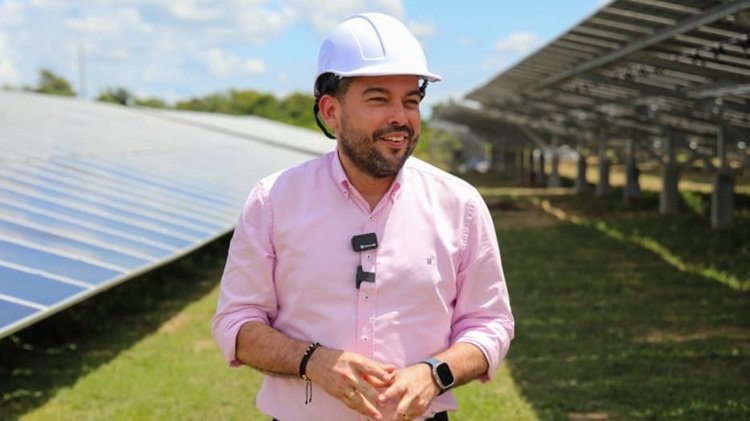
Engineer Eduardo Oviedo has taken over the Energy Ministry and the state utility ENEE amid an institutional reset. His technical profile aims to stabilise the power system and move forward with a flagship tender that has already attracted more than ten companies.
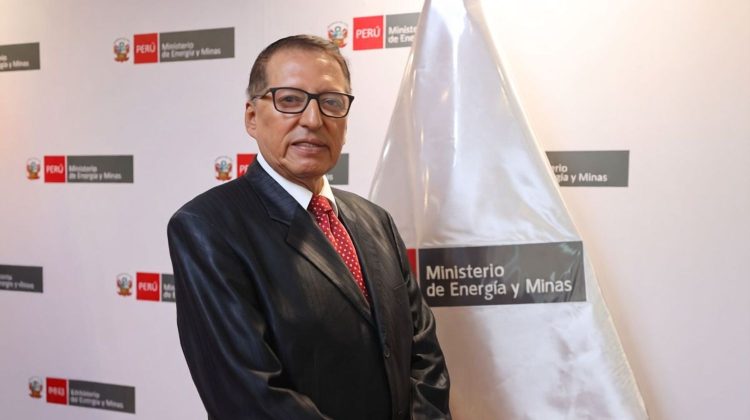
With more than 25 years of experience in the power sector, Pereira takes office at a critical juncture, with over 10 GW of renewable projects under development, USD 12 billion in investments awaiting regulation, and presidential elections scheduled for 2026.
The president met with Mexico’s leading banks to request tailored financing schemes for renewable generation and power transmission projects to be announced shortly. One day later, the state-owned utility CFE formalised a new regulatory framework allowing mixed contracts with private companies, sharing investment, risk and operations under profitability and sustainability rules.
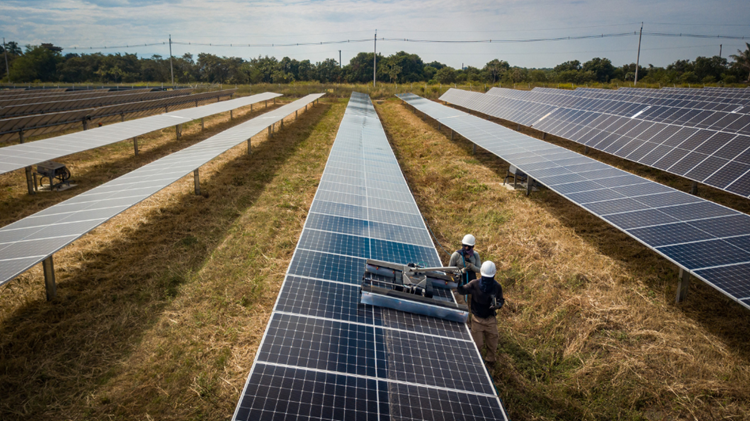
The 375 MW Puerta de Oro solar park strengthens Ventus’ renewable asset management portfolio in Latin America, surpassing 1 GW under operation and maintenance.
The National Energy Commission has opened the submission window for transmission expansion projects and distribution system expansion reports as part of the 2026 Annual Transmission Planning process.

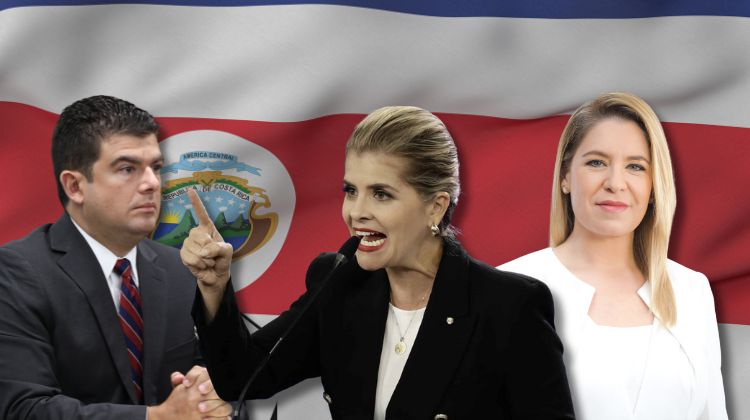
With 43.8% voting intention, the ruling party candidate could win outright on 1 February. An analysis of the energy platforms of the three leading contenders reveals sharply different paths for Costa Rica’s next phase of the energy transition—beyond the power sector.
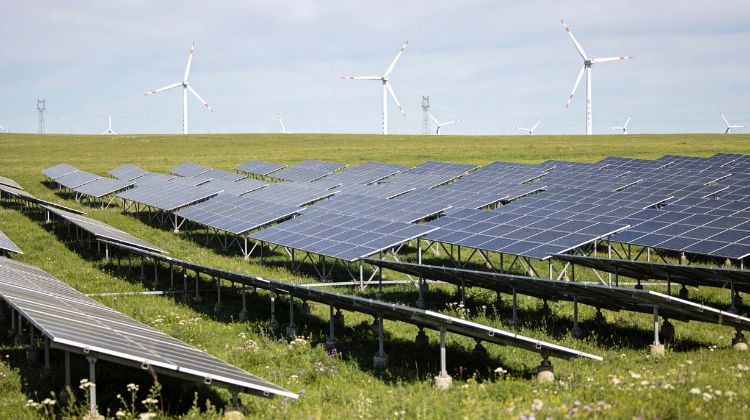
After adding more than 7.8 GW of solar capacity in 2025, Spain’s photovoltaic ecosystem faces regulatory bottlenecks and technical constraints that could slow its momentum. Industry players are calling for legal certainty to sustain growth and attract investment.
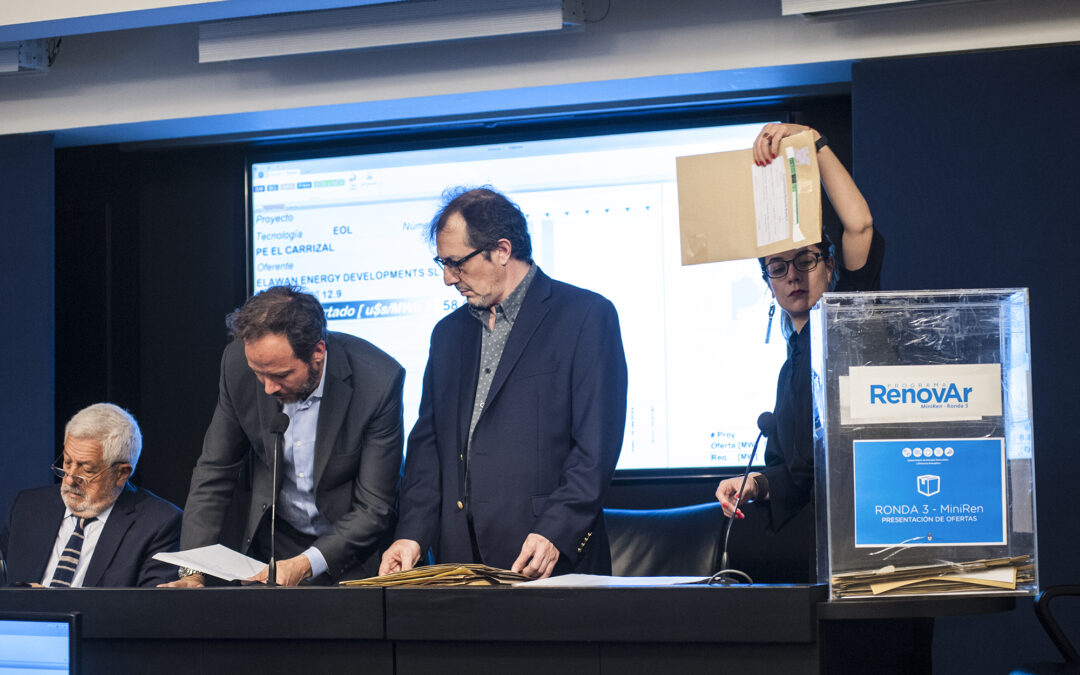
The country added more than 600 MW of clean capacity in 2025 with 13 new solar and wind plants connected to the National Interconnected Power System. It is now preparing to award a 600 MW tender attracting almost 3 GW in private proposals.
The government aims to unlock new investment through a tender introducing time blocks and energy storage requirements, responding to rapid renewable growth that still falls short of official targets.
A review of power and energy procurement costs for October–December 2025 resulted in minor adjustments, maintaining tariff stability for regulated consumers between 1 February and 30 April 2026.
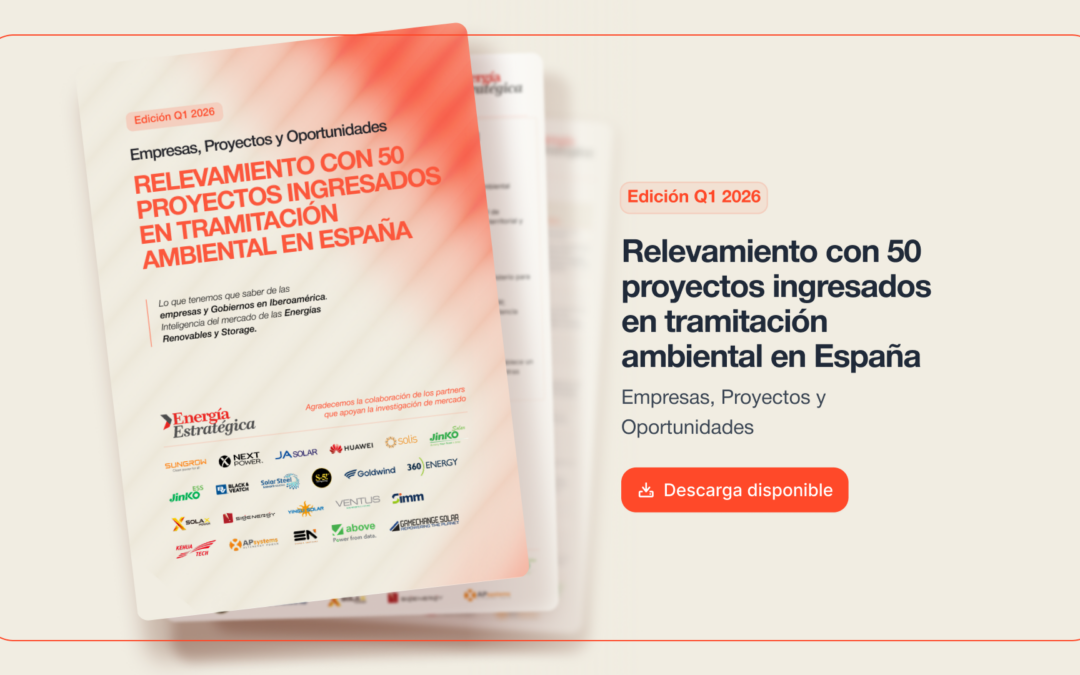
An Energía Estratégica report identifies more than 3 GW of solar, wind and battery storage projects in Spain, highlighting investment opportunities amid regulatory and grid constraints.
The rapid expansion of cloud computing and artificial intelligence is pushing Mexico to strengthen its power grids and secure clean electricity to supply critical digital infrastructure. As global tech giants and regional operators move in, the country’s energy priorities are being reshaped.
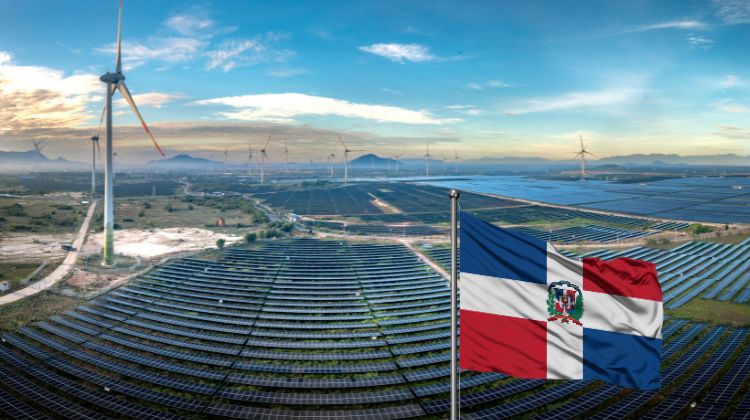
In 2025, nearly 189 GWh of renewable electricity were not injected into the Dominican power system, causing economic losses of more than USD 30 million. Technical analyses point to battery energy storage systems (BESS) as a key solution to manage solar oversupply and unlock further renewable integration.
The company outlines a flexible expansion strategy to strengthen its presence in strategic Latin American markets, supported by high-efficiency solar PV solutions, local technical support and a long-term vision. By 2026, TCL Solar aims to establish itself as a relevant player within the region’s solar ecosystem.
The approval of the POTEE 2025 plan will unlock around BRL 1 billion in investments in transmission infrastructure over the next four years, strengthening the reliability of Brazil’s national grid.
The Ministry of Mines and Energy has set out the regulatory framework for Colombia Solar, enabling low-income households to replace traditional electricity subsidies with rooftop solar generation as part of a just energy transition.
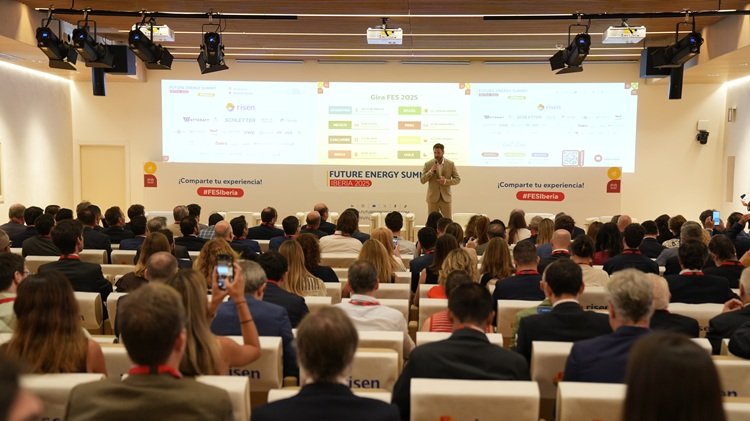
Future Energy Summit’s first major event of the year will bring leading companies, international experts and public authorities to Madrid to assess technological progress, regulatory frameworks and business opportunities in the Iberian renewable energy market.
Between regulated public schemes and private power purchase agreements, prices show a wide range. Recent awards stand at USD 60–70/MWh, but new rules and operational constraints will shape the pace of development and point to a market facing growing competition from other generation sources.
Panama adjusts long-term contracts to attract renewables, Costa Rica redefines its regulation in an election year, and the Dominican Republic sets the regional pace with competitive auctions and new battery rules. In all cases, capital demands one thing: certainty.

The non-reimbursable funds will support the strengthening of state-owned utility CELEC EP, accelerate the expansion of the National Transmission System, and structure a pipeline of strategic power projects ready for future financing.
The programme will enable thousands of low-income households to generate their own electricity through sustainable solar solutions, under clear rules for operation, maintenance and territorial targeting.
Engineer Eduardo Oviedo has taken over the Energy Ministry and the state utility ENEE amid an institutional reset. His technical profile aims to stabilise the power system and move forward with a flagship tender that has already attracted more than ten companies.
With more than 25 years of experience in the power sector, Pereira takes office at a critical juncture, with over 10 GW of renewable projects under development, USD 12 billion in investments awaiting regulation, and presidential elections scheduled for 2026.
The president met with Mexico’s leading banks to request tailored financing schemes for renewable generation and power transmission projects to be announced shortly. One day later, the state-owned utility CFE formalised a new regulatory framework allowing mixed contracts with private companies, sharing investment, risk and operations under profitability and sustainability rules.
The 375 MW Puerta de Oro solar park strengthens Ventus’ renewable asset management portfolio in Latin America, surpassing 1 GW under operation and maintenance.
The National Energy Commission has opened the submission window for transmission expansion projects and distribution system expansion reports as part of the 2026 Annual Transmission Planning process.
With 43.8% voting intention, the ruling party candidate could win outright on 1 February. An analysis of the energy platforms of the three leading contenders reveals sharply different paths for Costa Rica’s next phase of the energy transition—beyond the power sector.
After adding more than 7.8 GW of solar capacity in 2025, Spain’s photovoltaic ecosystem faces regulatory bottlenecks and technical constraints that could slow its momentum. Industry players are calling for legal certainty to sustain growth and attract investment.
The country added more than 600 MW of clean capacity in 2025 with 13 new solar and wind plants connected to the National Interconnected Power System. It is now preparing to award a 600 MW tender attracting almost 3 GW in private proposals.
The government aims to unlock new investment through a tender introducing time blocks and energy storage requirements, responding to rapid renewable growth that still falls short of official targets.
A review of power and energy procurement costs for October–December 2025 resulted in minor adjustments, maintaining tariff stability for regulated consumers between 1 February and 30 April 2026.
An Energía Estratégica report identifies more than 3 GW of solar, wind and battery storage projects in Spain, highlighting investment opportunities amid regulatory and grid constraints.
The rapid expansion of cloud computing and artificial intelligence is pushing Mexico to strengthen its power grids and secure clean electricity to supply critical digital infrastructure. As global tech giants and regional operators move in, the country’s energy priorities are being reshaped.
In 2025, nearly 189 GWh of renewable electricity were not injected into the Dominican power system, causing economic losses of more than USD 30 million. Technical analyses point to battery energy storage systems (BESS) as a key solution to manage solar oversupply and unlock further renewable integration.
The company outlines a flexible expansion strategy to strengthen its presence in strategic Latin American markets, supported by high-efficiency solar PV solutions, local technical support and a long-term vision. By 2026, TCL Solar aims to establish itself as a relevant player within the region’s solar ecosystem.
The approval of the POTEE 2025 plan will unlock around BRL 1 billion in investments in transmission infrastructure over the next four years, strengthening the reliability of Brazil’s national grid.
The Ministry of Mines and Energy has set out the regulatory framework for Colombia Solar, enabling low-income households to replace traditional electricity subsidies with rooftop solar generation as part of a just energy transition.
Future Energy Summit’s first major event of the year will bring leading companies, international experts and public authorities to Madrid to assess technological progress, regulatory frameworks and business opportunities in the Iberian renewable energy market.
Between regulated public schemes and private power purchase agreements, prices show a wide range. Recent awards stand at USD 60–70/MWh, but new rules and operational constraints will shape the pace of development and point to a market facing growing competition from other generation sources.
Panama adjusts long-term contracts to attract renewables, Costa Rica redefines its regulation in an election year, and the Dominican Republic sets the regional pace with competitive auctions and new battery rules. In all cases, capital demands one thing: certainty.
Select the sector you
want to know more about
Germany’s onshore wind auction doubled the tendered capacity (7,858 MW vs. 3,445 MW), pushing prices to their lowest level since 2018, while rooftop solar PV saw lower participation (177 MW vs. 283 MW tendered) but stable tariffs.
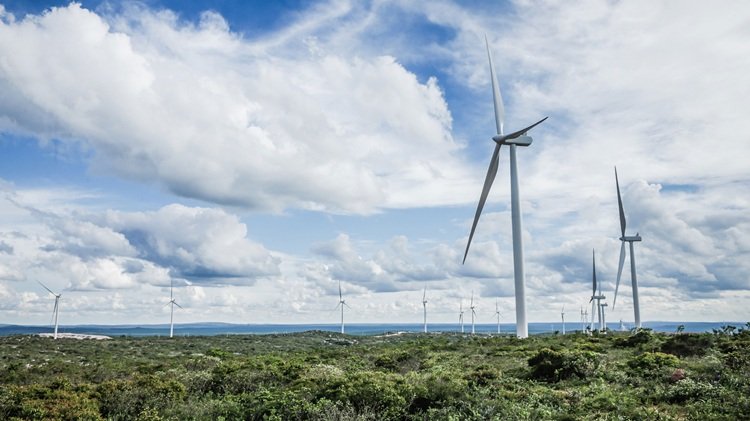
Under President José Antonio Kast’s administration, Chile approves major wind and hybrid solar-wind projects, boosting renewable energy capacity and grid integration across key regions.
The international lender highlights financial structuring, grid access and regulatory predictability as critical variables in Argentina, while stressing the need to combine local and international capital.