
by Milena Giorgi | Oct 25, 2024
The logistical and bureaucratic challenges in the country’s solar expansion are compounded by the need to modernize the electrical grid, as noted by the sector.

by Emilia Lardizabal | Oct 25, 2024
The German regulator BNetzA has greenlit the central hydrogen network, which will span 9,040 km. The estimated investment is 18.9 billion euros, with a transport potential of 278 TWh of hydrogen, driving the energy transition in Europe and strengthening connections with other countries.

by Lucia Colaluce | Oct 25, 2024
The expansion of solar energy in Poland has been remarkable, reaching nearly 20,000 MW in 2024, in contrast to the 21 MW in 2014. This is due to initiatives framed within the EPP2040, which aims to reduce dependence on coal and increase the share of renewable sources, aligning with the European Union’s climate goals.

by Energía Estratégica | Oct 25, 2024
Measures that, they highlight, are necessary to meet the objectives of the PNIEC. Comparing the closure of the third quarter of this year with that of last year, self-consumption has decreased by 15%, dropping by 22% in the industrial sector, 5% in the residential sector, and 1% in the commercial sector.
by Milena Giorgi | Oct 24, 2024
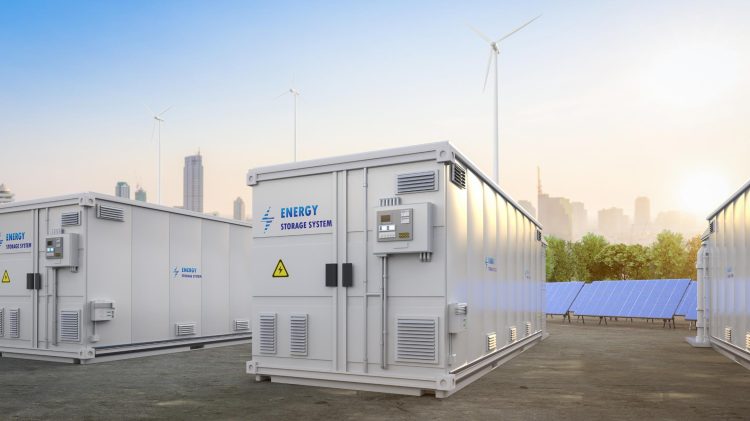
As described, this is possible thanks to the optimization of charge and discharge cycles, with the replacement of lithium cells after 10 years, improving returns without incurring new fixed costs. Additionally, they warn that hybridization with batteries is only profitable in a few cases.

by Milena Giorgi | Oct 24, 2024
Drawing from the challenges in Galicia, the association highlights the importance of early and continuous dialogue with local communities to ensure the success of renewable projects.






 October 25, 2024The obstacles to reaching 20.4 GW of solar in Portugal by 2030


