
by Strategic Energy | Mar 19, 2025
Meetings in Brussels with EU Commission representatives, focusing on environmental targets, biofuels, and renewable growth.

by Emilia Lardizabal | Mar 19, 2025
Francesco Marghella, an analyst, warns that auctions under the FER X schemes do not differentiate agrivoltaics from photovoltaics, which could limit its initial deployment. Moreover, current financial models ignore its agronomic value, a key factor for profitability. With the goal of reaching 7 GW by 2030, can Italy overcome these obstacles and unlock the potential of this technology?

by Lucia Colaluce | Mar 19, 2025
A report from the BDEW Bundesverband der Energie- und Wasserwirtschaft e.V. (German Association of Energy and Water Industries) highlights Germany’s rapid progress in developing its central hydrogen network. With an investment of €19 billion, the country plans to deploy a 9,000 km pipeline system to connect hydrogen production, storage, and consumption, solidifying its role as a strategic market in Europe.

by Milena Giorgi | Mar 19, 2025
Héctor Erdoician, CSO and CTO of Chemik, explains how the company optimizes its supply chain, develops proprietary technology, and expands in a highly competitive market.
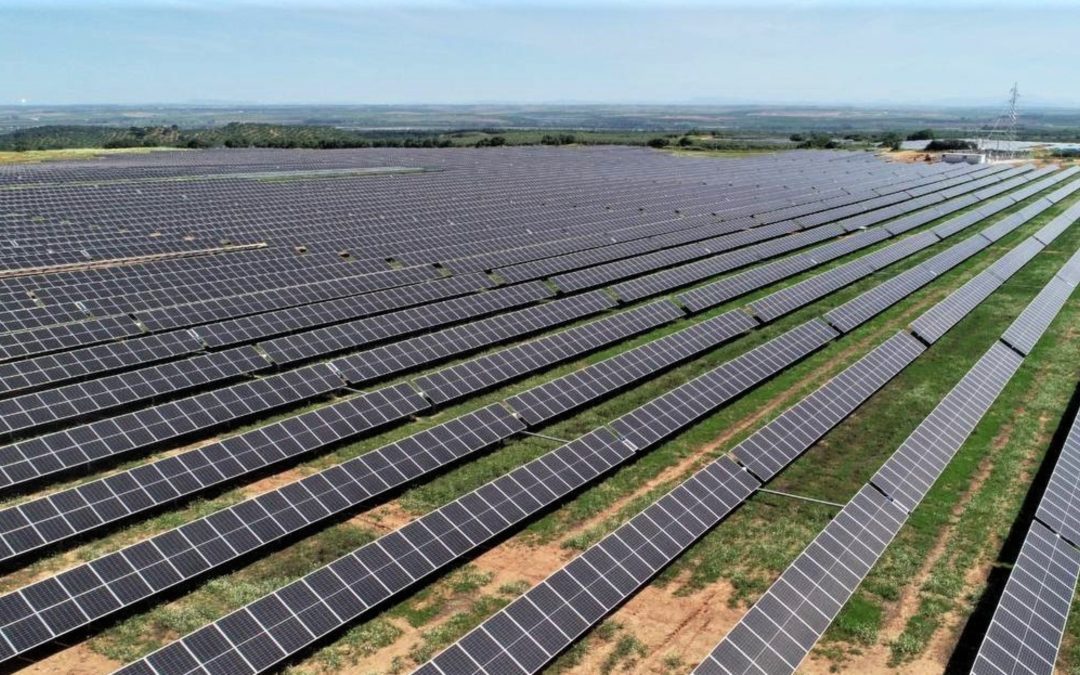
by Strategic Energy | Mar 19, 2025
The project will include the supply of over 1,400 1P solar trackers from Gonvarri Solar Steel, which will support 140,000 state-of-the-art solar modules.
by Strategic Energy | Mar 18, 2025
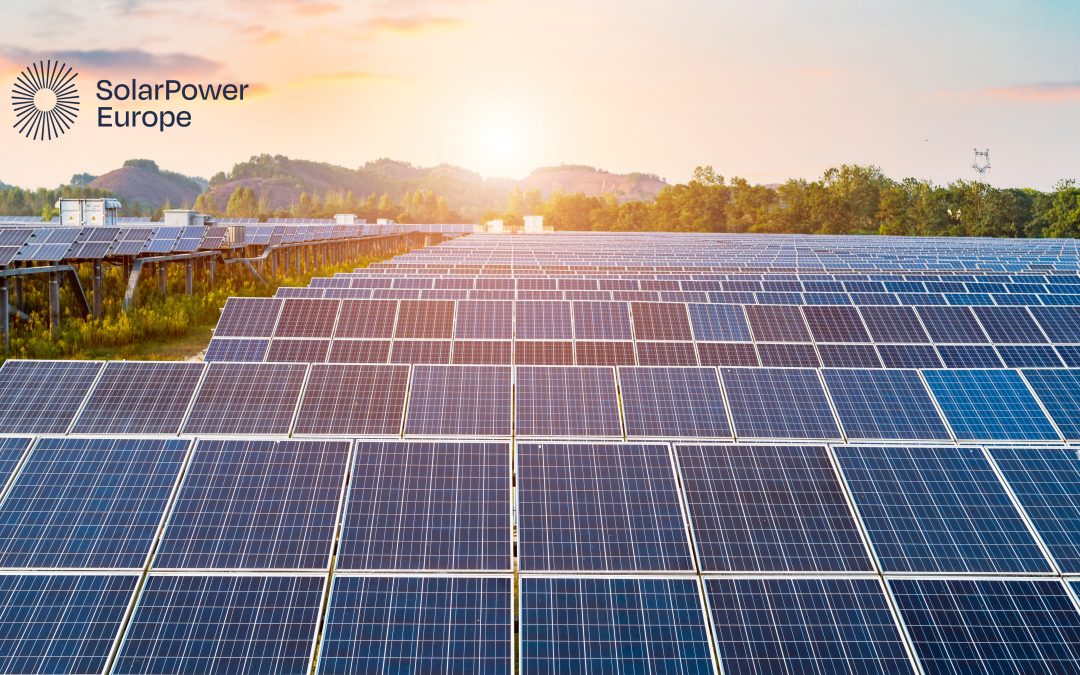
The average time to connect a photovoltaic project to the grid in the European Union remains at four years, with delays extending up to eight years in some cases. This situation slows the deployment of renewable energy and generates additional costs for developers, compromising the region’s decarbonization goals.






 March 19, 2025Minister Pichetto Fratin and Teresa Ribera discuss the future of renewable energy and bioenergy


