











A new large-scale power outage left close to one million users without electricity in the Buenos Aires Metropolitan Area (AMBA), after a technical failure at the Morón transformer substation, operated by Edenor, triggered the disconnection of four high-voltage transmission lines (220 kV).
The impact was immediate. Around 3,000 MW of load were lost, equivalent to nearly 15% of Argentina’s total electricity demand. At the same time, Automatic Generation Disconnection (DAG) systems were activated, forcing several power plants offline and affecting the distribution network operated by Edesur.
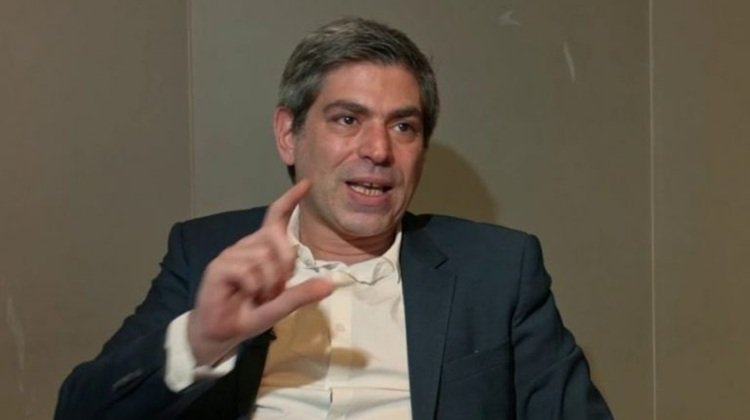
For Paulo Farina, former Undersecretary of Electric Power, the episode once again highlights the consequences of inadequate long-term planning and the lack of concrete action to improve grid stability.
“Both Edenor and Edesur should be making significant investments. They lack transformer substations. The original logic was that these works would go hand in hand with 500 kV transmission projects led by the federal government—but the reality is that neither 500 kV nor 220 kV lines are being built,” Farina said.
“The Buenos Aires ring system is fragile, and any heatwave pushes it to its limits. Transmission expansion plans have existed for years, but they were always postponed. Even if the problem were tackled today, these are investments that take at least three years to complete,” he added.
While the technical failure in Morón may have been a specific event, the underlying problem lies in years of delayed investment to expand transmission capacity.
Short-term fixes versus structural solutions
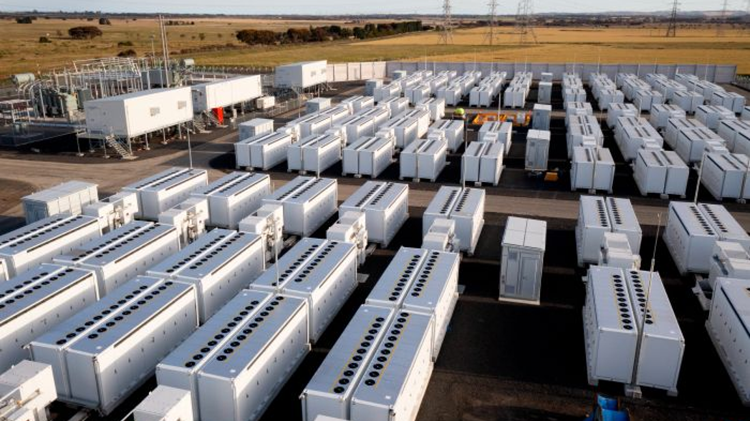
As a result of these delays, system operators have increasingly relied on short-term measures. One such response has been the deployment of energy storage systems, including 713 MW of battery capacity awarded under the AlmaGBA tender, designed to cushion demand peaks.
“Speed was prioritised,” Farina explained. The idea is to charge batteries during low-demand periods and discharge them at the medium-voltage level during peaks, avoiding saturation of the high-voltage grid. However, he stressed that this remains a temporary solution.
“The Milei administration decided not to fully fund investments through tariffs, instead requiring companies to invest and recover costs over more than five years. The aim was that, once subsidies are phased out, end users paying the full price would not face tariffs as high as those seen in other regional markets,” he said.
Farina also stressed that, unlike recent blackouts in countries such as Spain and Chile, Argentina’s problem is not technological failure but chronic underinvestment in electricity infrastructure.
What can be done amid constant risk?
One long-term solution would be the swift launch of tenders for new electricity transmission projects, either through private-sector concessions or via Public-Private Partnership (PPP) schemes.
“It is surprising that the government has still not managed to launch PPP projects to expand the grid. The impact on final tariffs would be limited—at worst an additional USD 5 to 10—and there would likely be strong private-sector interest,” Farina said.
And what about distributed generation?
Farina believes the current administration is unlikely to replicate models such as Brazil’s, which rely on strong tariff incentives, even though distributed generation has helped decentralise power systems.
Instead, he suggests demand-side measures, such as installing smart meters in high-income areas that account for a disproportionate share of electricity consumption.
“It takes time and policy coordination, but it should be done. Argentina needs a clear strategy to promote rational energy consumption,” he concluded.