










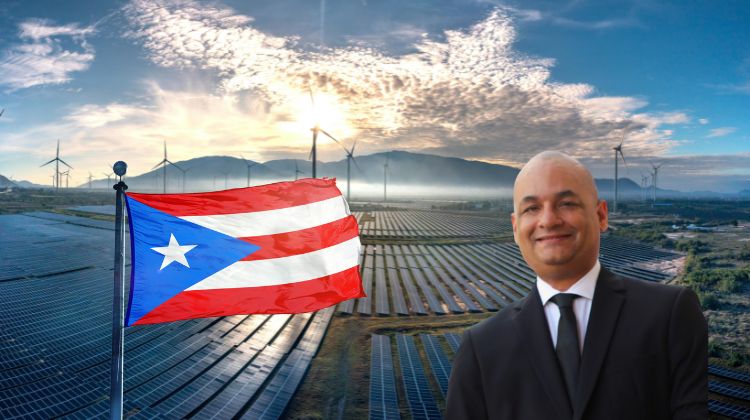
Puerto Rico is approaching a historic turning point in its energy transition. After years of regulatory and execution delays, the island could finally surpass the 20% renewable energy threshold in its power mix — a target that was originally meant to be achieved years ago.
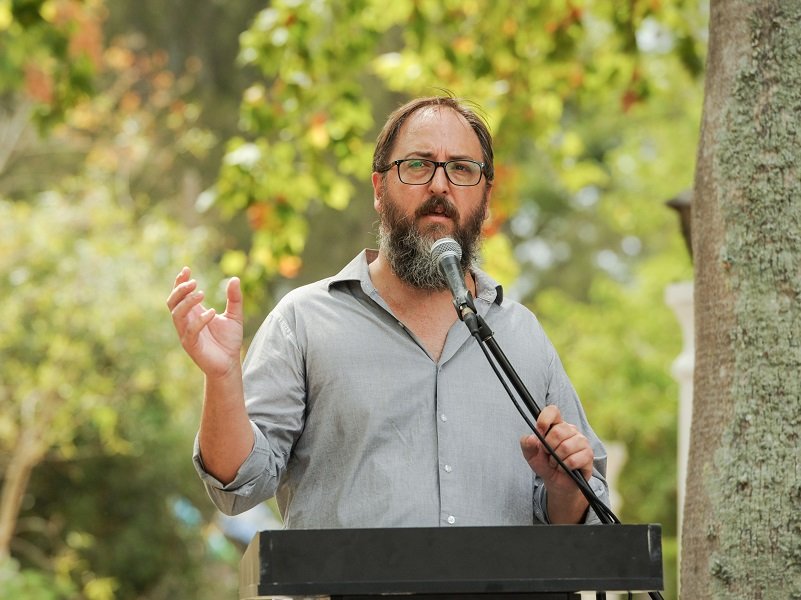
According to Ramón-Luis Nieves, an energy lawyer and former senator from San Juan, several utility-scale renewable energy and energy storage projects are expected to begin operations in 2026. Many of these developments are already under construction and could significantly reshape Puerto Rico’s national energy landscape.
“After a decade of delays, large-scale renewable projects will finally start delivering both electricity and storage to the grid in 2026,” Nieves said, pointing to a shift that could unlock long-postponed progress in grid decarbonisation.
While utility-scale projects have lagged, distributed generation has expanded at an unprecedented pace.
According to the latest report by LUMA Energy submitted to the Negociado de Energía de Puerto Rico, by the end of September 2025, the island had more than 180,000 net-metered customers, with installed capacity exceeding 1,335 MW. With around 4,150 new connections per month, the total number of customers is expected to surpass 200,000 in the first quarter of 2026.
More than 10% of electricity users already have on-site solar generation, most of it paired with battery energy storage systems. This level of adoption places Puerto Rico among global leaders in residential and commercial distributed generation, both in terms of customer penetration and growth rate.
Community-based renewables gain momentum
Beyond private-sector developments, community-based renewable energy projects are also gaining prominence. Many of these initiatives emerged in the aftermath of Hurricane Maria in 2017, driven by cooperatives and social organisations seeking energy resilience.
Today, these projects show growing technical capacity, access to financing and long-term strategic vision, consolidating their role within Puerto Rico’s renewable energy ecosystem.
“Community-based projects are entering an interesting phase of maturity and experience, moving beyond an emergency-driven model,” Nieves explained. “They are increasingly integrating into sustainable generation frameworks rather than operating under an assistance-based logic.”
In parallel, the so-called Hostos Project — a proposed 700 MW submarine interconnection between Puerto Rico and the Dominican Republic — could move forward in 2026 if key regulatory hurdles are resolved. The project would mark a new phase of regional energy integration and reduce the island’s historical electrical isolation.
Despite these advances, Puerto Rico’s regulatory framework continues to face criticism. Law No. 1-2025, which sets a 100% renewable energy target by 2050, lacks concrete mechanisms to enforce intermediate milestones. Nieves noted that the energy regulator was not given a clear mandate to steer the transition, adding that statutory targets established as far back as 2010 have yet to be met.
In this context, the upcoming Integrated Resource Plan (IRP) discussion — set to begin this year — will be critical. Although the law does not impose explicit obligations, the regulator could still establish binding technical targets, potentially restoring a credible roadmap for compliance.
Another source of tension is federal policy. The phase-out of the Investment Tax Credit (ITC), initiated under the Trump administration, has imposed tight deadlines on developers to secure permits and grid connections before losing fiscal incentives. In response, Governor Jenniffer González Colón and energy czar Josué Colón have issued executive orders and administrative measures aimed at accelerating regulatory processes.
Meanwhile, lawmakers are debating a proposal to eliminate tax exemptions for the purchase of solar panels and batteries. If approved, the measure would significantly increase the cost of the energy transition and limit access to self-generation for households and businesses.
Alongside renewable deployment, the regulator approved amendments in late 2025 to the contract for Energiza, the first thermal power plant proposed in more than two decades. If built, the facility would add 528 MW of baseload capacity and 450 MW of backup generation, signalling a partial revival of fossil fuel infrastructure within the power system.
A dual position in Latin America
Puerto Rico occupies an ambivalent position in the Latin American energy landscape. It is a clear leader in distributed solar and battery adoption, yet continues to struggle with the execution of large-scale renewable projects.
With new solar PV plants and energy storage systems expected to come online in 2026 — combined with the steady advance of community-based initiatives — the island could begin to rebalance its energy mix and accelerate its transition towards a more resilient and low-carbon system.
“Puerto Rico is clearly ahead in distributed generation. I don’t believe there is a comparable jurisdiction in terms of growth in this segment,” Nieves concluded. Despite ongoing challenges, he argued that a more competitive renewable energy environment is taking shape and that, with adequate planning, Puerto Rico can still meet its targets and consolidate a clean and resilient energy model.