










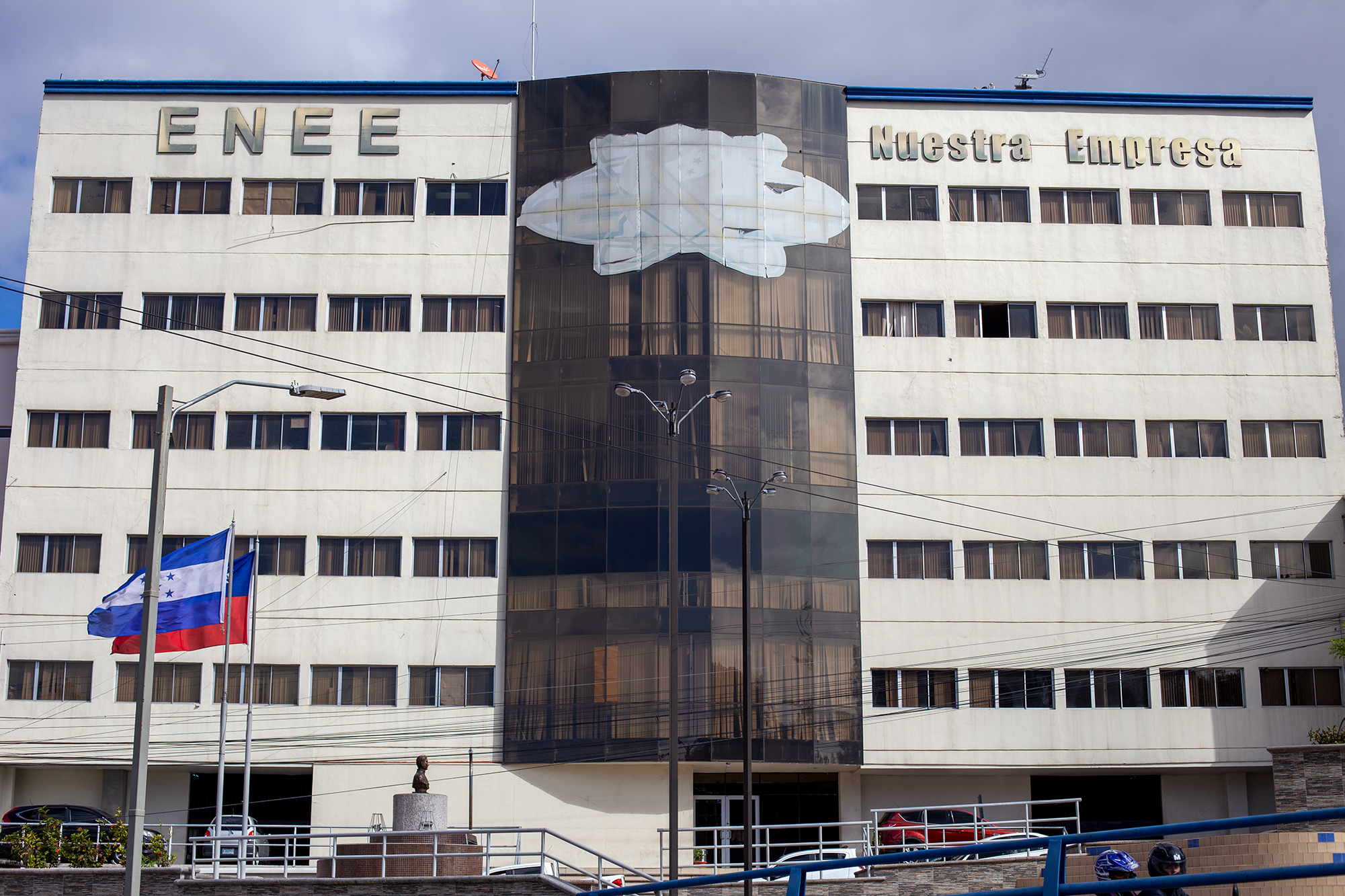
The sustained growth of debt owed by the National Electric Energy Company (ENEE), Honduras’ state-owned utility, to private generators has become one of the main obstacles to renewable energy development in the country. The liability has exceeded 17.385 billion lempiras (around USD 655 million), with prolonged delays directly impacting the electricity system’s payment chain.
Eduardo Bennaton, president of the Honduran Renewable Energy Association (AHER), warned in an interview with Energía Estratégica that “it is not just a financial problem, it is a country trust issue”, pointing to the central factor currently limiting sector growth.
The direct consequence is a rise in the cost of capital or the migration of investment to more stable markets. In capital-intensive projects, revenue certainty is key to structuring financing.
“When that certainty weakens, the cost of capital rises or investment simply moves to other markets,” Bennaton explained.
Several companies are even demanding payment of overdue invoices, with delays ranging from four to seven months for energy already delivered, consumed, and paid for by users of the state utility. Under current rules, ENEE has a 45-calendar-day period to settle each month of electricity supply.
However, these funds have not been fully allocated to settle outstanding commitments with private generators.
The impact goes beyond current projects and affects Honduras’ regional positioning. While the country has competitive renewable resources, it faces a bottleneck linked to the credibility of its electricity system, limiting its ability to attract new developments compared to countries with more predictable frameworks.
Honduras redefines its electricity tender and considers adjusting the planned 1,500 MW
In this context, the deterioration of the payment chain introduces uncertainty into projected cash flows, affecting bankability and increasing lenders’ requirements.
This translates into higher prices or lower participation in future tenders, weakening the country’s competitiveness.
At the same time, the situation is aggravated by the generation structure. A significant portion of the system still depends on thermal sources, maintaining exposure to international fuel price volatility and reinforcing the need to move towards more stable renewable contracts.
For the sector, financial normalisation is a necessary condition for any reform. Restoring payment discipline and strengthening effective guarantees appear as the starting point to rebuild market confidence, even before broader regulatory changes are implemented.
Under this scenario, Bennaton was clear about expectations: “if this issue is corrected, investment will return; if not, we will continue to lose regional competitiveness”, highlighting the direct link between financial stability and sector development.
The market maintains a cautious outlook while awaiting concrete signals. Although there are initial signs of reorganisation, ENEE’s structural fragility remains the main source of uncertainty.
In the short and medium term, the window of opportunity remains open, but is conditional on the effective implementation of measures. The recovery of the sector will depend on the ability to translate announcements into verifiable actions, particularly in payments, regulation, and market structure.
In this regard, the AHER president concluded: “If these signals turn into concrete actions, 2026 could still be a relaunch year for renewable energy in Honduras.”