





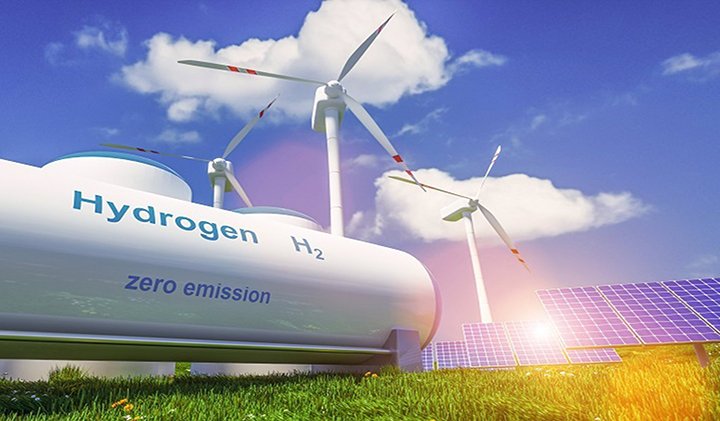
The European Commission has approved a €440 million Spanish state aid scheme aimed at accelerating the production of renewable hydrogen, a key technology for decarbonising industry and advancing Europe’s clean energy transition.
The support will be channelled through the European Hydrogen Bank’s “Auctions-as-a-Service” mechanism, linked to the hydrogen auction that closed in February 2026. The initiative is aligned with the EU’s Clean Industrial Deal, which seeks to speed up industrial decarbonisation while strengthening the competitiveness of European industry.
Spain estimates the scheme will support the deployment of up to 382 MW of electrolysis capacity, a technology that uses electricity—typically from renewable sources such as solar PV or wind power—to split water into hydrogen and oxygen.
The programme is also expected to stimulate the production of up to 243,800 tonnes of renewable hydrogen, avoiding as much as 1.79 million tonnes of CO₂ emissions over the lifetime of the projects.
| Indicator | Estimated impact |
|---|---|
| Electrolysis capacity supported | Up to 382 MW |
| Renewable hydrogen production | Up to 243,800 tonnes |
| CO₂ emissions avoided | Up to 1.79 million tonnes |
The measure will also help Spain move towards its national target of installing 12 GW of electrolyser capacity by 2030, while contributing to the European Union’s objectives for the consumption of renewable fuels of non-biological origin (RFNBOs) in both the transport and industrial sectors, as established in the Renewable Energy Directive.
Financial mechanism and support model
Under the scheme, financial support will take the form of a direct subsidy per kilogram of renewable hydrogen produced. Spain will have 12 months to grant the aid, and once awarded, project developers will be eligible to receive payments for up to ten years.
The European Commission assessed the programme under EU state aid rules, particularly Article 107(3)(c) of the Treaty on the Functioning of the European Union, as well as the 2022 Climate, Environmental Protection and Energy Aid Guidelines (CEEAG).
According to the Commission, the scheme is necessary and appropriate to facilitate the deployment of renewable hydrogen production capacity. The evaluation also concluded that the measure provides an incentive effect while having a limited impact on competition and trade within the EU.
Finally, the Commission determined that the environmental benefits outweigh any potential distortions of competition, leading to the formal approval of the Spanish support scheme under EU state aid rules.