







The agreement establishes a framework for HIF Global to supply approximately 100,000 tonnes per year of e-methanol to German eFuel One GmbH, supporting the transition towards sustainable mobility.
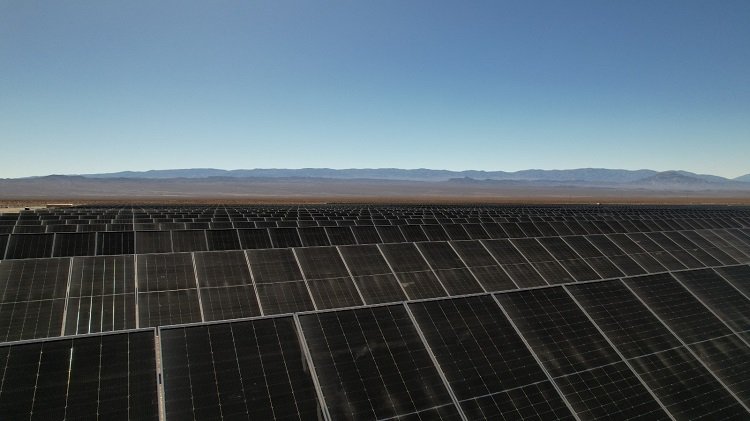
The project includes the “Lucía” Solar Photovoltaic Park (PSF Lucía), located north of El Eucalipto, with a peak generation capacity of 1,162 MWp, and the “Elena” Wind Farm (PE Elena), to be developed in the Cuchilla de Fuego area, south-east of El Eucalipto, with an installed capacity of 1,137.6 MW.
HIF Global, one of the world’s leading producers of synthetic fuels (e-fuels), and German eFuel One GmbH, a German clean energy company specialising in e-fuels production for motorsport and high-performance applications, have signed a Heads of Agreement (HoA) for the long-term purchase of e-methanol.
The e-methanol supplied under this HoA is expected to originate from HIF’s Paysandú project in Uruguay, highlighting the strategic value of early access to initial production volumes as global e-methanol markets begin to expand.
The agreement defines the principal commercial terms that will guide negotiations towards a definitive purchase agreement.
The e-methanol supplied under this framework will comply with the specifications of the International Methanol Producers and Consumers Association (IMPCA) and will be certified under the European Union’s RED III Renewable Fuels of Non-Biological Origin (RFNBO) standards.
The project includes the “Lucía” Solar Photovoltaic Park (PSF Lucía), located north of El Eucalipto, with a peak capacity of 1,162 MWp, and the “Elena” Wind Farm (PE Elena), to be developed in the Cuchilla de Fuego area, south-east of El Eucalipto, with an installed capacity of 1,137.6 MW.
“This agreement marks a significant step in expanding the reach of sustainable fuels. By working with German eFuel One, we advance the decarbonisation of global transport and industry, leveraging our proven experience operating and exporting e-fuels for more than three years from HIF Haru Oni in southern Chile, as well as our global project portfolio, to deliver reliable and certified e-methanol to the market,” said Diego Fettweis, Chief Commercial Officer of HIF Global.
This announcement adds to HIF Global’s ongoing efforts to expand its presence in the European market, following its 2025 e-fuels purchase agreement with Mabanaft, another major German energy company.
“With this long-term supply, we are laying the foundation for reliable industrial-scale e-fuels production – an essential component in achieving urgent climate neutrality in transport, which must remain open to all technologies.
For the Port of Hamburg, as a potential logistics hub and energy import gateway for Europe, the reliable import of green molecules is of vital importance. It strengthens regional industries and supports the German Federal Government in ensuring the energy security required to accelerate the country’s fossil fuel phase-down. Together, we demonstrate that sustainable mobility is not a vision of the future, but begins today,” added Christian Hanke, Managing Director of German eFuel One.
e-Methanol is a synthetic fuel produced by combining green hydrogen – generated using renewable electricity through electrolysis – with recycled carbon dioxide (CO₂).
The result is a synthetic fuel that can be used in existing engines and infrastructure without requiring significant modifications.
Its versatility makes it suitable for multiple sectors: it can be used directly in maritime transport and industrial applications, or converted into other sustainable fuels such as e-gasoline for road transport or e-SAF (sustainable aviation fuel) for aviation.
Its flexibility enables companies across different industries to advance their decarbonisation targets using a proven and adaptable technology.
The future purchase agreement between HIF Global and German eFuel One will establish a long-term framework for the annual supply of certified e-methanol, subject to contract execution and the scaling-up of international e-fuels production capacity.
HIF’s projects are located in regions with strong renewable resource potential worldwide, while the e-fuels produced are expected to reach Hamburg, Germany, a key European energy hub.