










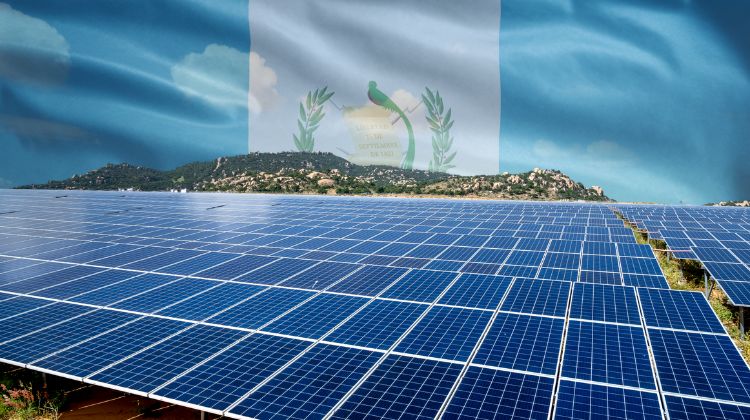
Guatemala doubled its solar power generation between 2023 and 2025, amid an unprecedented expansion in electricity demand. During this period, consumption increased by 15% and surpassed 14,575 GWh, placing pressure on a system that responded with more renewable energy and broader territorial coverage.
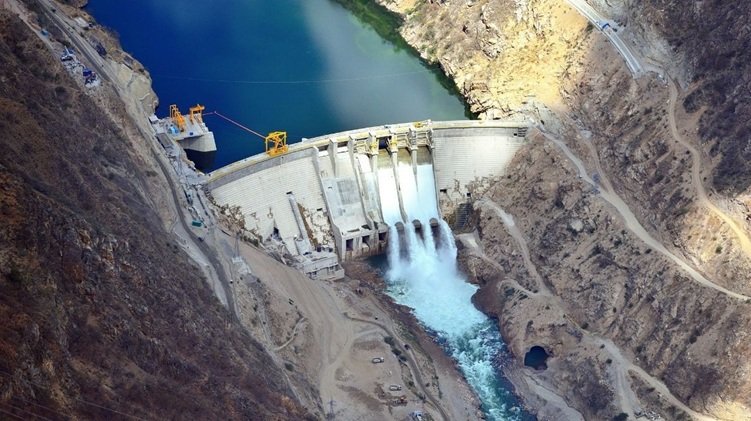
According to official data from the Ministry of Energy and Mines (MEM), solar PV was the fastest-growing generation source over the period, while hydropower recovered following a 2024 affected by hydrological constraints.
As a result, renewable energy’s share of the generation mix reached 62.3% in 2025, reversing the decline recorded the previous year.
The reconfiguration of the power mix led to reduced reliance on thermal technologies such as diesel and coal, which had temporarily gained ground. The MEM stressed that this progress was made possible by the entry of new renewable capacity and improved climatic and hydrological conditions.
In parallel, electricity coverage also improved. By 2025, 91.74% of households had access to electricity. The most significant gains were recorded in rural areas, where many solutions were based on off-grid solar photovoltaic systems, strengthening distributed generation in remote communities.
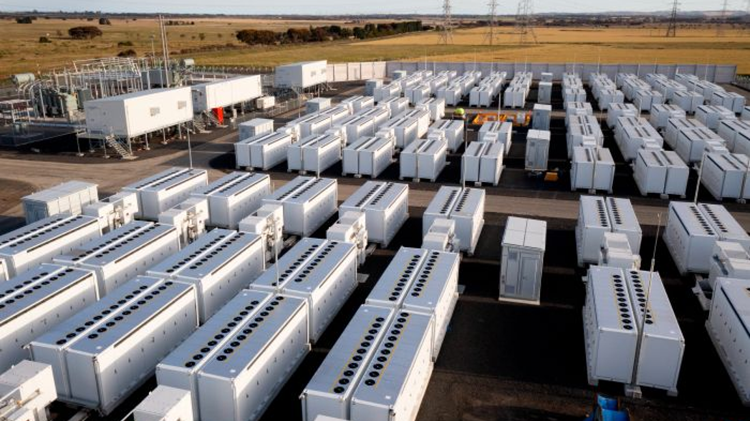
This transformation is no coincidence. Guatemala has defined an energy roadmap that foresees the addition of 1,000 MW of renewable capacity before 2040, supported by investments in transmission infrastructure, energy storage and grid digitalisation. By 2050, the country projects that 81.5% of generation will come from clean energy sources.
At present, more than 800 MW of renewable capacity has already been contracted, with a further 700 to 1,000 MW under development. According to industry projections, this pipeline could allow the country to double its current renewable capacity even without fiscal incentives. However, meeting this objective will require addressing key bottlenecks, particularly in transmission infrastructure and grid integration.
The Guatemalan Renewable Energy Association (AGER) recently warned that up to 800 MW of solar PV capacity could remain outside the system if the transmission network is not expanded. This comes at a time when the country holds an estimated untapped solar potential of more than 7,000 MW.
Meanwhile, electricity trade patterns have shifted. In 2025, Guatemala imported 1,823 GWh, 5% more than in 2023, and exported only 556 GWh, a 41% decrease. The MEM explained that this decision responded to the need to meet growing domestic demand and avoid supply risks.
The signal to the sector is clear: Guatemala has not only increased its electricity consumption and production, but has done so by advancing towards a cleaner, broader and more strategic power mix. Solar expansion and hydropower recovery set the pace. The challenge now is to sustain this momentum through infrastructure development and long-term planning.