





Argentina’s electricity system is undergoing a profound transformation. With the entry into force of Resolution SE No. 400, the country is launching a new framework in which electricity distribution companies must progressively move towards directly contracting up to 75% of their power demand.
This marks a clear shift from the existing model, under which the state-run wholesale market operator CAMMESA centrally purchased electricity and sold it to distributors under a regulated and heavily subsidised scheme.
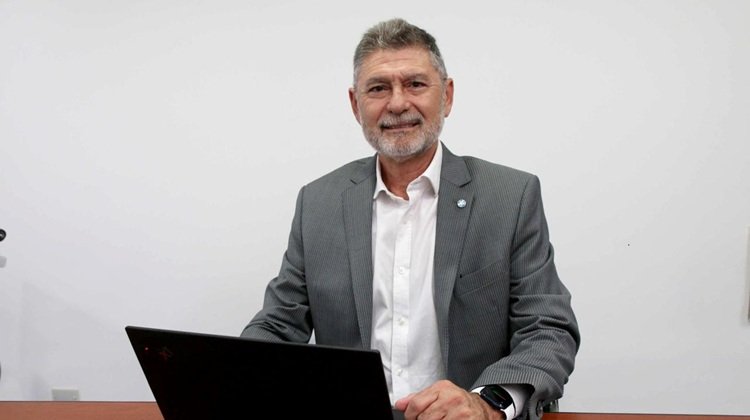
Claudio Bulacio, manager of the Argentine Association of Electricity Distribution Companies (ADEERA), analysed the conditions required under this new framework, which will redefine the relationship between power generators and distribution companies.
“We are moving towards contracting 75% of demand, although for a period demand will continue to be covered by allocated generation,” Bulacio told Energía Estratégica.
During this transition phase, power purchase agreements (PPAs) already signed by CAMMESA will remain in force. However, distributors are beginning to negotiate their own contracts directly with generators, setting the future direction of the electricity market.
Regulatory approval and cost recognition: key barriers
One of the most critical issues for making this contractual model viable is cost recognition, followed by the pass-through of energy prices to end users. This is particularly relevant given that distributors’ regulated income is based on the value added of distribution, combined with the costs of contracted energy. Regulatory authorities play a central role, as they must approve that these contracts can be included in the final tariff paid by consumers.
“No distributor will sign a contract with a generator unless it has the regulator’s approval to pass the price through to the final tariff. The more competition there is, the better prices we expect to see, which should result in lower tariffs. But ultimately, all distributors will need regulatory approval,” Bulacio stressed.
“The mechanism has not yet been defined, but distributors could receive an offer letter from a generator and submit it to the regulator to ensure the price is reasonable. Once approved, the contracts would be signed and enter into force,” he added.
Contract durations: from short-term to long-term PPAs
When asked about expected PPA tenors, Bulacio noted that while the current range of contracts under Argentina’s Renewable Energy Term Market (MATER) is broad—typically between three and ten years—the initial phase of the new model could involve shorter-term agreements.
“At first, some parties may opt for contracts of three, nine or twelve months to see how the system works and gain experience with contracting. But as the market matures, contracts will almost inevitably become long-term,” he explained.
“The longer the contract term, the better the offers and prices from generators. That said, there are no fixed timelines—and that is positive—because the parties will determine the most suitable terms to move forward,” Bulacio added.
Given that investments in the power sector are inherently long-term, he acknowledged that there may also be opportunistic dynamics in the early stages of the transition.
Smart grids and decentralisation: the infrastructure challenge
Alongside contractual reform, Argentina faces the urgent need to modernise its electricity networks. This means leaving behind the unidirectional, analogue grid paradigm of the last century and moving towards smart, secure, resilient and bidirectional grids.
Such infrastructure will be essential to operate a decentralised and interconnected system, in which distributors can act as both the physical and commercial platform enabling the energy transition, including distributed generation, renewable energy integration and energy storage.
To support this shift, ADEERA is working on concrete initiatives to enable the new framework. One of the most notable proposals is the implementation of regulatory sandboxes—controlled testing environments that allow companies and regulators to trial innovative tariff schemes or technologies outside the traditional regulatory framework.
“We proposed a Sandbox Alpha mechanism and have already held meetings with regulators to carry out voluntary trials with users,” said Bulacio, expressing confidence that these pilots will help validate solutions that can later be replicated nationwide.
In 2025, Empresa Distribuidora de Electricidad de Salta (EDESA) formally presented Argentina’s first institutionalised regulatory sandbox during a public hearing convened by the provincial regulator, Ente Regulador de los Servicios Públicos de Salta (ENRESP), positioning itself as a national pioneer in the use of this tool.
In this case, the sandbox extended beyond tariff issues to include system resilience, grid development and solutions tailored to local conditions, setting an important regulatory precedent for other jurisdictions.
CIDEL 2026: a regional forum for the future of electricity distribution
All of these transformations and challenges will converge at the Latin American Congress on Electricity Distribution, CIDEL Argentina 2026, to be held from 14 to 16 October in Buenos Aires. The event is organised by ADEERA and CACIER and aims to serve as a strategic platform for distributors, generators, universities, consultants and regulators to exchange views on the future of electricity distribution in the region.
“The idea is for specialists to submit technical papers, which will be reviewed by a committee, and the best ones will be presented in technical sessions,” Bulacio said, inviting all stakeholders to join the debate and contribute practical solutions to accelerate the energy transition.