











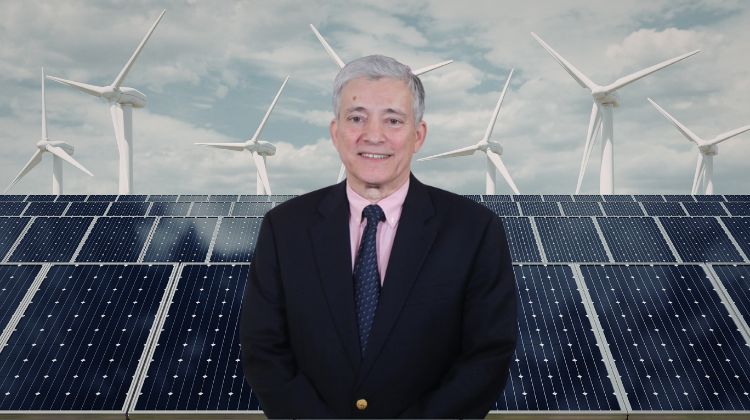
The appointment of Eduardo Oviedo as Honduras’ Minister of Energy, alongside his simultaneous role as interim general manager of the state-owned utility Empresa Nacional de Energía Eléctrica (ENEE), has drawn immediate attention from the country’s energy sector.
The decision temporarily concentrates policy-making and operational responsibilities in a single figure, reigniting debate over the importance of keeping strategic oversight and day-to-day execution separate within the electricity system.
Oviedo steps into the role after a brief period as ENEE’s general manager, following the departure of Erick Tejada. His dual appointment comes at a sensitive juncture, with a 1.5 GW power generation tender already launched, investments underway, and a series of institutional reforms defining the previous administration’s legacy.
Sources close to Energía Estratégica noted that Oviedo’s double mandate has generated strong expectations across the Honduran energy market.
“There is an expectation that this interim arrangement will be short-lived, as it runs counter to the spirit of the General Electricity Law, which was designed to keep these functions clearly separated,” the sources said.
Oviedo’s arrival follows more than two years of management under Erick Tejada, a period marked by significant changes promoted by the outgoing government. These included the restructuring of ENEE into three separate companies, the elimination of more than HNL 150 million (approximately USD 6 million) in non-essential operating expenses, and a reduction in technical losses from 38% to 23%, according to official data.
During this period, the government also advanced USD 130 million in investments through the state-owned telecommunications company Hondutel, and secured financing for energy projects from multilateral institutions such as the Inter-American Development Bank (IDB), KfW, and the World Bank.
In addition, the outgoing administration published the tender documents for 1.5 GW of new generation capacity. The process includes renewable energy technologies—such as solar PV, wind power and biomass—as well as energy storage solutions across different regions of the country. Bids are structured by region and technology, with staggered timelines for project delivery.
Upon taking office, Oviedo publicly stated that he would maintain continuity with the roadmap established by Tejada. His priorities include ensuring progress on the tender process and strengthening ENEE’s financial sustainability.
The new minister also pledged to address outstanding debt with power generators, reinforce the independence of the system operator ODS and the energy regulator CREE, and uphold principles aimed at depoliticising system operations.
Nevertheless, the overlap of roles presents an institutional challenge. Market players are closely watching how the transition will be managed and how long the interim arrangement will last. The separation of functions was one of the core pillars of the previous administration’s discourse, intended to professionalise sector decision-making, limit political interference in technical operations and provide greater predictability for investors.
Meanwhile, the government’s investment agenda remains active, with a financing package exceeding USD 700 million already in motion. This portfolio includes projects in transmission infrastructure, rural electrification, electric mobility and new generation capacity, reinforcing Honduras’ medium-term energy development strategy.