












With more than 55% of the vote, Laura Fernández has become the first woman to lead the Executive Branch of Costa Rica since 1949. Her election opens a new phase for the energy sector, combining policy continuity with a renewed agenda centred on efficiency, system modernisation and stronger strategic partnerships.
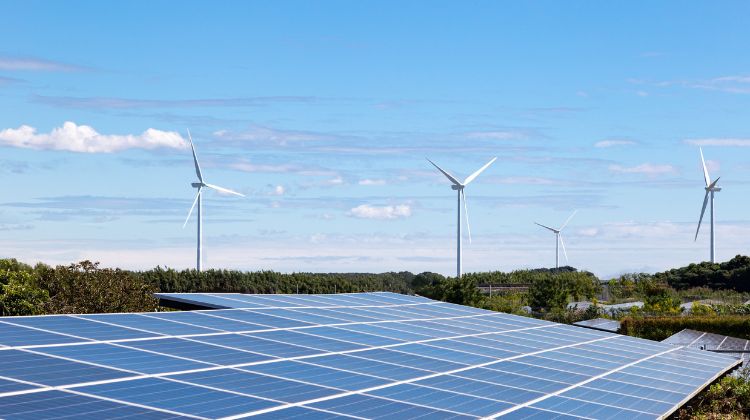
Costa Rica operates one of the cleanest power systems in the world, with over 99% of electricity generation coming from renewable energy sources. The main challenge is no longer green power production, but better system governance: improving competitiveness, efficiency and the ability to meet steadily rising demand.
In this context, William Villalobos, CEO of Core Alliance, noted that “Laura Fernández’s victory opens a scenario of continuity with relevant adjustments in public energy policy”. He added that the new administration must “steer a more competitive system capable of responding to growing demand, without undermining efficiency or legal certainty”.
Regulatory modernisation, partnerships and new technologies
After nearly a decade of stagnation, Costa Rica has regained momentum in recent years. The state-owned utility ICE relaunched competitive tenders under Law 7200, rural electrification cooperatives accessed new generation projects, and investments moved forward in transmission lines, substations and smart metering systems, supported by multilateral development banks. This gives the incoming president a solid starting point, although several urgent issues remain unresolved.
Fernández’s energy agenda is built around reforming governance structures. It seeks to strengthen the steering role of the Ministry of Environment and Energy (MINAE), improve institutional coordination and raise regulatory quality. Measures include the introduction of ex-ante and ex-post regulatory impact assessments, a standard practice in other sectors but historically absent from the power industry.
Tariff policy—overseen by the energy regulator ARESEP—could also be influenced by a more holistic executive vision. Without encroaching on regulatory independence, the new government aims to foster collaborative mechanisms that enhance system efficiency and improve price signals for consumers and investors.
Public–public and public–private partnerships are expected to gain prominence. Fernández has stressed that cooperation between state entities, municipal utilities and private companies will be essential to sustain competitiveness. The model does not replace the role of the State, but positions private developers as strategic partners.
Under this framework, rural cooperatives, CNFL and ICE would be able to work with independent power producers through power purchase agreements (PPAs), ensuring reliable, clean and affordable electricity for end users.
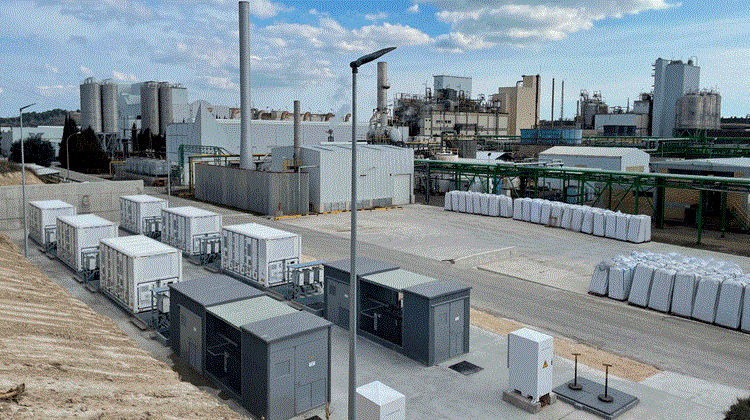
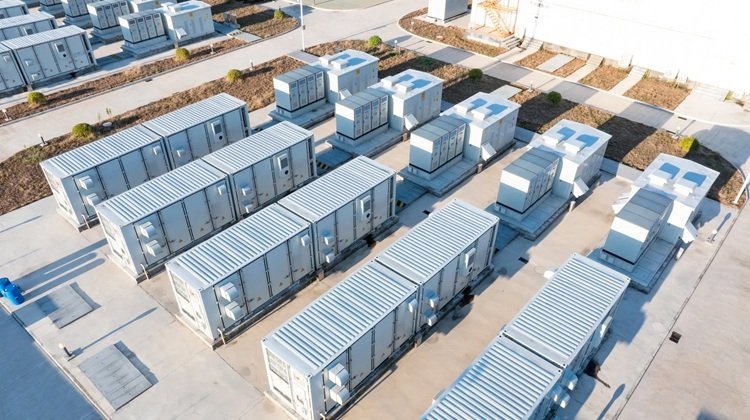
The new cycle also includes a push for complementary technologies that strengthen system resilience, such as energy storage, biogas, biomethane and waste-to-energy solutions. Beyond diversifying the energy mix, these technologies support a more circular approach to resource management.
Key reforms and investment outlook
On the legislative front, the Executive is expected to revive strategic bills that have stalled in parliament, including frameworks for low- and medium-enthalpy geothermal energy, regulations for recoverable waste and the participation of cooperatives in the Regional Electricity Market (MER). A technical review is also anticipated for the proposed electricity sector harmonisation bill, which has been criticised for its fragmented approach.
Villalobos warned that “the current draft contains an excess of partial solutions” and called for “a more focused, technically driven discussion to avoid market distortions and protect the financial stability of distribution companies”. In his view, any reform must be gradual, data-driven and designed to preserve legal certainty across the system.
Strengthened institutions, combined with an improving business climate, are expected to boost investment in new projects. Many power companies already have a pipeline of initiatives ready to support demand growth, particularly from electricity-intensive industries.
“The pursuit of greater efficiency, together with better system management, allows us to anticipate a positive outlook for Costa Rica’s energy sector,” Villalobos concluded.
With clear rules, technical planning and openness to dialogue, the new administration aims to position Costa Rica not only as a leader in clean power generation but also as a regional benchmark for operational efficiency and energy innovation.