











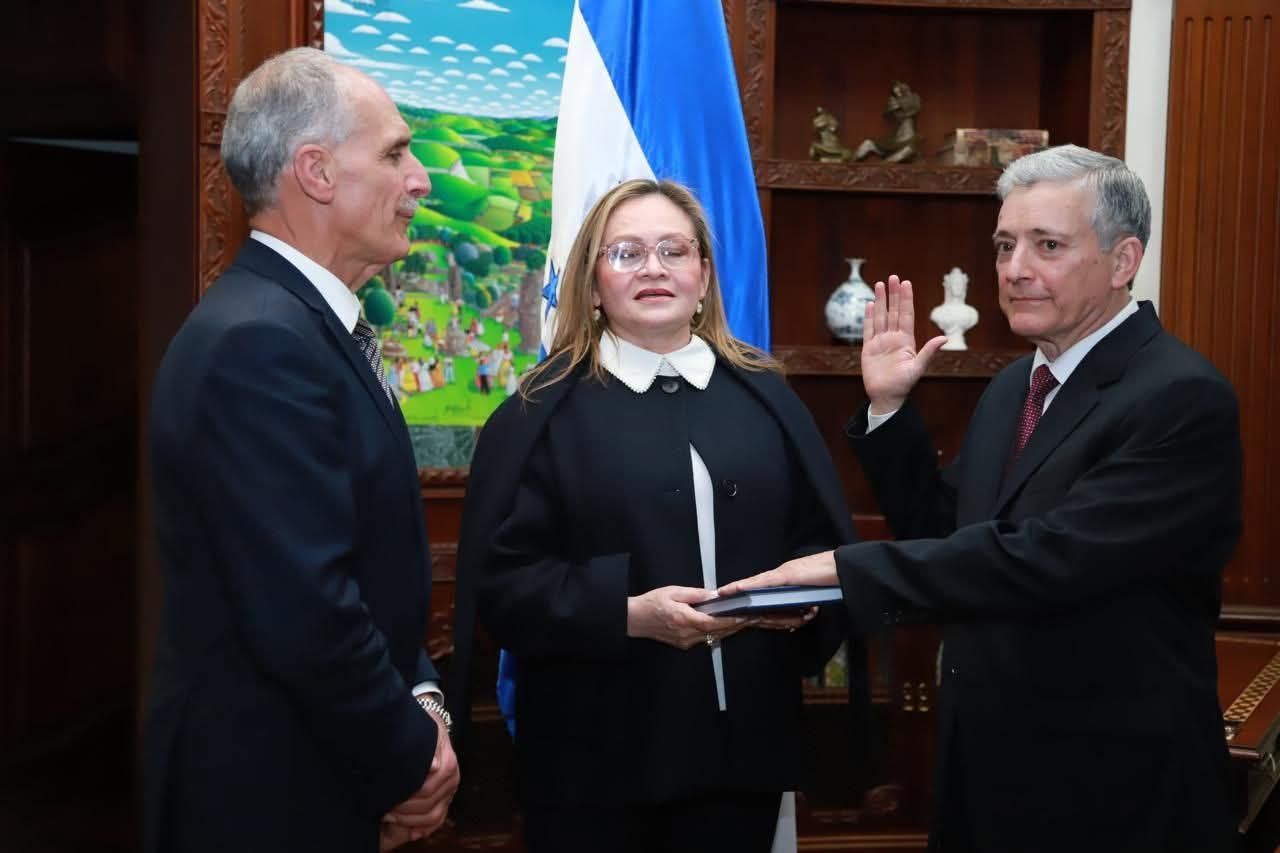
The Government of Honduras has appointed Eduardo Oviedo as the new Secretary of State for Energy. He will also serve, on an interim basis, as General Manager of Empresa Nacional de Energía Eléctrica (ENEE), the country’s vertically integrated public utility.
Oviedo’s appointment comes at a time of institutional reorganisation and priority-setting for the electricity sector, following months of political paralysis. At stake is the long-awaited tender for 1,500 MW of new generation capacity, launched by the previous administration and later frozen amid instability.
With more than 20 years of experience in energy planning, regulation and project execution, Oviedo has held senior roles at the General Directorate of Hydrocarbons, the Energy Superintendency and Honduras’ Renewable Energy Development Programme. He has also worked as a consultant for multilateral organisations, giving him a systemic and operational perspective on the country’s challenges.
A five-pillar roadmap for 2026–2030
From day one, the new Energy Secretary began implementing the government’s energy roadmap for 2026–2030, structured around five pillars: financial sustainability, infrastructure expansion, promotion of renewable energy, universal access and institutional efficiency. Key targets include:
-
Raising renewables to 80% of the power mix by 2027
-
Cutting system losses by 40%, including technical and non-technical losses
-
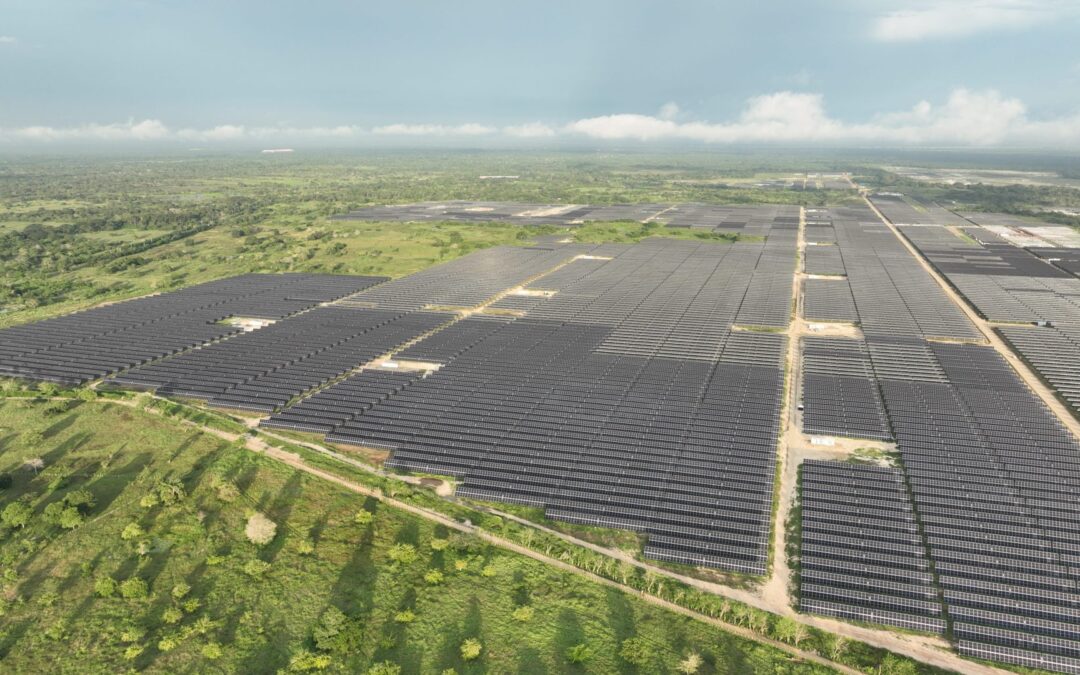
Doubling installed clean capacity, with a focus on solar PV, wind power and biomass
The plan also foresees a tariff stabilisation scheme and the rollout of a National Power System Expansion Master Plan, prioritising supply quality, territorial coverage and robust technical criteria—critical for grid integration and long-term reliability.
Another major front is the reactivation of the 1.5 GW generation tender, previously halted due to political uncertainty. The process includes long-term power purchase agreements (PPAs) for both renewable and thermal projects, as well as energy storage and flexibility solutions to strengthen system resilience. According to sector officials, more than ten companies have already purchased the tender documents.
Of the total capacity, at least 500 MW will be awarded to clean technologies, to diversify the power mix and reduce reliance on costly fossil fuels. The preliminary timetable points to awards before mid-2026.
Industry stakeholders stress that the main challenge will be ensuring technical and regulatory transparency, alongside the financial viability of the contracts. The tender is widely seen as pivotal to attracting investment in renewables, easing generation bottlenecks and laying the foundations for Honduras’ energy transition.
New political backdrop after the presidential transition
Oviedo’s appointment came just days after Nasry Asfura was sworn in as President of Honduras on 27 January, following a tense election period that paralysed public administration for weeks. The previous institutional vacuum had stalled decision-making and delayed critical processes such as the generation tender.
During his campaign, Asfura pledged to restore the electricity system’s sustainability and modernise sector governance. In his inaugural address, he stressed the need to “resume the energy agenda with a long-term vision”. Oviedo’s designation reinforces that approach, signalling a technically driven and execution-focused leadership.
A source close to the energy cabinet said the goal is to consolidate a unified command structure to accelerate implementation of the government programme and improve coordination with market players. “This is a decisive moment to rebuild institutional credibility,” the source noted.
Against this backdrop, Oviedo will play a central role in restoring planning capacity, stabilising state-owned energy companies and coordinating with the private sector on generation and grid expansion. His management is expected to be decisive in shaping the future of Honduras’ electricity system over the coming years.