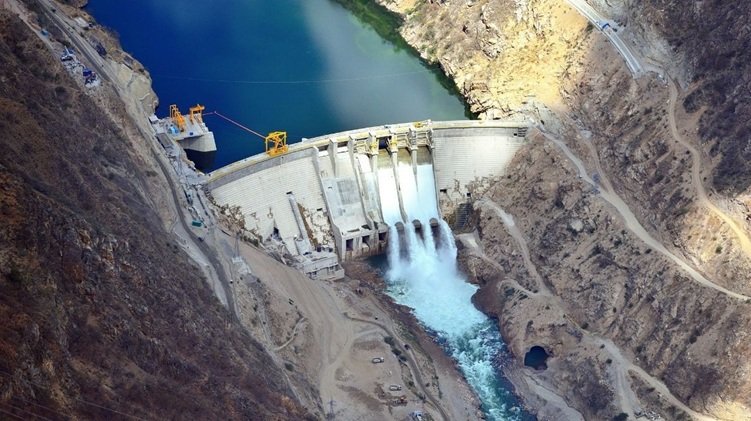









Renewable energy sources accounted for 40.21% of Argentina’s total electricity demand in 2025, meaning that four out of every 10 megawatt-hours (MWh) consumed nationwide were supplied by renewables, including large-scale hydropower.
The figures were released by the Argentine Chamber of Renewable Energy Generators and Value Chain (CEA), based on official data from CAMMESA, the company that manages Argentina’s wholesale electricity market.
Total renewable electricity generation reached 56,799 GWh in 2025, while overall electricity demand stood at 141,249 GWh, confirming the structural role of clean energy within Argentina’s power mix.
CEA member companies generated 16,284 GWh, representing 68.8% of national wind and solar output, and for the tenth consecutive year maintained a leading role in the expansion of the renewable energy sector. This performance reinforces the Chamber’s position as the main representative body of Argentina’s renewable energy value chain.
The renewable generation mix was led by hydropower, followed by wind and solar energy:
-
52.2% – Large-scale hydropower (>50 MW)
-
2.5% – Small hydropower (<50 MW)
-
33.4% – Wind power
-
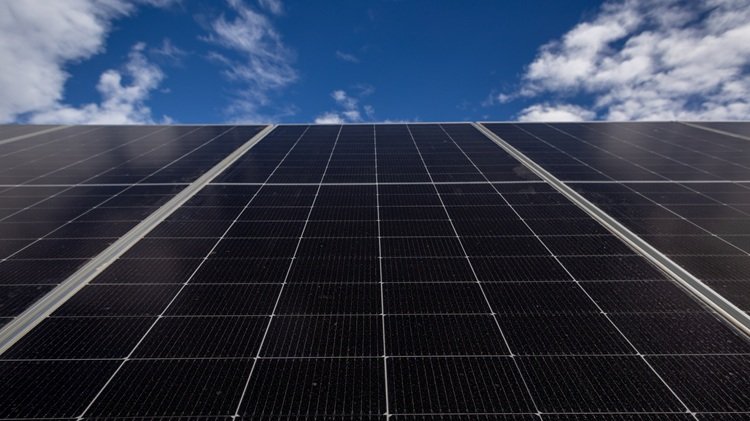
9.2% – Solar PV
-
2.8% – Bioenergy (biomass and biogas)
Beyond electricity generation, the renewable energy sector continued to strengthen its role as a driver of economic activity and foreign trade. According to Argentina’s Ministry of Economy, 2025 marked a historic record for the country’s energy trade balance, with a surplus of USD 7.815 billion and record energy exports of USD 11.086 billion.
Approximately 20% of this energy trade surplus was attributed to the replacement of thermal generation based on diesel and fuel oil with non-conventional renewable energy, highlighting the sector’s impact on reducing fossil fuel imports.
While the positive trade balance is largely linked to the growth of Vaca Muerta, Argentina’s major shale oil and gas formation, renewables also played a significant role, particularly by lowering the need for imported liquid fuels for power generation.
In 2025, Argentina added 738 MW of new renewable capacity, reflecting continued investment under different regulatory frameworks, including MATER (Renewable Energy Term Market), RenovAr and RenMDI programmes.
Key projects commissioned during the year included:
-
Solar PV:
-
Mendoza (Anchoris, Los Molles)
-
Chaco (La Perla, Charata, Villa Ángela)
-
Córdoba (Villa de María Río Seco)
-
Salta (San Carlos Solar Farm)
-
-
Wind power:
-
Buenos Aires Province (La Rinconada, Vientos Olavarría)
-
-
Biomass plants:
-
Corrientes and Misiones provinces
-
Beyond generation figures, the CEA highlighted the ongoing consolidation of Argentina’s renewable energy value chain, encompassing project development, engineering, logistics, industrial and technical suppliers, operation and maintenance (O&M), as well as monitoring and digitalisation services. This ecosystem has a direct impact on skilled employment, private investment and regional development.
Looking ahead to 2026, the Chamber stressed the importance of maintaining sector growth through stable and predictable regulatory frameworks, long-term power grid planning, and continued strengthening of the local renewable energy supply chain, in order to sustain investment in wind power, solar PV, bioenergy and grid integration.