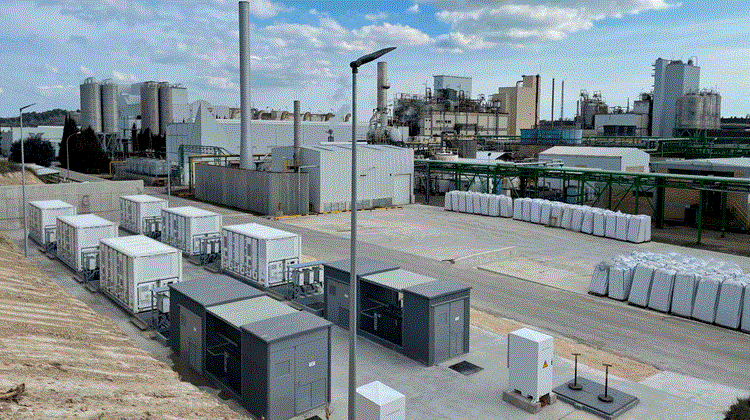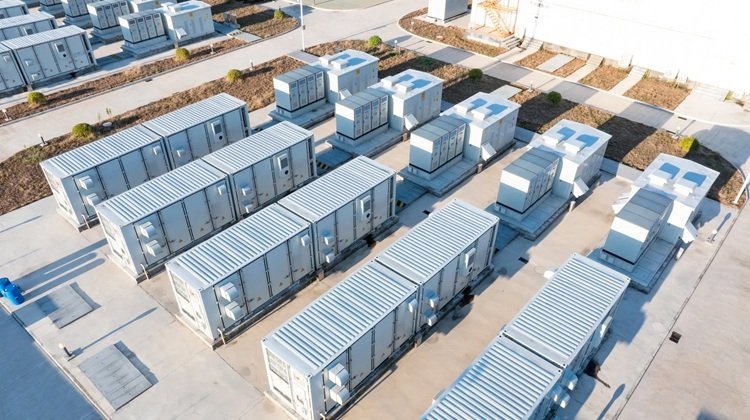












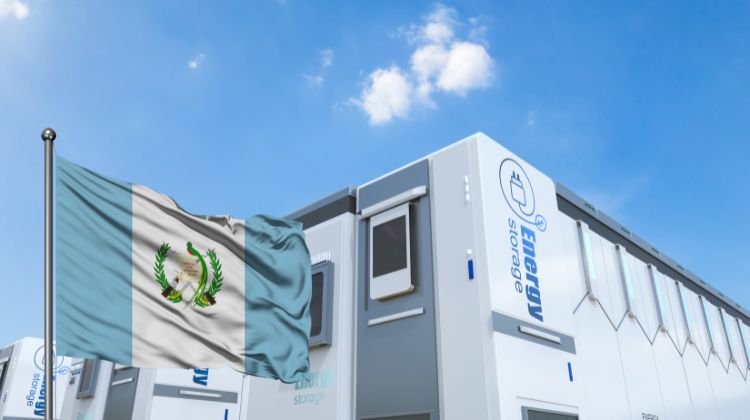
Battery energy storage systems have emerged as the most strategic innovation in Guatemala’s new Electricity Transmission System Expansion Plan 2026–2050, released by the Ministry of Energy and Mines.
For private sector stakeholders, the inclusion of BESS represents a shift in power system planning, enabling greater flexibility, reliability and integration of variable renewable energy such as solar PV and wind power.
“Batteries are a critical tool to support the energy transition, particularly if we want to reduce dependence on conventional generation during peak demand periods,” said Ottoniel Isaias Alfaro, president of the Guatemalan Association of Renewable Energy Self-Producers (AAERG).
BESS will allow the system to absorb excess solar and wind generation, mitigate intermittency and prevent congestion at critical points in the grid, improving overall system resilience.
Alongside storage, the plan also includes the expansion of transmission lines at 69, 138, 230 and 400 kV, rural electrification initiatives and a reduction in technical losses. However, renewable energy developers stress that the most relevant novelty is the inclusion of energy storage as strategic infrastructure. The long-term planning framework aims to address rising electricity demand, environmental pressures and national decarbonisation targets.
Despite this progress, private sector actors warn that the transition cannot be fully achieved without opening up the electricity market. Under the current framework, self-producers and distributed generators are unable to participate directly, limiting investment, competition and decentralised energy development.
“The current system does not allow small producers to compete on fair terms. Opening the market is essential to stimulate investment and foster competition,” Alfaro explained.
Enabling a retail electricity market would help reduce tariffs, attract private capital and broaden access to clean energy.
The sector also highlights the need to complement technical expansion with citizen engagement mechanisms to avoid future conflicts. Proposed measures include early community consultations and more flexible infrastructure designs that can adapt to diverse social and territorial contexts.
AAERG further notes that the combination of new transmission lines, energy storage and operational efficiency could position Guatemala as a regional leader in renewable energy integration, provided that a modern and coherent regulatory framework is implemented.