












Panama has unveiled a new roadmap for its power system built around long-term contracts with fixed prices and regulated conditions. The goal is to reduce reliance on the spot market, avoid tariff spikes and bring greater predictability to the expansion of the country’s energy mix.
The scheme will be implemented by Empresa de Transmisión Eléctrica (ETESA), with the approval of Autoridad Nacional de los Servicios Públicos (ASEP), and under guidelines set by Panama’s National Energy Secretariat. In total, four tenders are planned: two in 2026, one in 2027 and one in 2028.
The process will begin with the LPI ETESA 01-25 tender, postponed to March 2026. It will include:
-
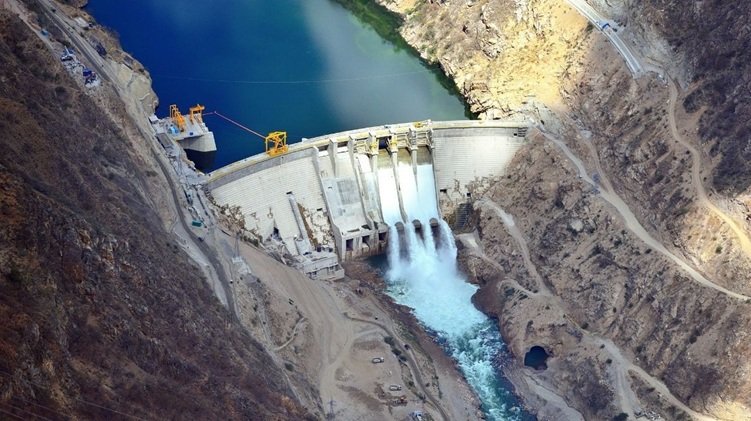
20-year power purchase agreements (PPAs) for new wind and hydropower projects
-
10-year contracts for energy and capacity from existing plants
-
12-year contracts for retrofitted thermal units
Other thermal plants will also be allowed to provide system back-up under regulated terms, even if they have not been converted.
The initiative is part of the National Energy Plan 2025–2050, which restores the State’s role as a long-term planner. Beyond accelerating renewable energy deployment, the framework aims to strengthen system reliability through flexible thermal back-up.
In practice, the authorities expect lower exposure to volatile spot prices and improved economic efficiency across the power system.
Panama’s Energy Secretary Rodrigo Rodríguez Jaramillo said the strategy is based on technical criteria rather than short-term decisions.
“We cannot continue relying on the spot market, as it is volatile. The only way to guarantee tariff stability is through firm, planned contracts,” he said.
The new contractual design also reflects recent experience. In 2023, Panama postponed a renewable energy auction to review conditions that excluded variable generation technologies such as wind power. That process led to regulatory adjustments, which are now consolidated into a more predictable long-term framework.
Under the redesigned scheme, contracts will be non-indexed and fixed-price, allowing developers to structure projects with greater financial clarity. By limiting exposure to spot market volatility, the government aims to shield regulated consumers from abrupt tariff increases.
A key pillar of the strategy is the conversion of thermal plants, which will provide fast-response back-up to cover demand peaks or emergency situations. Operating under predefined and regulated schemes, these units are expected to add flexibility without undermining system sustainability.
The plan maintains a clear focus on national supply. While surplus electricity could be exported, domestic demand remains the priority.
“The objective is national. If there are surpluses, they may be exported once domestic demand is met, but that is not the main purpose,” Rodríguez Jaramillo explained.
All tenders will follow uniform rules, technical transparency and no room for ad hoc changes. According to the Energy Secretary, this is essential to deliver genuine stability to the sector.
“The goal is to ensure reliability, nationwide coverage and a positive impact on electricity tariffs, without improvisation,” he concluded.