











With more than 500 MW under development—combining projects currently under construction and new tenders that include energy storage—Elecnor is reinforcing its long-term strategy in Chile, where it has been operating for 29 years.
The Spanish company has already executed projects worth over USD 1 billion in the country and is now building a future portfolio exceeding USD 800 million, mainly focused on power transmission infrastructure and renewable generation assets.
This was confirmed by Jaime Bengoa, Country Manager of Elecnor in Chile, during the latest Future Energy Summit – Southern Cone, where he also highlighted the company’s interest in expanding hybrid projects that combine generation with energy storage.
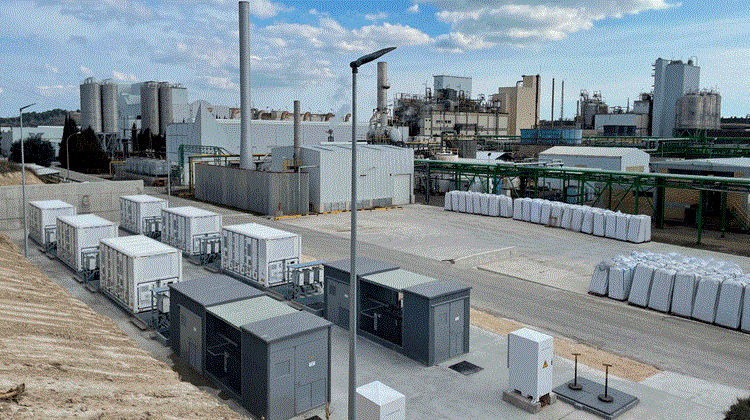
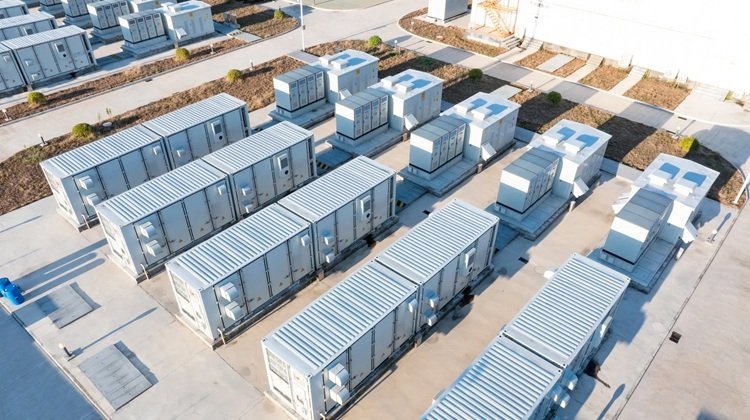
“In Chile, we are currently building a nearly 300 MW solar photovoltaic plant with its corresponding BESS, and we are participating in several tenders totalling more than 500 MW, also incorporating battery systems,” Bengoa said recently.
Looking ahead, the executive pointed to a steady flow of opportunities. “We are bidding for several projects for different power generators,” he added, underscoring Chile’s role as a strategic hub within Elecnor’s regional expansion plan.
A regional footprint beyond Chile
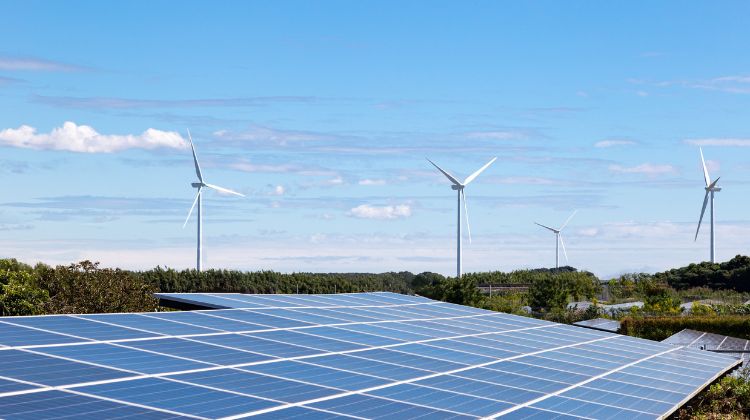
Beyond Chile, Elecnor maintains a solid presence across Latin America. In Brazil, the company has delivered more than 1.7 GW of wind power and 2.3 GW of solar PV, although the market is currently experiencing a slowdown. Elecnor is also active in Colombia and Peru, where it is assessing medium-term opportunities.
The regional strategy is further strengthened by recently awarded projects in Mexico. Through Vientos de Panabá S.A. de C.V., Elecnor was selected in the 2025 Private Power Generation Projects call, where it will develop the Panabá 1B wind farm (252 MW) with 102.1 MW of energy storage. In addition, via Eólica Dzilam, the company is advancing the Dzilam project (120 MW + 48.6 MW BESS), both located in Yucatán.
Permitting, curtailment and transmission: constraints on growth
Despite the strong project pipeline, Bengoa warned about the risks facing renewable energy development in Chile, particularly regarding permitting processes and financial models.
“There are certain concerns related to curtailment and permitting, because many projects are close to reaching construction, but delays in permits can push timelines back and undermine the financial viability under the new schedule,” he cautioned.
From his perspective as a full-scope EPC contractor, Bengoa stressed the importance of aligning generation, energy storage and transmission to ensure what he described as “healthy growth” of renewable capacity. Today, however, that coordination remains insufficient, mainly due to delays in grid infrastructure capable of absorbing the growing volumes of renewable generation and stored energy.
In this context, Elecnor is also betting on grid development as a core pillar of its Chilean strategy. Through Celeo, its affiliated transmission company, the group operates more than 7,900 kilometres of transmission lines, a critical asset for enabling large-scale renewable integration over the next decade.
“We adapt to what the market brings, but the healthiest approach is for everything to move forward together,” Bengoa concluded, summarising the long-term vision guiding Elecnor’s strategy in Chile and across the region.
| Segment | Highlights |
|---|---|
| Chile – projects under execution & tenders | >500 MW (solar PV + BESS) |
| Solar PV under construction (Chile) | ~300 MW with BESS |
| Future project portfolio (Chile) | >USD 800 million |
| Projects executed historically (Chile) | >USD 1 billion |
| Transmission assets (Celeo) | >7,900 km of power lines |
| Mexico (wind + storage) | 372 MW wind + 150+ MW BESS |