










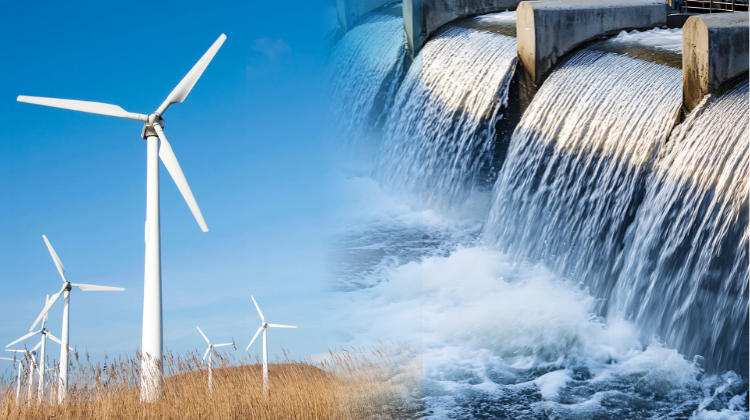
Honduras has over 1,000 MW of installed renewable capacity, according to the Definitive Firm Capacity Report 2025 published by the National Dispatch Centre (CND). While hydropower projects owned by the state deliver the most firm capacity, a wide range of private companies are behind the country’s growing renewable portfolio.
State-owned ENEE leads in firm hydro capacity, operating major plants such as El Cajón (245 MW), Río Lindo (75 MW), Cañaveral (27 MW) and Patuca III (22 MW). In addition, several hydro projects operate under long-term contracts, including Arenal (38 MW) and Vegona (38 MW).
Private players are also active across dozens of smaller hydroelectric plants. Some of the most prominent are CISA (La Esperanza, 8.88 MW), ENERGISA (Babilonia, 1.67 MW) and SEMSA (Mezapa, 1.43 MW). These projects have firm capacity recognised by the CND and contribute to system reliability during peak demand.
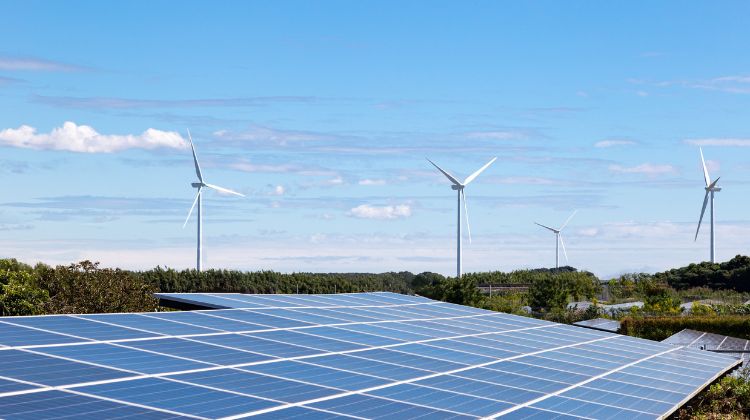
In the wind sector, the largest projects are Cerro de Hula (124 MW), developed by Energía Eólica de Honduras S.A. (EEHSA), and San Marcos (112.5 MW), owned by San Marcos Wind Energy S.A. Together, they form the country’s principal wind corridor, although their contribution to firm capacity is limited due to variability.
The solar photovoltaic segment features a number of medium-scale plants led by private firms. These include SERSA (Choluteca I & II, 50 MW), PRODERSSA (Nacaome, 44.5 MW), FOTERSA (Solar del Pacífico, 20 MW), LLANOSUR (Llanos del Sur, 14.8 MW), GENERSA (Helios, 11.2 MW) and others. While these projects account for a significant share of installed solar capacity, their firm contribution remains marginal under current regulations.
The 1.5 GW international tender: a turning point
Against this backdrop, Honduras is moving forward with an international tender to add 1,500 MW of firm capacity, prioritising renewable energy technologies and energy storage solutions.
The process is being led by the state-owned utility Empresa Nacional de Energía Eléctrica (ENEE), with regulatory backing from the Comisión Reguladora de Energía Eléctrica (CREE). At least ten international companies have already expressed interest, signalling a potential inflexion point for the sector.
“There are many strong companies interested,” commissioner Wilfredo Flores previously told Energía Estratégica.
The tender structure is based on a reverse auction mechanism and long-term power purchase agreements (PPAs), aiming to:
-
strengthen energy security,
-
improve technological diversification, and
-
attract new domestic and international players.
The portfolio includes renewable generation with and without storage, firm capacity technologies and plants with immediate dispatch capability, under contracts designed to ensure reliable availability between 2026 and 2030. The redesign responds to a core system need: adding backup capacity without increasing dependence on thermal generation.
While private hydropower plants show high average efficiency, several assets operate at very low utilisation levels or remain inactive, including Bayano, Bajo de Mina, Salsipuedes and multiple smaller units.
A similar pattern appears in wind power, where some parks operate below 35% capacity factor, raising both technical and economic concerns for system planning.
Outlook
Honduras’ energy transition appears inevitable. With more than 1 GW already in operation and another 1.5 GW in the pipeline, private companies will continue to play a central role – both in conventional generation and in the rollout of renewable and flexible technologies.
The renewable energy map of Honduras is shaped by a mix of public ownership and dozens of private developers, with hydropower still dominating firm capacity. The 1,500 MW tender could rebalance this distribution, introducing more flexible assets and new entrants able to meet technical thresholds.
With hydropower, wind and solar now accounting for over 65% of daily generation, the challenge is no longer only expanding installed capacity—but ensuring that renewables can deliver consistent, firm power. Success will hinge on technical adaptability and investment in dispatchable clean solutions.
| Plant / Project | Technology | Company / Commercial Status | Capacity (MW) | Type |
|---|---|---|---|---|
| El Cajón | Hydropower | ENEE-owned | 245.49 | Firm Capacity |
| Río Lindo | Hydropower | ENEE-owned | 75.59 | Firm Capacity |
| Arenal | Hydropower | Contracted | 38.2 | Firm Capacity |
| Vegona | Hydropower | Contracted | 37.97 | Firm Capacity |
| Cañaveral | Hydropower | ENEE-owned | 27.1 | Firm Capacity |
| Shol | Hydropower | Contracted | 22.63 | Firm Capacity |
| Patuca III | Hydropower | ENEE-owned | 21.78 | Firm Capacity |
| Cuyamapa | Hydropower | Merchant | 10.28 | Firm Capacity |
| La Esperanza | Hydropower | CISA (Investment Consortium S.A.) | 8.88 | Firm Capacity |
| Hidro Xacbal | Hydropower | Regional Contract | 7.58 | Firm Capacity |
| Chamelecón | Hydropower | Contracted | 4.77 | Firm Capacity |
| Río Blanco | Hydropower | Merchant | 2.6 | Firm Capacity |
| Coronado | Hydropower | Contracted | 2.44 | Firm Capacity |
| Cuyamel | Hydropower | Contracted | 1.9 | Firm Capacity |
| Sazagua | Hydropower | Contracted | 1.69 | Firm Capacity |
| Babilonia | Hydropower | ENERGISA | 1.67 | Firm Capacity |
| Pencaligue | Hydropower | Contracted | 1.62 | Firm Capacity |
| Mezapa | Hydropower | SEMSA | 1.43 | Firm Capacity |
| San Juan Pueblo | Hydropower | Contracted | 1.25 | Firm Capacity |
| Cortecito | Hydropower | Contracted | 1.18 | Firm Capacity |
| San Martín | Hydropower | Contracted | 1.06 | Firm Capacity |
| Matarras | Hydropower | Contracted | 1.05 | Firm Capacity |
| Nacaome | Hydropower | No Contract / Non-Merchant | 0.69 | Firm Capacity |
| Río Betulia | Hydropower | Contracted | 0.69 | Firm Capacity |
| Morjas | Hydropower | Contracted | 0.67 | Firm Capacity |
| La Aurora | Hydropower | Contracted | 0.65 | Firm Capacity |
| Genera Los Laureles | Hydropower | Contracted | 0.64 | Firm Capacity |
| Zinguizapa | Hydropower | Contracted | 0.62 | Firm Capacity |
| Las Glorias | Hydropower | Merchant | 0.5 | Firm Capacity |
| Mangungo | Hydropower | Merchant | 0.4 | Firm Capacity |
| Churune | Hydropower | Contract / Merchant | 0.36 | Firm Capacity |
| Cececapa | Hydropower | Merchant | 0.28 | Firm Capacity |
| Agua Verde | Hydropower | Contracted | 0.23 | Firm Capacity |
| San Alejo | Hydropower | Contracted | 0.2 | Firm Capacity |
| Chachaguala | Hydropower | Contracted | 0.2 | Firm Capacity |
| Río Quilio | Hydropower | Contracted | 0.16 | Firm Capacity |
| Río Guineo | Hydropower | Contracted | 0.15 | Firm Capacity |
| Zacapa | Hydropower | Merchant | 0.11 | Firm Capacity |
| Hidro Yojoa | Hydropower | Contracted | 0.06 | Firm Capacity |
| Los Laureles | Hydropower | Contracted | 0.05 | Firm Capacity |
| Nispero II | Hydropower | Contracted | 0.03 | Firm Capacity |
| Cerro de Hula | Wind | Energía Eólica de Honduras S.A. (EEHSA) | 124 | Installed |
| San Marcos (Plant) | Wind | San Marcos Wind Energy S.A. de C.V. | 112.5 | Installed |
| Chinchayote | Wind | Cerro Hula San Marcos Chinchayote | 12.14 | Installed |
| Eneresa (with batteries)* | Solar | ENERESA | 2.72 | Installed |
| Choluteca I & II | Solar | Soluciones Energéticas Renovables S.A. de C.V. (SERSA) | 50 | Installed |
| Nacaome / Nacaome II | Solar | PRODERSSA | 44.5 | Installed |
| Solar del Pacífico | Solar | FOTERSA (Renewable Energy Solutions*) | 20 | Installed |
| Llanos del Sur | Solar | Llanos del Sur Fotovoltaica S.A. de C.V. (LLANOSUR) | 14.81 | Installed |
| FOTOSUR | Solar | Fotovoltaica Sureña | 12.12 | Installed |
| Helios | Solar | Helios / Generaciones Energéticas S.A. (GENERSA) | 11.25 | Installed |
| ENERSOLSA | Solar | Enersolsa | 6.25 | Installed |
| Las Lajas | Solar | Las Lajas (listed in outage reports) | 0 | Installed |
| Marcovia | Solar | Central American Electricity Trading Company (CECHSA) | 0 | Installed |
| Cinco Estrellas | Solar | ECSA | 0 | Installed |
| Pavana Solar | Solar | Energía Básica S.A. (ENERBASA) | 0 | Installed |