









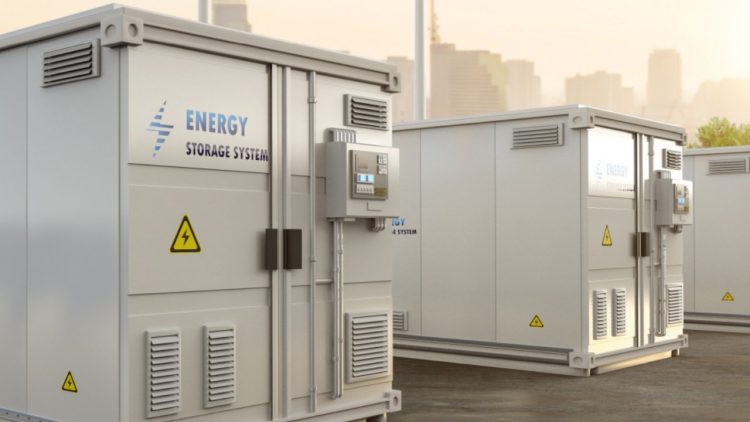
Spain has moved forward with 485.9 MW of energy storage capacity in just one month, with projects entering different stages of the administrative and environmental permitting process, according to data compiled by Energía Estratégica.
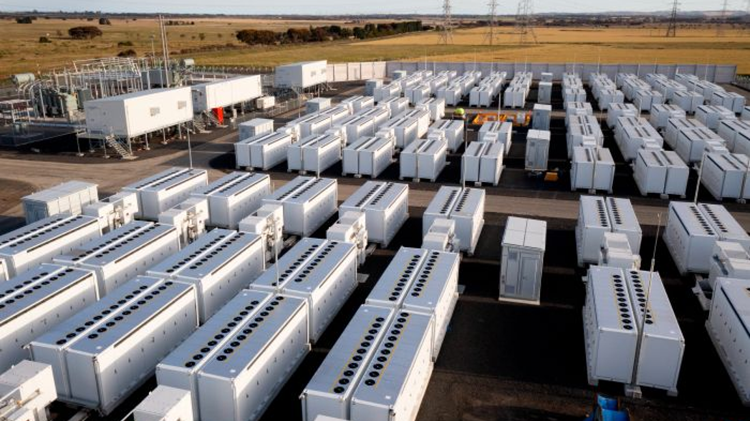
The figure covers 12 projects across seven Autonomous Communities, the majority linked to existing or planned solar photovoltaic (PV) plants. This confirms hybridisation with renewables as the dominant deployment model for battery energy storage systems (BESS) in the country.
Extremadura leads the pipeline with more than 190 MW under review, followed by Castile and León with nearly 77 MW, and Andalusia with 77.6 MW. These regions are strengthening their position as strategic hubs for renewable generation and grid-scale storage, aligned with Spain’s broader energy transition strategy.
Among the most advanced initiatives is a 95 MW system developed by Parque Solar Cáceres S.L., designed to be hybridised with the FV Arenales solar PV plant. Another significant project is the 77.6 MW BESS promoted by Rolwind Renovables in Málaga, currently undergoing environmental authorisation.
All projects are being assessed through Spain’s regulatory framework, including Environmental Impact Declarations (EIA/DIA) and Prior Administrative Authorisation (AAP). In several cases, both procedures are running in parallel, particularly where storage is added to operational solar assets.
For instance, Enel Green Power is advancing four storage systems in Extremadura, totalling 133.4 MW, linked to existing solar plants such as FV Hernán Cortés and FV Apicio. Meanwhile, Solaria is processing a 45.5 MW battery project in Burgos, hybridised with its 140.1 MW Agrupación Maira Gamma PV complex.
Hybridisation with solar PV is a constant across the portfolio. With only minor exceptions, all reported projects are associated with photovoltaic plants, either to increase operational flexibility, improve grid stability, or optimise energy dispatch through storage.
Additional examples include OPD Energy, which is developing 57.7 MW of storage in Barcelona and Zaragoza, and X-ELIO Energy, with a 63 MW project in Valencia. Another initiative, led by Planta FV 112 SL, adds 31 MW in Valladolid, further expanding Spain’s hybrid solar-plus-storage map.
In November and December alone, Spain processed more than 2 GW of renewable capacity, mainly wind and solar PV, according to previous Energía Estratégica analysis. The recent acceleration in storage permitting, therefore, signals a deeper technological diversification, reinforcing system flexibility as renewable penetration increases.
Ongoing permitting activity also reflects institutional efforts by several regional governments to accelerate storage deployment. Galicia, Andalusia and the Valencian Community have introduced mechanisms to streamline environmental assessments and administrative approvals, facilitating faster grid connection for these critical assets.
This momentum is closely linked to Spain’s revised National Energy and Climate Plan (PNIEC), which sets a target of 22 GW of operational storage by 2030, combining battery storage, pumped hydro and other technologies. The projects currently under review represent a tangible step towards that goal, contributing both installed capacity and greater resilience to the power system.
As electrification accelerates and renewable generation becomes increasingly variable, energy storage is emerging as a cornerstone of Spain’s future energy system. The figures from the past month suggest that developers and investors are beginning to respond rapidly to the regulatory and market opportunities now taking shape.
Against this backdrop, the sector is preparing for a key industry event. On 12 February, Madrid will host the Future Energy Summit (FES) Iberia – Renewables & Storage 2026, where stakeholders will discuss the future of storage, renewable integration and critical infrastructure deployment.
Participants will include representatives from IDAE (Institute for Energy Diversification and Saving), MITECO, regional authorities, and CEOs from leading companies such as Saeta Yield, Iberdrola and EDP Renováveis, among other strategic players in the Iberian energy ecosystem.