











Senior executives from Acciona Energía, ENGIE, Saeta Yield and FE Energy identified two strategic priorities for Spain looking ahead to 2026: accelerating electricity demand growth and establishing a more defined regulatory framework for energy storage.
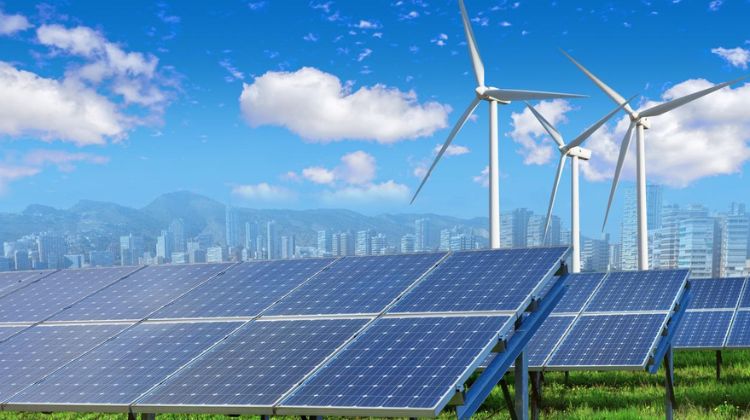
Speaking at the Annual Congress of APPA Renovables, the executives warned that while Spain has abundant renewable resources, mature technology and strong investment appetite, the system’s long-term viability depends on translating installed capacity into sustained and structural electricity consumption.
According to Red Eléctrica Española (REE), Spain’s electricity demand rose by 2.7% in 2025, reaching 255,759 GWh. In December alone, consumption totalled 22,582 GWh, up 2.6% year-on-year—or 4.2% when adjusted for temperature effects and the working-day calendar.

REE also estimates that self-consumption accounts for close to 3% of total monthly demand. Industry leaders view this trend as encouraging, but still insufficient, stressing the need for policies that drive deeper and more stable electrification across the economy.
“We need demand running through the system. Renewable generation is in place, but it must be matched by sustained and structural consumption,” said Álvaro Pérez de Lema, adding that while Spain is technically well positioned, economic sustainability requires a solid demand base. He also underlined the central role that energy storage will play in enabling that transition.
In a similar vein, Arantza Ezpeleta argued that electrification must sit at the core of Spain’s energy strategy. “We have the resources and the technology. The challenge is ensuring that renewable energy is not only produced, but effectively consumed within the productive system,” she noted.
From ENGIE Spain, Daniel Fernández Alonso suggested revisiting certain market signals that, without requiring structural reforms, could stimulate higher electricity use in industrial sectors. “Spain has made significant progress in consolidating its renewable system. The next step is to complement it with incentives for efficient and competitive electricity consumption,” he said.
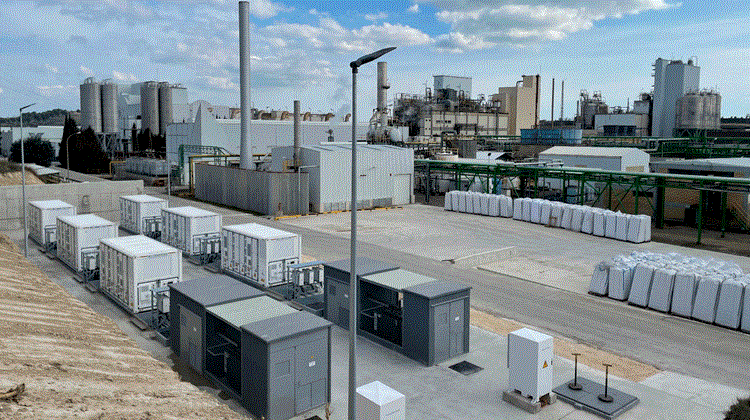
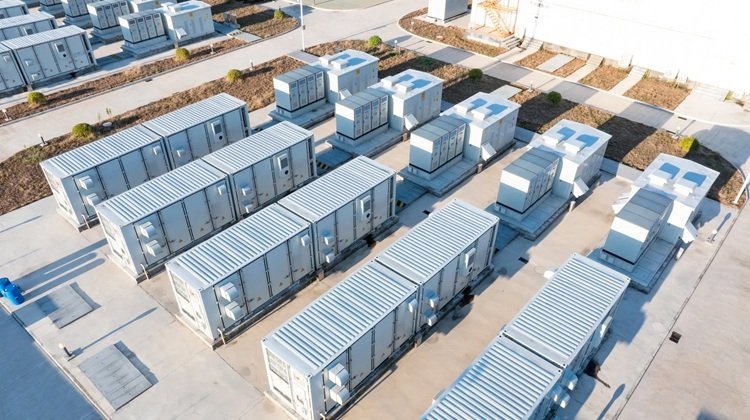
Energy storage was another focal point of the discussion. With more than 40 GW of storage projects submitted—well above the 13 GW envisaged in Spain’s National Energy and Climate Plan (PNIEC)—the sector is calling for clearer guidance on system planning, grid access and remuneration schemes to unlock this potential and improve grid flexibility as solar PV and wind power continue to expand.
For his part, Alberto García Feijóo stressed the importance of aligning renewable expansion with firm demand, stable contracts and long-term visibility. “Installed capacity is growing, which is positive. But we also need to ensure there is sufficient consumption to support it,” he emphasised.
Overall, industry leaders agreed that Spain is moving in the right direction, but that the next two years will be decisive in consolidating a balanced and resilient energy model. Boosting electrification, improving the regulatory framework for energy storage and securing economic conditions that attract long-term investment will be critical to meeting the country’s 2030 climate and energy targets.
Pérez de Lema, along with other senior executives such as Rocío Sicre, has already confirmed participation as a speaker at the next edition of FES Iberia, scheduled for 12 February, where discussions on the future of Spain’s energy system will continue.