










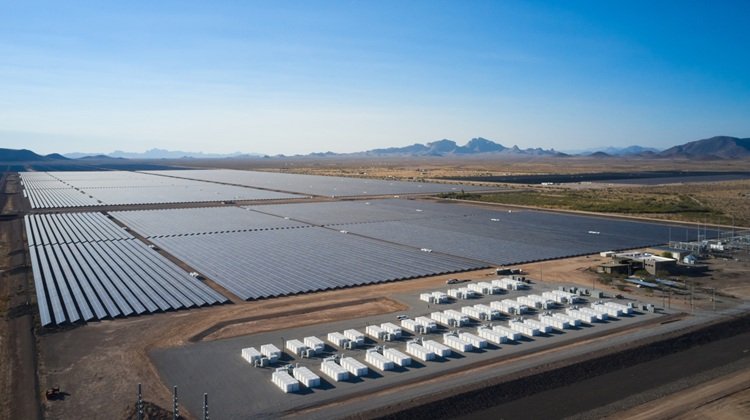
Germany-based utility RWE has obtained environmental approval to develop a large-scale solar photovoltaic plant with battery energy storage in northern Chile. The project entails an estimated investment of USD 320 million and will be located in the municipality of Pozo Almonte, in the Tarapacá Region.
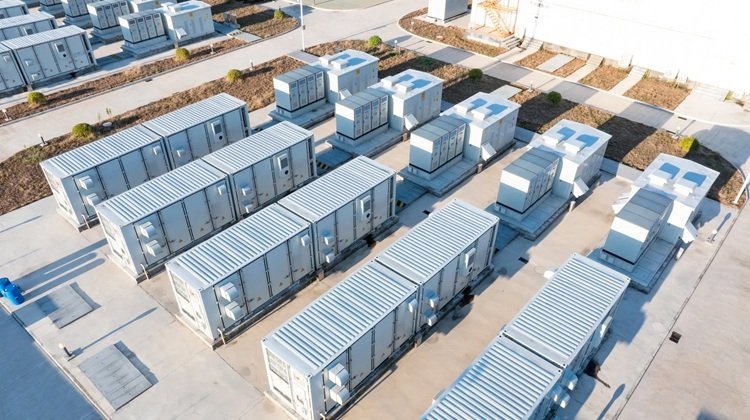
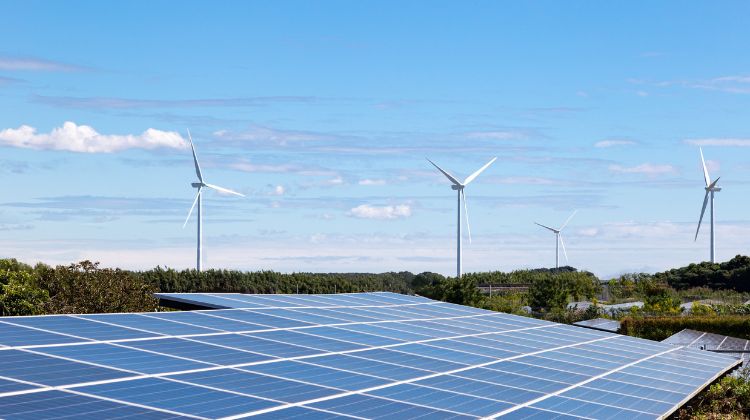
Named Pita Solar Photovoltaic Park, the project comprises a hybrid facility with 192.4 MW of installed solar PV capacity, supported by a battery energy storage system (BESS) designed to deliver electricity for five consecutive hours. The storage component is intended to enhance operational flexibility and support grid integration during peak demand and low solar output periods.
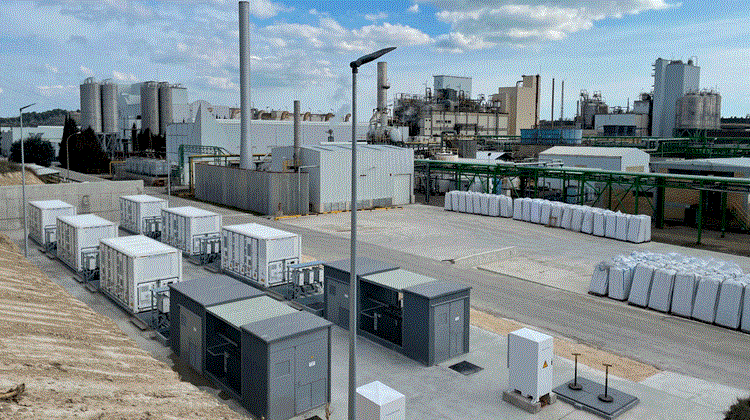
The plant will include more than 334,000 solar modules, each rated at 575 W, alongside the associated battery system. To enable power injection into Chile’s National Electric System, the project foresees a step-up substation converting voltage from 33 kV to 220 kV, 42 transformer stations, underground cabling, and a 13.3-kilometre, 220 kV overhead transmission line connecting the Pita Solar substation to the Nueva Pozo Almonte substation.
This milestone in Tarapacá follows another recent approval for RWE in the country. In 2025, the company secured environmental clearance for the Los Durmientes project in the Antofagasta Region, which combines 243.6 MW of solar PV with 255.4 MW of battery storage capacity.
The Los Durmientes project received unanimous approval from the regional Environmental Assessment Commission after submitting its Environmental Impact Statement in early 2024. It is supported by a state land concession granted in 2022 and includes the installation of over 467,000 photovoltaic modules rated at 550 Wp, optimised for high solar irradiation conditions in the Atacama Desert.
Power evacuation from Los Durmientes will take place via the Monte Mina substation, using high-voltage infrastructure. While RWE expects construction to begin in 2026, the final schedule will depend on technical, regulatory and financial factors.
Together, both projects reinforce RWE’s strategy to expand utility-scale renewable energy, solar PV, and energy storage assets in Chile, one of Latin America’s most dynamic markets for hybrid renewable generation and grid-scale batteries.