











With the change of government just around the corner in Honduras, Erick Tejada is wrapping up his term as Secretary of State for Energy, as part of a transition process that will culminate on 26 January with the inauguration of Nasry Asfura.
In an exclusive interview with Energía Estratégica, the outgoing official points to what he describes as big structural changes in an energy sector that he admits was in crisis when he took office.
During his administration, investments of around USD 1 billion were executed across generation, transmission and distribution. This effort not only supported infrastructure modernisation but also helped cut losses at the state-owned utility Empresa Nacional de Energía Eléctrica (ENEE) by almost 4% — a target that had not been achieved in 16 years.
“We found ENEE in a critical situation, with a growing debt spiral and uncontrolled losses. Today we are leaving behind a more orderly company, with tangible results,” Tejada said.
At the same time, the growth of total debt was contained and floating debt with power generators was reduced, strengthening the financial position of the electricity system. According to Tejada, his team set out a medium-term roadmap for strategic investment while placing loss reduction at the centre of national energy policy.
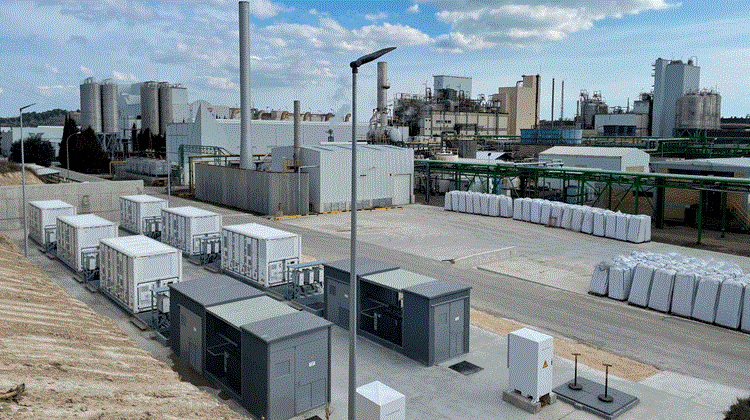
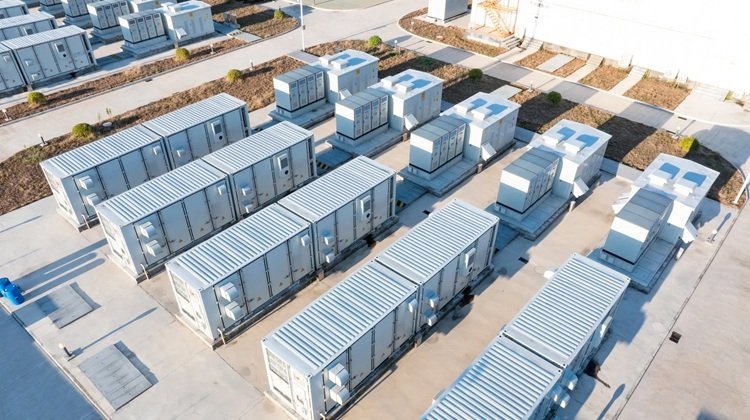
One of the most significant technical milestones of his tenure is the deployment of the largest energy storage system in Central America, which is currently under development. The facility will make it possible to store part of the country’s existing 850 MW of renewable capacity and dispatch it at night or during peak demand periods. The project aims to improve grid integration of hydropower and wind energy, helping to stabilise the electricity supply.
Among the issues now left to the incoming administration is a 1.5 GW public tender for new generation capacity, which Tejada says is already on track. Technical bids are scheduled to be opened on 23 February.
“This process cannot be allowed to stall or move backwards; it represents a critical opportunity for the country’s energy future,” he stressed.
Despite the progress made, structural challenges remain. Tejada points to the need for continued political commitment to expanding the transmission grid, unifying distribution operations and ensuring the sustainability of reductions in both technical and non-technical losses.
Although he is stepping down from the cabinet, Tejada does not intend to withdraw from the energy debate. He confirmed that he will remain active in the sector and in academia, adopting what he described as a “constructive but watchful” role. His aim, he explained, is to continue contributing ideas and critical analysis in support of a sustainable energy policy aligned with the demands of the global energy transition.