






Portugal’s power system reached a new milestone in 2025, with renewable energy generation totaling 37 terawatt-hours (TWh)—the highest figure ever recorded in the country. This output was sufficient to meet 68% of national electricity demand, reinforcing Portugal’s position as one of Europe’s leading markets in renewable energy integration.
The figure surpasses the previous record of 36.7 TWh set in 2024, even after accounting for technical constraints imposed on power generation to ensure system security following the April 28 blackout and its immediate aftermath.
The data were reported by Redes Energéticas Nacionais (REN), Portugal’s transmission system operator, which highlighted 2025 as the highest renewable penetration ever achieved in the national electricity system.
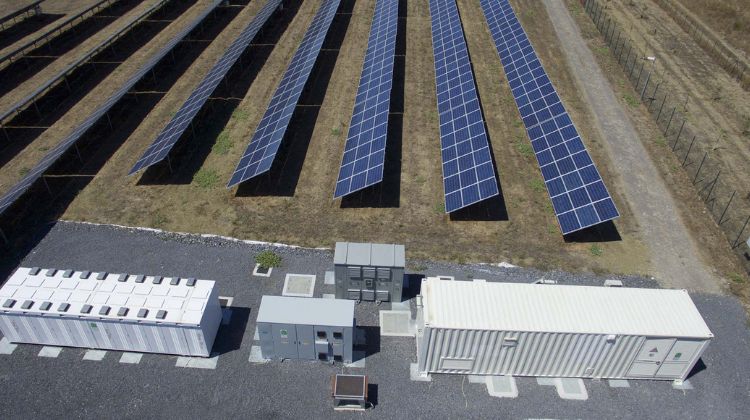
The strong performance was largely driven by a 25% year-on-year increase in solar photovoltaic (PV) generation, reflecting the rapid expansion of utility-scale and distributed solar capacity across the country. Favorable hydrological conditions also played a key role in boosting renewable output.
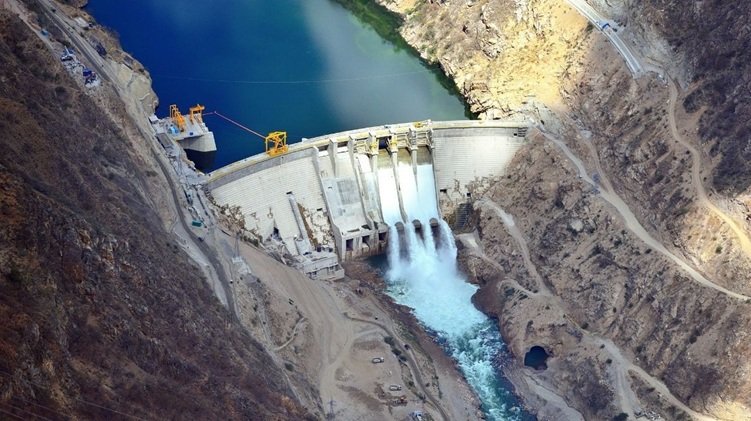
According to REN, hydropower was the leading renewable source, covering 27% of total electricity demand, followed closely by wind power at 25%.
Solar energy accounted for 11% of consumption, while biomass contributed 5%, resulting in a well-diversified renewable energy mix that supports grid stability and security of supply.
The remaining share of electricity demand was met by conventional generation—mainly natural gas, which represented 15%—and by electricity imports, which covered 17% of national consumption.
Higher demand
Despite the record renewable output, Portugal remained a net electricity importer in 2025. Net imports totaled 9.3 TWh, representing an 11% decrease compared to the previous year. Even so, imported electricity still accounted for 17% of total demand, down from 20% in 2024.
Overall electricity consumption in Portugal reached 53.1 TWh in 2025, marking a 3.2% year-on-year increase. When adjusted for weather conditions and the number of working days, demand growth stood at 2.3%, confirming a sustained upward trend in electricity consumption across the Portuguese power system.