












Jaime Toledo, CEO for South America at Acciona Energía, has opened a critical debate on whether Chile’s electricity tariff system is prepared to support the next phase of the energy transition, marked by high renewable penetration and large-scale energy storage.
“We must move quickly toward a reform of the electricity pricing system. Otherwise, the energy transition will start to slow down,” Toledo stated during the Future Energy Summit Southern Cone (FES Chile).
According to the executive, around 40% of Chile’s power generation currently has zero variable cost, mainly from renewable energy sources. “The problem is that the existing pricing structure does not allow these technologies to achieve the profitability needed to continue deploying new renewable capacity,” he said.
Toledo stressed that Chile’s current tariff model was designed more than 43 years ago, originally to ensure returns for hydropower and thermal generation. Today, however, it has become increasingly obsolete in the face of solar PV, wind power and battery energy storage systems (BESS).
The rapid emergence of energy storage further reinforces the need for a deep regulatory update, as unclear rules and market signals could delay critical investments required for decarbonization and system reliability.
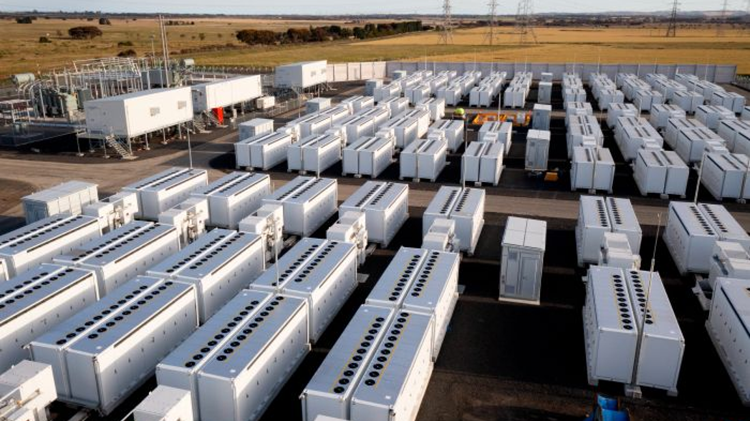
In this context, Toledo highlighted Acciona Energía’s recent announcement of a 1 GWh battery storage system at its Malgarida solar complex (238 MWp) in the Atacama Desert. While the project demonstrates the company’s commitment to Chile’s energy transition, it also illustrates the type of investment that requires clear, stable and bankable regulation.
With the Malgarida battery, Acciona aims to optimize renewable energy management in Chile, where it currently operates 922 MW of installed capacity, including:
-
Three wind farms: Punta Palmeras (45 MW), San Gabriel (183 MW) and Tolpán Sur (84 MW)
-
Five solar PV plants: El Romero (246 MWp), Usya (64 MWp), Almeyda (62 MWp) and Malgarida (238 MWp)
In addition, the company is developing a pipeline of three battery storage projects totaling 1.5 GWh, all linked to its solar assets in the country.
Despite progress in large-scale storage, Toledo warned that Chile’s power system continues to operate under significant market distortions that undermine efficiency and sustainability.
One of the main issues, he said, is the high cost of keeping thermal power plants online for technical and security reasons, even when renewable generation is available.
“In 2024 alone, forced operations due to security constraints and minimum technical requirements at thermal plants cost the country USD 298 million. And so far in 2025, these costs have already reached USD 220 million,” Toledo revealed.
To gradually replace these fossil-based units, he called for a stronger push toward grid-forming technologies, which can provide system stability and synthetic inertia without relying on thermal generation during nighttime hours or system disturbances.
“Grid forming allows you to provide synthetic inertia. Today, we still need fossil-fueled thermal plants to stabilize the grid. This displaces renewables and has a high economic, environmental and social cost,” he explained. While the technology already exists, Toledo emphasized that Chile lacks the regulatory framework to enable its large-scale deployment.
Call for regulatory clarity
The Acciona executive made a direct appeal to regulators to urgently define the technical annex of the security and quality-of-service regulation, establishing clear standards for grid-forming batteries, including response times, system sizes and performance requirements.
“The only way to reduce electricity bills and ensure that the energy transition reaches Chilean households is through more storage, more transmission and more renewables,” Toledo stressed.
He also underscored the urgent need to expand electricity transmission infrastructure, not only to reduce record levels of renewable curtailment, but also to ensure that investments in clean generation remain economically viable.
Finally, Toledo warned that without swift regulatory decisions, Chile risks maintaining a structural dependence on fossil fuels, even in scenarios where clean energy could meet a much larger share of demand, due to ongoing distortions in the capacity and power markets.