










Trina Storage, the energy storage arm of Trina Solar, marked a new milestone in its Latin American expansion during the Future Energy Summit Chile (FES Chile), where it officially introduced its next-generation battery energy storage system (BESS), Elementa 3.
The company has already delivered 1.2 GWh of BESS capacity across Latin America and is preparing for a new wave of contracts supported by this latest solution, which significantly enhances both technical performance and financial efficiency.
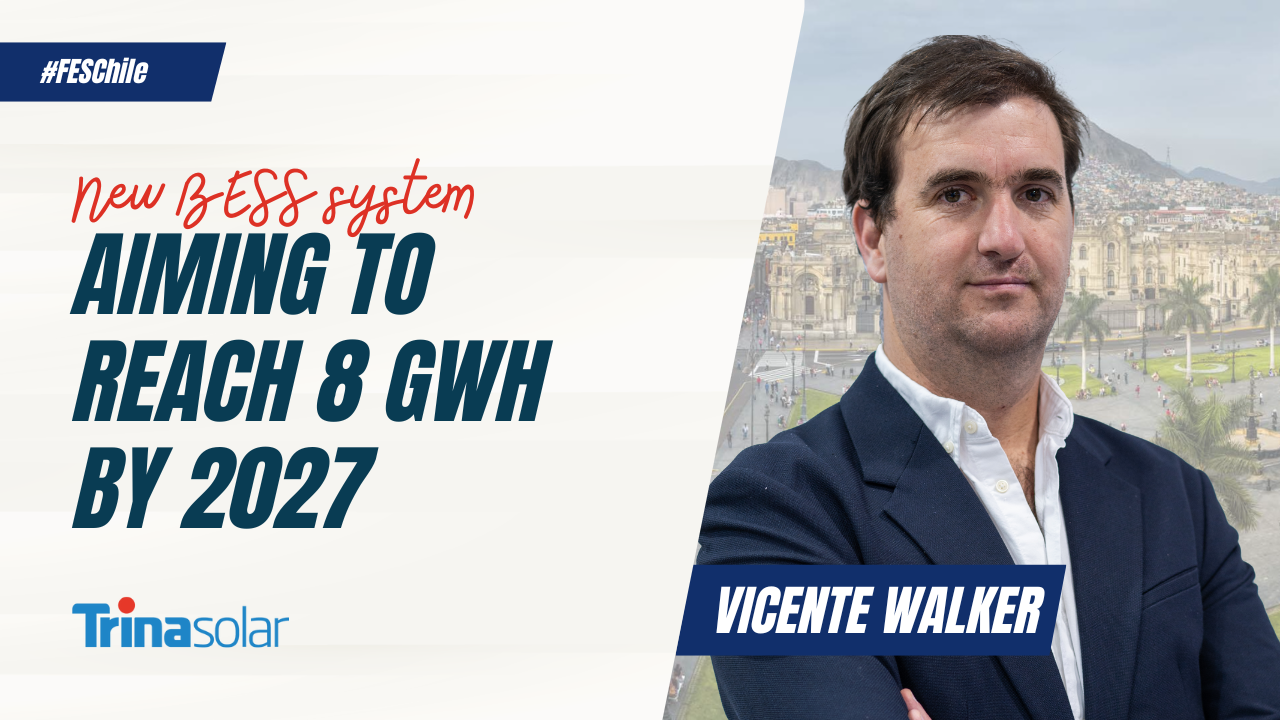
“By 2026, we will have 2.8 GWh of projects under contract. That means by the end of that year, we will reach 4 GWh in operation, positioning us among the top three or four storage players in Latin America,” said Vicente Walker, Head of Trina Storage for Latin America and the Caribbean. “Looking ahead to 2027, we expect to have around 7 to 8 GWh operating across the region.”
Walker added that the new Elementa 3 platform is already being commercialised in Latin America, with first deliveries scheduled for the end of next year.
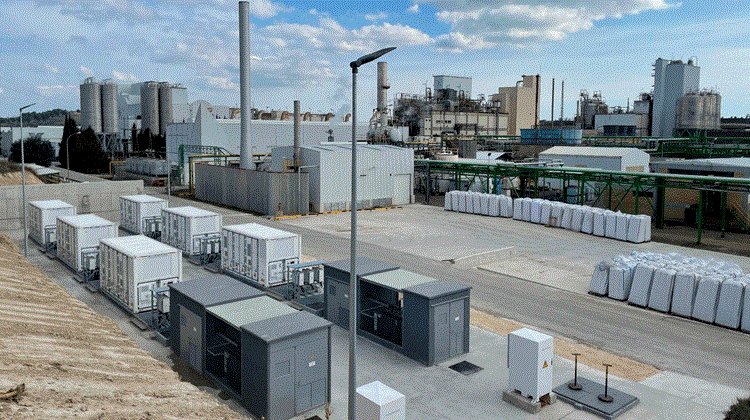
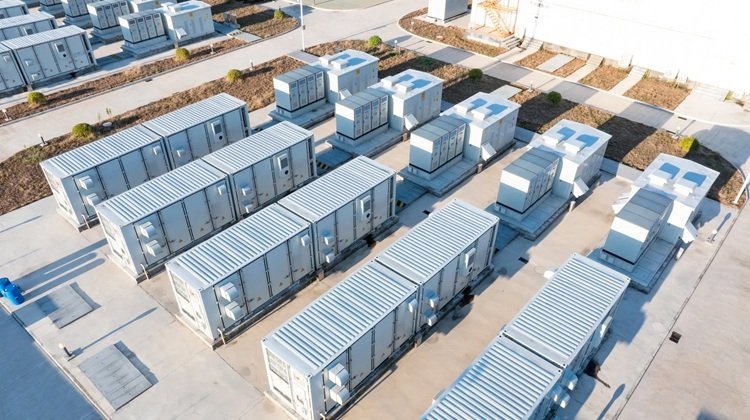
Elementa 3 offers 6.25 MWh of storage capacity in a 20-foot container and integrates the AC block and the medium-voltage power conversion system (PCS). This architecture enables significant optimisation of capital expenditures (CAPEX), site layout, land use (footprint), and balance of plant (BOP) costs.
“In the end, the entire project becomes more efficient for the customer, with tangible performance improvements,” Walker explained, noting that the solution responds to increasingly stringent market requirements, both economic and technical.
Chile remains a cornerstone of Trina Storage’s regional strategy. The country is not only home to the company’s Latin American headquarters but also hosts some of its largest projects, including a 1.2 GWh stand-alone BESS and an 800 MWh hybrid system paired with a solar PV plant.
At the same time, Argentina has emerged as another key market following the results of the AlmaGBA tender, which awarded more than 700 MW of BESS capacity with five-hour duration—equivalent to approximately 3.5 GWh of energy storage.
“We have already signed close to 1 GWh from the winning projects under AlmaGBA, and we expect to close one or two additional plants, which would take us beyond one-third of the awarded capacity,” Walker revealed.
Looking toward 2026, Trina Storage is closely monitoring upcoming tenders for hybrid and stand-alone BESS projects in Argentina, Brazil, Honduras, Guatemala, the Dominican Republic, and other Caribbean markets. The company supports developers and EPC contractors from early-stage project design to ensure competitive bids. “That’s where we create the most value,” Walker stressed.
Grid-forming technology and longer battery life
A key pillar of Trina Storage’s strategy is delivering systems ready for emerging regulatory frameworks across the region. All of the company’s BESS solutions already include grid-forming capabilities, enabling storage assets to provide grid stability, ancillary services, and frequency regulation.
“All countries are currently discussing new grid-forming regulations to strengthen power system stability,” Walker said, underlining that these capabilities will be essential to ensuring the bankability of future BESS developments.
With advanced platforms like Elementa 3 and a growing pipeline across Latin America’s main energy markets, Trina Storage is positioning itself as a leading player in the region’s rapidly expanding energy storage sector.