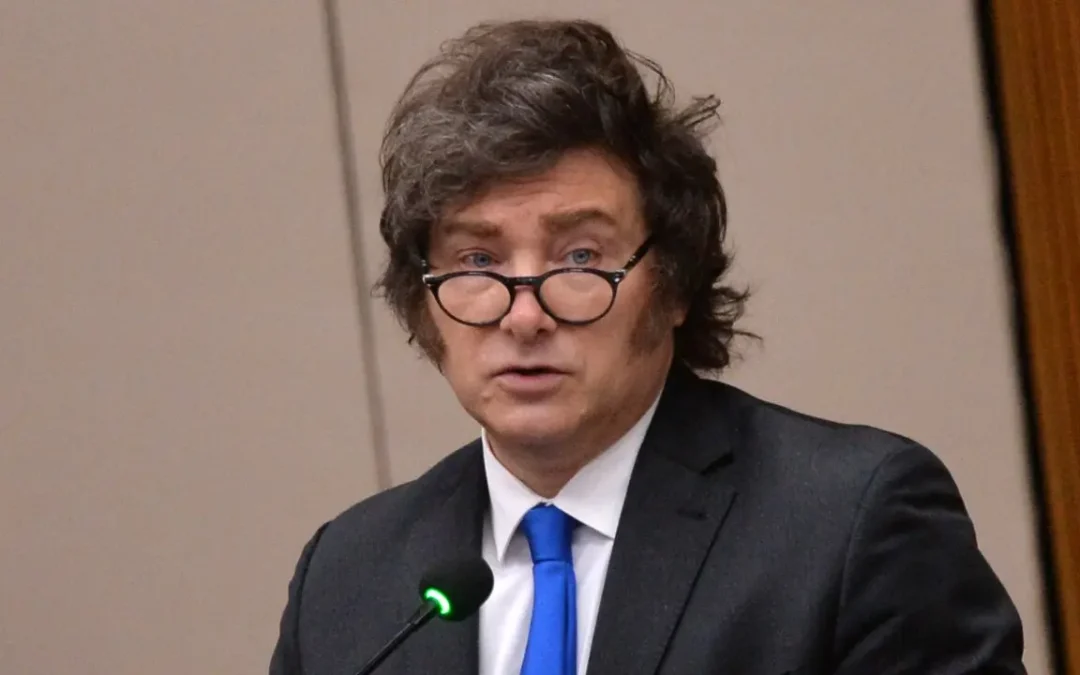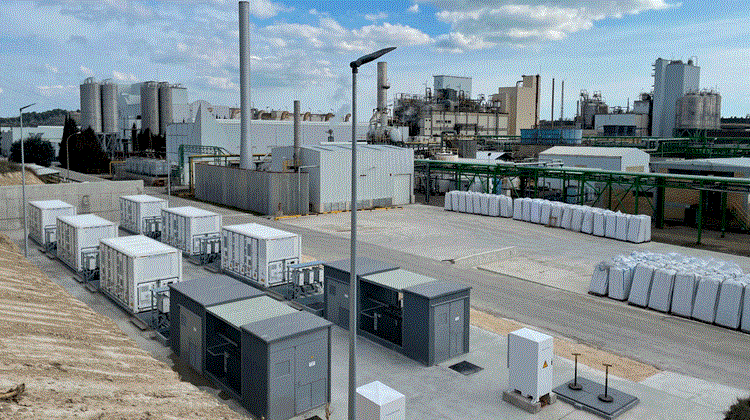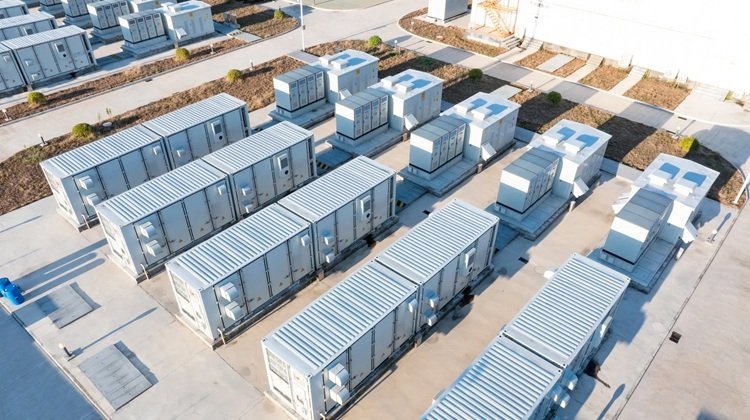











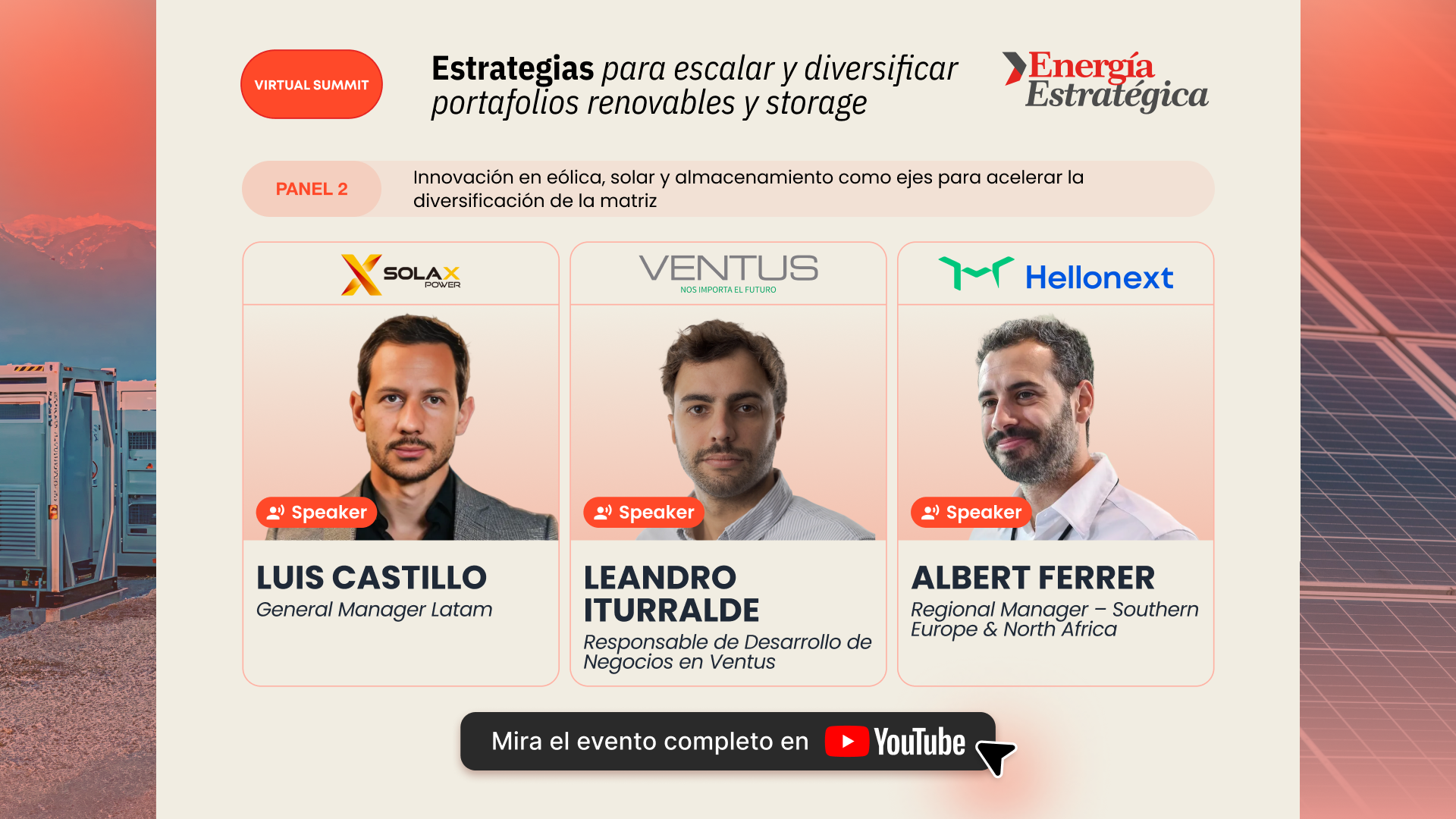
At the second panel of the event organised by Energía Estratégica, entitled “Innovation in wind, solar and storage as drivers to accelerate energy mix diversification”, representatives from Ventus, Hellonext and SolaX Power agreed that energy storage—particularly battery energy storage systems (BESS)—will play a decisive role in the short to medium term in scaling up the energy transition in Latin America.
Panellists also highlighted the growing momentum of distributed generation, the evolution of more flexible financing models, and the need for agile regulatory frameworks to unlock investment in renewable energy, energy storage and grid integration.
Leandro Iturralde, Head of Business Development at Ventus, noted that key instruments are already being deployed to support the transition.
“We are talking about BESS, distributed generation, digital tools and financial mechanisms such as blended finance,” he said.
Drawing on Ventus’ experience in markets such as Chile and Ecuador, Iturralde stressed that infrastructure development must be accompanied by regulatory signals that allow not only energy to be remunerated, but also the system security services provided by batteries, such as flexibility and grid stability.
Albert Ferrer, Regional Manager for Southern Europe and North Africa at Hellonext, underlined that the broader context must also evolve.
“Bureaucracy often slows progress. We need to install a power plant or a multi-megawatt grid connection to be a streamlined process, not a complex one,” he said.
Ferrer emphasised that energy storage can address challenges across multiple system verticals, making it essential both at utility scale and in distributed applications, including electric mobility infrastructure.
From SolaX Power, Luis Castillo, General Manager for Latin America, added that deployment speed depends on how quickly each “carriage of the train” moves: finance, industry, regulation and infrastructure.
“If we make financing mechanisms more flexible, we can already move forward. If regulation also supports this and manufacturers respond with stronger warranties, progress accelerates significantly. Transmission is usually the slowest element,” he warned.
In terms of concrete developments, Ventus highlighted the CAIROS project, the first green hydrogen project for heavy-duty transport in the region. The initiative was financed by Banco Santander and recently refinanced by the International Finance Corporation (IFC), the private-sector arm of the World Bank Group.
Ventus is also deploying artificial intelligence tools, including drone-based image analysis, to detect faults or hotspots during both construction and operation phases.
“We design projects from day one with a full life-cycle perspective,” said Iturralde, pointing to the company’s track record of more than 2.7 GW built and over 4 GW of engineering delivered.
From Hellonext, Ferrer explained how the company is integrating self-consumption, energy storage and charging infrastructure within electric mobility projects.
“We have deployed charging hubs in Madrid and Portugal, using second-life electric vehicle batteries and our own storage systems, such as the Lumion 215,” he said.
He added that the goal is for fast chargers to evolve from simple equipment into energy assets capable of performing energy arbitrage, managing demand peaks and optimising the use of renewable energy.
Castillo reinforced the idea that distributed energy systems can provide an immediate solution to relieve pressure on power grids.
“It’s like having a water tank at home to collect rainwater. Localised solutions allow us to offload the central grid,” he explained.
In this context, he cited progress in countries such as Chile and Guatemala, where several megawatts of distributed systems are already installed, and argued that the real competitive edge will lie in after-sales service, rather than hardware alone.
“The problem is not equipment failure, but having no one to call,” he noted.
Looking ahead to 2026, the three executives shared a common outlook: energy storage will become a structural component of Latin America’s energy systems, in multiple formats—from large-scale utility projects to applications in energy-intensive sectors such as mining, data centres, green hydrogen and electric bus charging.
“BESS will be the bridge between renewable generation, the grid and electric mobility,” Ferrer concluded, stressing that its value lies not only in technical performance, but also in its ability to connect different sectors and uses of energy.
The panellists agreed that distributed consumption is growing rapidly and that generation, storage and grids must evolve in parallel to support this shift.