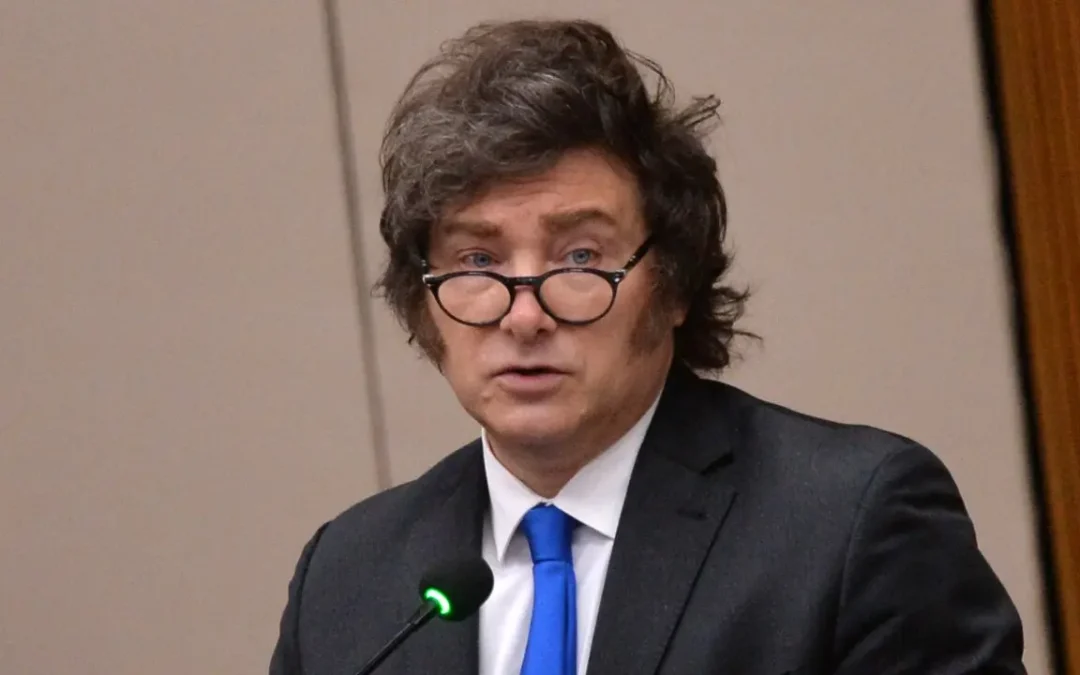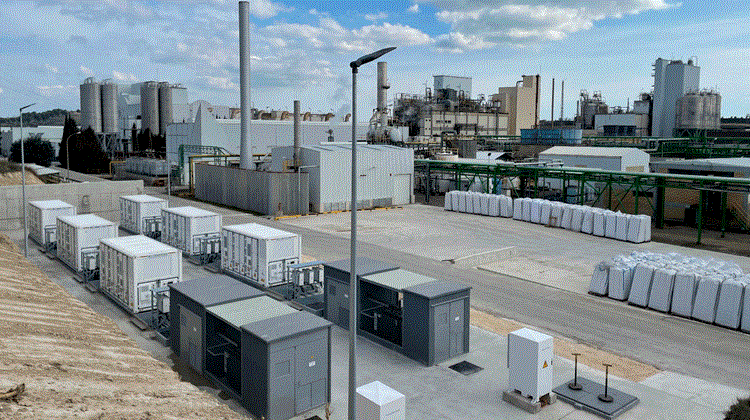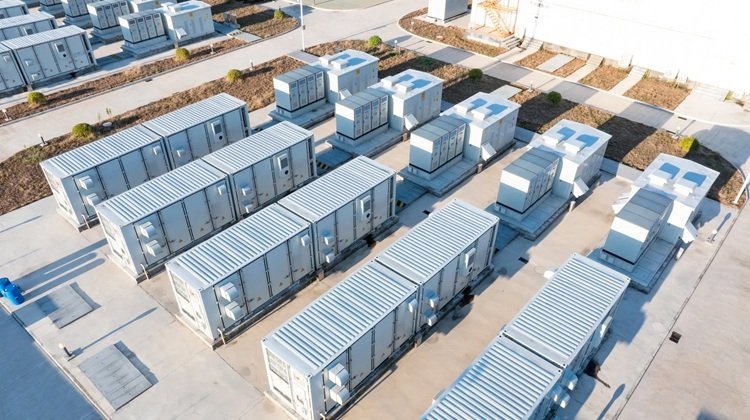










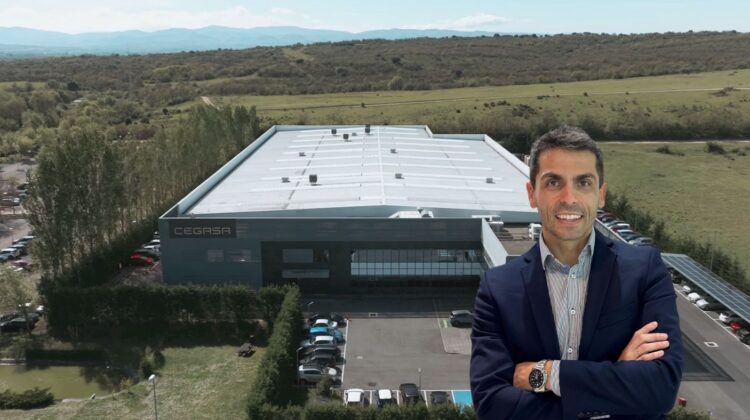
“The IDAE call financed with FEDER funds has clearly acted as a lever,” says Carlos Infante, Commercial Director of CEGASA Energía, referring to the direct impact these incentives have had on Spain’s energy storage industrial ecosystem. The Spanish company responded to this momentum with a strong announcement: the launch of a new BESS systems factory, scheduled to be operational in February 2026.
The plant will be located in Vitoria-Gasteiz, within an industrial environment the company knows well and where it already has a consolidated presence. This project marks the beginning of an expansion phase that will raise total production capacity to 1,800 MWh per year by 2027. The first line, with a capacity of 50 MWh per month, is currently under development and will represent 600 MWh per year from the start of operations. Subsequently, two additional production lines will be added, completing CEGASA’s growth plan in the European market.
“We wanted to reinforce our European leadership by expanding our capacity. Total investments are part of a multi-year strategic plan, focused on increasing capacity and industrialising new BESS formats,” Infante told Energía Estratégica. The objective is clear: to position the company as one of Europe’s leading energy storage manufacturers in a context of strong competition with China.
The systems produced at the new plant will be primarily aimed at the utility-scale segment, using high-performance LFP (lithium iron phosphate) cell technology. They will be designed for integration into renewable energy plants and grid support infrastructure, with robust, modular and scalable configurations. At the same time, the company will continue serving the commercial and industrial (C&I) segments and hybrid projects, thereby strengthening its cross-sector response capabilities.
This industrial progress is backed by a key partnership with EVE Energy, the world’s second-largest manufacturer of LFP cells for BESS. Infante explained that the agreement provides three crucial advantages: “supply capacity and reliability, proven technology, and faster time to market, without compromising CEGASA Energía’s technological and operational control”.
Regulatory outlook, market opportunities and technological innovation
The Spanish context has proven to be particularly favourable for this type of investment. Infante stressed that the IDAE call “has generated real and urgent demand for BESS systems and has accelerated investment decisions”. A concrete example is the Burriana project, which will be the first system supplied under this incentive scheme and is scheduled for delivery in May 2026.
Spain’s energy storage market is currently in an expansion phase and awaiting the launch of the new capacity market, which would enable further investments.
“Growth is clearly on the rise. In Spain, renewable deployment and the need for grid flexibility and reliability are driving increasing demand for utility-scale storage,” analysed the CEGASA executive.
At a European level, he observes a similar trend, where regulatory pressure and 2030 decarbonisation targets are promoting storage as strategic infrastructure. In this sense, according to Infante, the main short- and medium-term drivers of the Spanish market will be the massive integration of renewables, enabling regulation and incentives aimed at strengthening the European industrial base.
Regarding the regulatory framework, he believes that although there have been positive developments, such as the regulation of standalone storage, challenges remain. “There is still a lack of greater confidence from consumers,” he pointed out.
In his view, it would be key to “strengthen initiatives that reward the local value chain, such as those promoted by IDAE, and to increase financial incentives through CAPEX support schemes”, in order to drive long-term investment in physical assets.
CEGASA’s long-term vision is to consolidate itself as a European industrial hub, with proprietary technological capabilities and a resilient supply chain. To achieve this, the company is developing innovations through its R&D lines, with a particular focus on the utility-scale segment and the maritime sector.
For large-scale plants, the company is working on system scalability and intelligent control, with an emphasis on integrating an Energy Control System (ECS) featuring advanced functionalities for industrial applications. In addition, it is expanding its safety certifications, as the requirements of the utility segment differ significantly from those of the C&I segment.
At the same time, CEGASA is entering the maritime market, adapting its products to the technical and regulatory demands of the marine environment. According to Infante, this has required incorporating specific certifications that “make it possible to open up new applications with the levels of safety and reliability required for this type of operation”.
“Innovation does not remain a concept: we incorporate it directly into the product and deploy it in concrete projects,” Infante emphasised. Each advance is designed to have a real impact, not only in technological terms but also commercially and regulatorily.
CEGASA Energía aims to position itself as a key player in building Europe’s energy autonomy, with an ambitious industrial strategy that combines installed capacity, technological innovation and commitment to the development of the local market.
“Our objective is to consolidate ourselves as one of Europe’s leading manufacturers of BESS systems,” Infante concluded, outlining the direction of a strategy that brings together public policy, technology and a long-term vision.