









The Federal Government of Mexico, through the Ministry of Environment and Natural Resources (SEMARNAT), has released its Updated Nationally Determined Contribution 3.0 (NDC 3.0), outlining the country’s commitments under the Paris Agreement. The roadmap establishes two major clean-power milestones: 38.5% clean electricity generation by 2030 and 43.3% by 2035.
To meet these targets, the government projects that nearly 70% of all new installed capacity between 2025 and 2030 will come from renewable energy, primarily solar PV and wind power, supported by utility-scale energy storage and modern grid infrastructure.
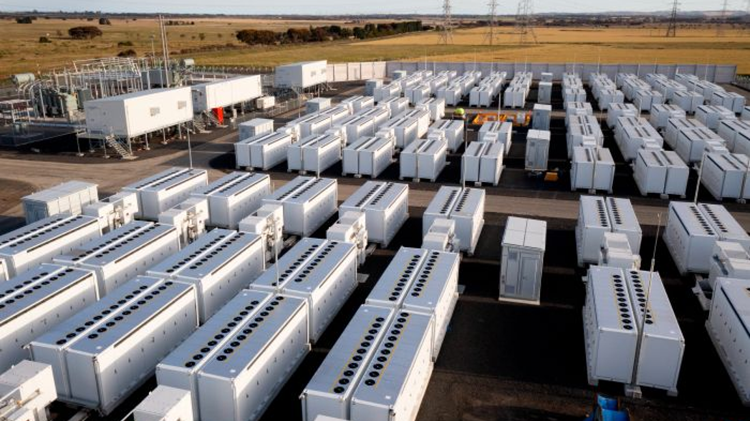
The strategy is anchored in the National Power System Strengthening and Expansion Plan 2025–2030, which calls for 21 new power-generation projects, including seven wind farms, nine solar PV plants, and five combined-cycle gas facilities. The plan also prioritizes technological advancements in battery systems and energy-storage solutions.
Public investment for this expansion totals USD 8.18 billion, aimed at constructing 275 new transmission lines and 524 upgrades and expansions of electric substations. These measures are expected to reinforce Mexico’s National Transmission Grid and enhance service quality and coverage, ultimately benefiting an estimated 50 million people across multiple regions.
Beyond increasing the share of clean electricity, NDC 3.0 stresses the phased retirement of low-efficiency, high-emission thermal power plants as part of a nationwide just energy transition. The government plans to implement a strategic replacement program that includes contaminated-site remediation, safe handling of hazardous materials, and protections for workers and surrounding communities.
One of the key measures identified in the document is the gradual substitution of heavy fuel oil (combustóleo) with natural gas, aiming to reduce the carbon intensity of Mexico’s power system while maintaining reliability.
In parallel, the roadmap promotes distributed generation (DG) as a tool for decentralizing electricity production and strengthening community-level resilience. The NDC sets explicit DG expansion targets for residential and commercial low-voltage users. This effort is reinforced by a solar-panel deployment program for households in northern Mexico, designed to broaden access to clean, affordable energy.
As part of the Plan México, the government will assemble an initial portfolio of 100 projects focused on grid expansion and modernization. Complementary national electrification programs aim to provide access to more than 500,000 additional households by 2030, pushing Mexico toward 99% nationwide electricity coverage.
Industrial decarbonization is also a central pillar of NDC 3.0. Proposed measures include the electrification of industrial processes, greater use of biogenic sources and alternative fuels, and an emphasis on energy efficiency and circular-economy practices throughout the manufacturing sector.
The government highlights that these transitions will be pursued in close alignment with the private sector, encouraging technological modernization and fostering innovative solutions to reduce environmental impact.
The plan also warns that Mexico is warming at a rate of 3.2°C per century, faster than the global average—an indicator that underscores the urgency of accelerating climate action. In this context, the energy transition is framed not only as a climate-mitigation strategy but also as a driver of economic development, social equity and energy sovereignty.
Overall, NDC 3.0 presents a comprehensive climate-policy framework that positions Mexico toward a renewable, inclusive and technologically advanced energy model. With clear targets, defined investments and a long-term vision, the country reaffirms its commitment to advancing the energy transition.